Plycraft Mr. Chair Value Guide
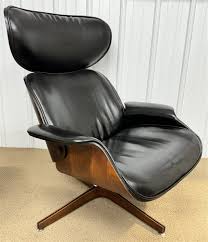
- Period
- 1960-1969
- Origin
- United States
- Materials
- Molded Plywood, Walnut Veneer, Leather, Chrome-plated Steel
- Category
- Plycraft
Designed by George Mulhauser in the late 1950s, the Plycraft Mr. Chair stands as a bold, single-shell competitor to the Eames Lounge Chair. Its distinctive wing-back profile and streamlined molded plywood construction made it a staple of 1960s American executive and residential decor.
What Is Plycraft Mr. Chair Worth?
The typical price range for Plycraft Mr. Chair is $1,800 - $1,980 based on recent sales. However, values can vary depending on the item's condition, rarity, and other factors such as:
- Condition of the walnut veneer, specifically looking for cracks in the molded plywood or sun-fading to the finish.
- Originality of the upholstery, with authentic black or cognac leather in good supple condition commanding the highest prices.
- Presence of the matching ottoman, which significantly increases the market value toward the $1,980 range.
- Mechanical integrity of the swivel and tilt tension mechanism housed within the chrome-plated steel base.
How to Identify Plycraft Mr. Chair?
- Look for the signature single-shell molded plywood construction where the seat and back are joined as one continuous unit.
- Verify the presence of the original Plycraft manufacturer label often located on the underside of the chair shell.
- Inspect the base for the specific four-star or five-star chrome-plated steel design characteristic of Mulhauser's 1960s production.
- Identify the unique 'bentwood' armrests that curve seamlessly from the main walnut veneer body.
History of Plycraft Mr. Chair
Designed in the late 1950s by George Mulhauser, this chair was created for Plycraft as a direct competitor to the Herman Miller Eames Lounge Chair. Unlike the Eames version, the Mr. Chair features a single-shell molded plywood construction for the seat and back, creating a more streamlined, wing-back profile. It became an iconic piece of 1960s office and home decor.
Shop Similar
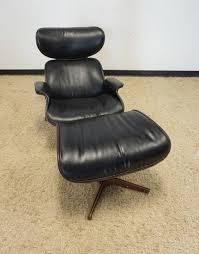
PLYCRAFT MCM LOUNGE CHAIR AND OTTOMAN in United St…
lot-art.com · $200
Mr Chair by George Mulhauser PLYCRAFT Lounge Chair…
ebay.com · $699
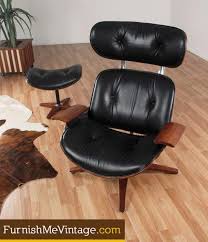
Mid Century Wood Accented Eames Style Lounge Chair
furnishmevintage.com · $806
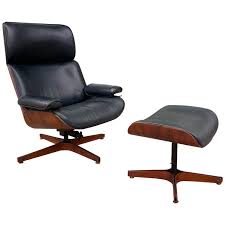
Midcentury George Mulhauser for Plycraft "Mr. Chai…
1stdibs.com · $2520
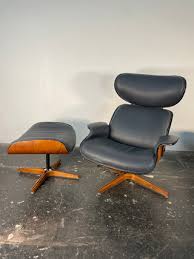
Mr. Chair and Ottoman by George Mulhauser for Plyc…
hobbsmodern.com · $2995
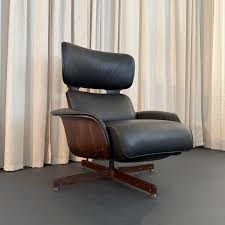
1960s Midcentury Modern Leather Recliner Lounge Ch…
chairish.com · $7400
Have an antique to identify?
Get an instant AI appraisal with values, history, and market insights.
Download for iPhone