Polaroid Print Copier Model 240 Value Guide
- Period
- 1958-1965
- Origin
- United States
- Materials
- plastic, metal, rubber, glass
- Category
- Polaroid copier
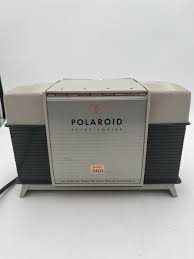
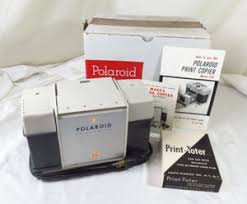
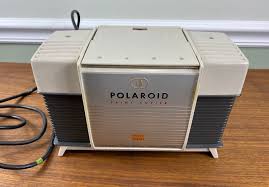
The Polaroid Print Copier Model 240 is a specialized mid-century device designed to produce duplicate prints from Type 40 series Land camera negatives without a darkroom. It represents a pivotal era in amateur photography, offering a unique contact-printing mechanism that integrated exposure and development in one portable unit.
What Is Polaroid Print Copier Model 240 Worth?
The typical price range for Polaroid Print Copier Model 240 is $30 - $75 based on recent sales. However, values can vary depending on the item's condition, rarity, and other factors such as:
- Mechanical condition of the development rollers and the integrity of the rubber components.
- Presence of the original box, instruction manual, and any included accessory cables.
- Cosmetic state of the plastic housing, specifically looking for cracks or heat warping.
- Completeness of the internal glass elements and the functionality of the exposure latch.
How to Identify Polaroid Print Copier Model 240?
- Look for the 'Model 240' designation clearly marked on the plastic and metal housing.
- Verify the presence of the integrated exposure timer and the rubber-sealed contact plate.
- Confirm the unit is sized specifically for the large-format Type 40 series roll film prints.
- Check for the original Polaroid Corporation branding and 'Made in U.S.A.' stamps on the base or interior.
History of Polaroid Print Copier Model 240
Polaroid introduced print copiers in the 1950s and 1960s to allow users of Land cameras to produce additional prints from original negatives without a darkroom. The Model 240 was marketed for Type 40 series film and companion Land cameras; it used a contact-printing process with an integrated exposure and development mechanism. These devices became popular with amateur photographers before instant-pack film formats and commercial photo labs became widespread.
Shop Similar
VINTAGE POLAROID PRINT COPIER MODEL 240 1958 | eBa…
ebay.com · $25
RARE Vintage POLAROID Print Copier Model 2401 - Po…
ebay.com · $35
Vintage Polaroid Print Copier #240 in Original Box…
ebay.com.sg
VINTAGE POLAROID PRINT COPIER ➖ MODEL 230 (FOR POL…
ebay.com.my
Vintage Copier | eBay
ebay.com
Vintage 1958 Polaroid Photo Copier Model 2401 for …
etsy.com
Have an antique to identify?
Get an instant AI appraisal with values, history, and market insights.
Download for iPhone