Porcelain Invalid Feeder Value Guide
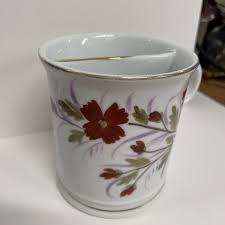
- Period
- 1890-1910
- Origin
- Russia
- Materials
- Porcelain, gold gilding
- Category
- Porcelain
This antique Russian porcelain invalid feeder, dating from 1890-1910, represents a compassionate era of historical healthcare where utility met fine artistry. Featuring delicate floral designs and hand-applied gold gilding, these specialized vessels were essential for administering nourishment to bedridden patients while reflecting the aesthetic trends of the late 19th century.
What Is Porcelain Invalid Feeder Worth?
The typical price range for Porcelain Invalid Feeder is $75 - $90 based on recent sales. However, values can vary depending on the item's condition, rarity, and other factors such as:
- The preservation of the gold gilding and the vibrancy of the hand-painted floral decorations.
- The presence of a clear maker's mark identifying the specific Russian porcelain factory.
- Overall physical condition, specifically the absence of chips or cracks on the delicate spout and handle.
- The rarity of the specific Russian origin compared to more common British or German examples.
How to Identify Porcelain Invalid Feeder?
- Look for the characteristic covered top with a small filling hole and a long, tapered spout designed for spill-proof feeding.
- Examine the base for Russian porcelain manufacturer marks consistent with the 1890-1910 period.
- Verify the presence of authentic gold gilding on the handle and rim, which should show age-appropriate wear.
- Check for the specific floral pattern style typical of late Tsarist-era Russian decorative arts.
History of Porcelain Invalid Feeder
Invalid feeders, also known as sick feeders or pap boats, were specifically designed during the 18th to early 20th centuries to help administer liquids or semi-liquid food to bedridden or convalescing individuals. Their distinct spouted design prevented spills and allowed for easier feeding, making them a common and compassionate tool in historical healthcare. The decorative elements often seen on these practical items reflect the artistic trends of their era.
Shop Similar
MOUSTACHE MUSTACHE TEA CUP VINTAGE ANTIQUE SHAVING…
ebay.com · $10
Dining | Vintage Japan Japanese Burnt Orange Flowe…
poshmark.com · $12
VHTF c1930 LIMOGES, FRANCE - PAUL PASTAUD- LARGE C…
ebay.com
Vintage Coffee Mugs, Ceramic Daisy Coffee Mug, Vin…
etsy.com
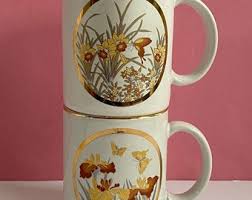
Vtg Art of Chokin Japanese Gold Trim Butterfly and…
etsy.com
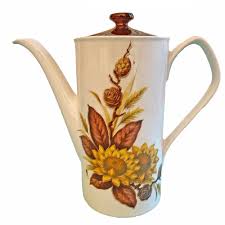
Johnson Brothers Retro Seven Cup Coffee Pot With S…
etsy.com
Related Items

Have an antique to identify?
Get an instant AI appraisal with values, history, and market insights.
Download for iPhone