Porcelain Pull Chain Light Socket Value Guide
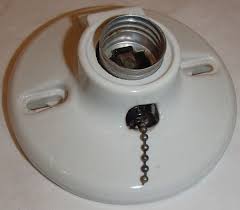
- Period
- 1920-1950
- Origin
- United States
- Materials
- Porcelain, metal
- Category
- Porcelain light socket
These American-made porcelain pull chain sockets are iconic examples of mid-century utility lighting, prized for their superior heat resistance and insulating properties. Originally standard in basements and closets, they are now highly sought after for authentic industrial restoration and vintage aesthetic upgrades.
What Is Porcelain Pull Chain Light Socket Worth?
The typical price range for Porcelain Pull Chain Light Socket is $15 - $15 based on recent sales. However, values can vary depending on the item's condition, rarity, and other factors such as:
- Condition of the porcelain glaze, specifically looking for the absence of chips, hairline cracks, or paint overspray.
- Functionality of the internal pull chain switch mechanism and the presence of the original metal bell end.
- Completeness of the unit, including original mounting hardware and the integrity of the internal electrical contacts.
- Historical provenance or specific manufacturer branding that appeals to period-accurate restoration enthusiasts.
How to Identify Porcelain Pull Chain Light Socket?
- Check for a heavy, glazed white ceramic body with a distinct cold-to-the-touch feel compared to modern plastic.
- Look for 'Made in USA' or manufacturer marks like Bryant, Leviton, or Hubbell stamped into the porcelain or metal base.
- Identify the internal brass or copper screw shell and the classic metal beaded pull chain mechanism.
- Examine the mounting holes for signs of age-appropriate wear and original flat-head screw compatibility.
History of Porcelain Pull Chain Light Socket
Porcelain light sockets were widely used from the late 19th century through the mid-20th century due to porcelain's excellent insulating properties and heat resistance. They were a standard feature in utility areas, basements, and closets before the widespread adoption of more decorative or integrated lighting solutions. Their robust construction meant many have survived to this day, becoming popular for restoration projects or for those seeking a vintage aesthetic.
Shop Similar
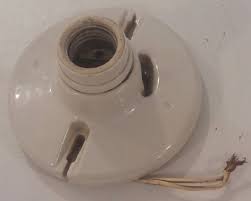
Leviton pull chain porcelain lamp bulb holder
southwestmichigansales.com · $3
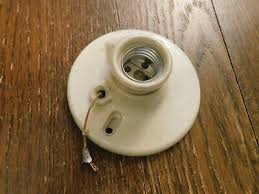
Vtg Paulding Porcelain Pull Chain Light Fixture Re…
ebay.com · $10
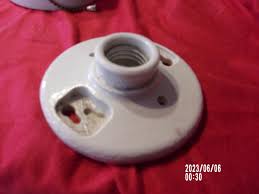
Vintage Ceiling Light Fixture Flush Mount Leviton …
ebay.com · $10
Vintage GE White Ceramic Ceiling/Wall Mount Light …
ebay.com · $15
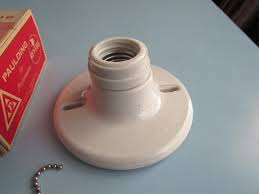
Vintage Paulding No. 1629 DT Porcelain Pull Lampho…
etsy.com · $17
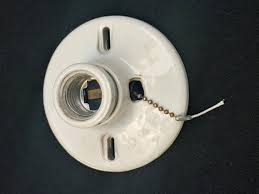
Vintage Eagle Porcelain Pull Chain Light Socket US…
etsy.com · $30
Related Items

Have an antique to identify?
Get an instant AI appraisal with values, history, and market insights.
Download for iPhone