Porcelain Toggle Switch Value Guide
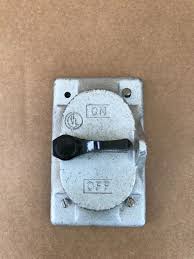
- Period
- 1900-1940
- Origin
- United States
- Materials
- Porcelain, brass, bakelite
- Category
- Porcelain switch
The porcelain toggle switch is a hallmark of early 20th-century American electrical engineering, prized for its fire-resistant properties and superior insulation. These durable fixtures were essential in transitioning homes from gas to electric lighting, making them highly sought after by architectural restoration enthusiasts.
What Is Porcelain Toggle Switch Worth?
The typical price range for Porcelain Toggle Switch is $50 - $90 based on recent sales. However, values can vary depending on the item's condition, rarity, and other factors such as:
- The physical condition of the porcelain, specifically the absence of hairline cracks or chips.
- Functionality of the internal brass toggle mechanism and electrical contact points.
- Rarity of the specific design, such as unique industrial shapes or decorative mounting plates.
- Completeness of the unit, including original brass screws or matching bakelite components.
How to Identify Porcelain Toggle Switch?
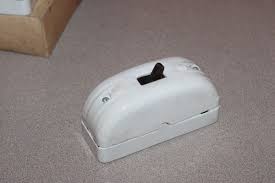
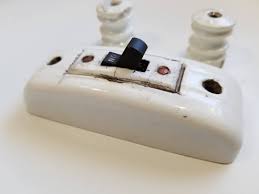
- Check for a heavy, glazed white or cream porcelain body with a smooth, non-porous finish.
- Look for internal components made of brass or early bakelite, which are characteristic of the 1900-1940 era.
- Inspect the toggle mechanism for a firm, mechanical 'click' sound typical of vintage US manufacturing.
- Verify the presence of original mounting holes and potential manufacturer stamps on the underside of the porcelain base.
History of Porcelain Toggle Switch
Porcelain toggle switches were a common electrical fixture in homes and industrial settings from the late 19th century through the mid-20th century. Their porcelain bodies provided excellent insulation, crucial for safety in early electrical systems. These switches were valued for their durability and fire-resistant properties, serving as a reliable means to control lighting and other electrical devices before modern plastics became widespread. Many are still found in functioning condition in older buildings today.
Shop Similar
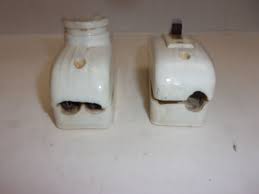
Vintage Porcelain Electrical Fixtures For Parts Or…
ebay.com · $10
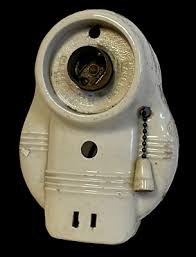
Antique Art Deco Paulding White Porcelain Sconce B…
ebay.com · $85
😏 APPLETON on/off SWITCH | eBay
ebay.com · $89
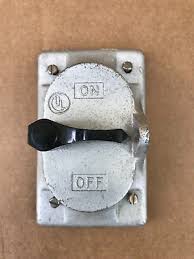
😏 APPLETON on/off SWITCH | eBay
ebay.com · $98
RARE NOS 2 Vintage Porcelain Toggle Switches Knox …
ebay.com
Vintage ceramic light switch resin replica – The B…
thebuildcave.com
Have an antique to identify?
Get an instant AI appraisal with values, history, and market insights.
Download for iPhone