Qianlong Nian Zhi Mark Value Guide
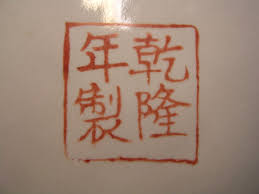
- Period
- 1950-1975
- Origin
- China
- Materials
- Porcelain, iron-red enamel
- Category
- Qianlong mark
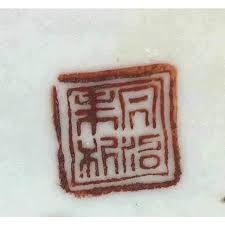
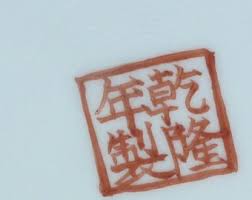
The Qianlong Nian Zhi mark is a distinctive four-character apocryphal seal found on mid-20th century Chinese export porcelain. While the name references the 18th-century Emperor, these iron-red stamped marks represent a specific era of Jingdezhen production from 1950 to 1975, making them significant artifacts of early People's Republic of China trade.
What Is Qianlong Nian Zhi Mark Worth?
The typical price range for Qianlong Nian Zhi Mark is $140 - $155 based on recent sales. However, values can vary depending on the item's condition, rarity, and other factors such as:
- Overall condition of the porcelain piece, including the presence of chips, cracks, or fading in the iron-red stamp.
- The complexity and quality of the decorative motifs accompanying the mark on the vessel.
- Current market demand for early People's Republic of China (PRC) export wares, typically valued between $140 and $155.
- Clarity of the seal mark, as crisp stamps are more desirable to collectors of Republic-era styles.
How to Identify Qianlong Nian Zhi Mark?
- Look for a four-character seal script layout stamped in a uniform iron-red enamel on the porcelain base.
- Identify the 'stamped' appearance which lacks the fluid brushstrokes of hand-painted 18th-century imperial marks.
- Observe the porcelain body for mid-20th century characteristics typical of Jingdezhen export factories from the 1950s-1970s.
- Verify the translation 'Made during the reign of Qianlong' while noting the modern application method.
History of Qianlong Nian Zhi Mark
While the characters 'Qianlong Nian Zhi' translate to 'Made during the reign of Qianlong' (1736-1795), this specific stamped iron-red mark became a standard export trademark during the mid-20th century. It was widely used in Jingdezhen factories from the 1950s through the 1970s to signify a traditional style rather than to deceive collectors into believing the piece was an 18th-century imperial antique. These marks are now classified by collectors as 'Republic period' or early 'People's Republic of China' export wares.
Shop Similar
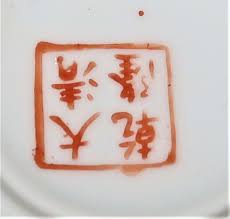
Vintage Asian Chinese Da Qing Qianlong Love Birds …
ebay.com · $17
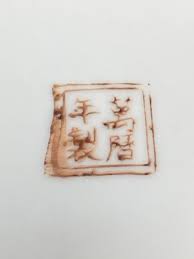
Beautiful Vintage Hand Painted Red Chinese Enamel …
etsy.com · $40
Chinese Porcelain Vase Marked Hand Painted Figures…
ebay.com · $79
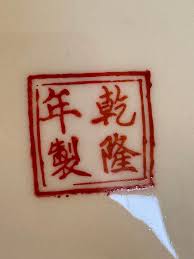
Vintage Qianlong 10” Famille Rose Plate | Chairish
chairish.com · $235
Chinese Antique Porcelain Hat Stand Vase | Chairis…
chairish.com · $688
Vintager Chinese 100 Boys Hu Vase - Etsy
etsy.com · $850
Related Items
Have an antique to identify?
Get an instant AI appraisal with values, history, and market insights.
Download for iPhone