RAF C-type Flying Helmet Value Guide
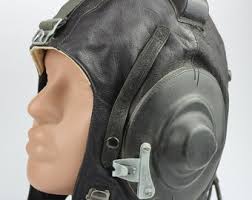
- Period
- 1941-1945
- Origin
- United Kingdom
- Materials
- Leather, sheepskin, metal snaps, metal buckles
- Category
- Raf helmet
The RAF C-type flying helmet is a quintessential piece of WWII aviation history, introduced in 1941 to provide superior integration for oxygen masks and radio equipment. Its iconic multi-panel leather design and sheepskin lining made it the standard for Allied aircrews during the most intense periods of aerial combat.
What Is RAF C-type Flying Helmet Worth?
The typical price range for RAF C-type Flying Helmet is $350 - $450 based on recent sales. However, values can vary depending on the item's condition, rarity, and other factors such as:
- Condition of the leather, specifically looking for signs of rot, drying, or heavy cracking which significantly lowers value.
- Presence of original internal wiring looms and functional radio receivers increases the market price toward the $450 range.
- The clarity and legibility of the Air Ministry markings and size stamps inside the helmet.
- Completeness of the hardware, including all original metal snaps and the rear goggle retention straps.
How to Identify RAF C-type Flying Helmet?
- Look for the internal AM (Air Ministry) crown stamp and a specific stores reference number like 22C/877 to 22C/880.
- Examine the leather for the characteristic three-strap arrangement at the rear designed to secure the goggle straps.
- Check for the presence of rubber ear cups designed to house the Type 32 or Type 48 telecommunication receivers.
- Verify the chin strap is the correct brown leather version with a small metal friction buckle rather than later nylon variants.
History of RAF C-type Flying Helmet
The C-type flying helmet was introduced by the Royal Air Force in 1941, evolving from earlier designs to offer better protection, comfort, and integration with oxygen masks and communication systems. It became an iconic piece of equipment for Allied aircrews throughout World War II and into the early post-war period, highly valued for its robust construction and practicality in the challenging conditions of aerial combat and flight.
Shop Similar
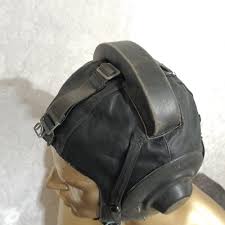
Soviet military leather fur hat USSR Air Force pil…
ebay.pl · $70
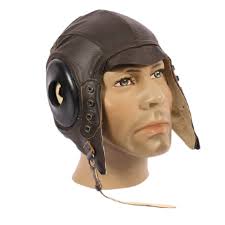
USAAF Leather Flying Helmet Type A-11 WW2 Flying H…
delware.trading · €113
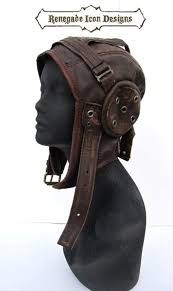
Aviator, Hat, Flight Cap, Tank Girl, Leather, Dist…
etsy.com · $198
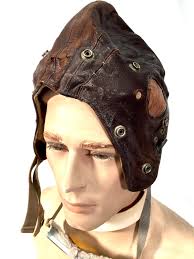
Antique 1940s Brown Leather Flying Cap & Goggles /…
etsy.com · $234
Soviet Aviator Helmet 1983, Vintage Military Helme…
etsy.com · $335
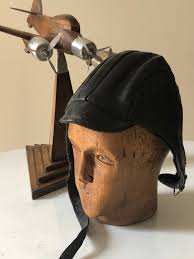
Vintage Leather Aviator Helmet | WWI Pilot Cap, Sk…
etsy.com
Have an antique to identify?
Get an instant AI appraisal with values, history, and market insights.
Download for iPhone