Red Coral Branch Necklace Value Guide
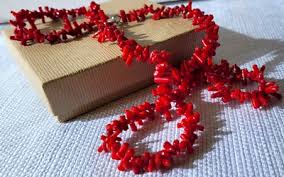
- Period
- 1950-1970
- Origin
- Italy
- Materials
- Natural red coral
- Category
- Red coral
This mid-20th century Italian necklace features multiple strands of natural, undyed red coral in its raw branch form. Highly collectible for its bohemian aesthetic, these pieces represent the 'precious coral' tradition believed to bring protection and good fortune.
What Is Red Coral Branch Necklace Worth?
The typical price range for Red Coral Branch Necklace is $300 - $400 based on recent sales. However, values can vary depending on the item's condition, rarity, and other factors such as:
- The number of strands and the overall density of the coral branches significantly impact the $300-$400 price point.
- Color saturation is vital, with deep, uniform 'oxblood' reds commanding higher prices than lighter shades.
- The quality and material of the clasp, such as gold or silver, can increase the total market value.
- Condition of the coral, specifically the lack of significant chips or modern synthetic dyes, preserves its collectible status.
How to Identify Red Coral Branch Necklace?
- Examine the surface for natural pits, striations, and growth rings visible under magnification.
- Verify the origin as Italy, specifically looking for the characteristic vibrant, deep red hue of Mediterranean coral.
- Check for color consistency; natural red coral should not show white patches when rubbed with a cotton swab dipped in acetone.
- Observe the organic, irregular shapes of the branches which indicate a naturalistic 1950s-1970s design.
History of Red Coral Branch Necklace
Coral jewelry has been cherished for millennia, with ancient Egyptians, Romans, and Victorians all valuing its beauty. Red coral, often called 'precious coral,' was particularly prized for its vibrant color, believed to offer protection and good fortune. This type of branch coral necklace, showcasing the raw, organic form of the coral, was especially popular in the mid-20th century, often associated with bohemian and naturalistic styles.
Shop Similar
Vintage Red Corn W/Leather Strap Handmade Native A…
ebay.ca · $40
Natural RED Coral Necklace LUC 925 CN Sterling 24"…
ebay.com · $46
Red Coral Natural Polished Rough Tiny Stick beads …
ebay.com · $66
Red Coral Branch MOP Hand Knotted Jewelry Set 37.5…
ebay.com · $160
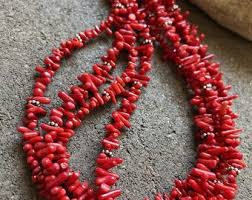
Sterling Silver Multi Strand Red Coral Bead Neckla…
etsy.com · $350
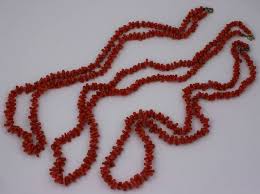
3 Strands of Antique Tumbled Branch Coral For Sale…
1stdibs.com · $1285
Related Items
Have an antique to identify?
Get an instant AI appraisal with values, history, and market insights.
Download for iPhone