Regens Squeeze Lighter Value Guide
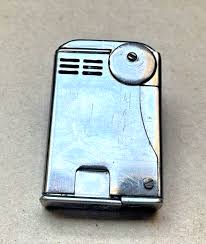
- Period
- 1940-1950
- Origin
- United States
- Materials
- Steel, Nickel plating
- Category
- Regens lighter
The Regens Squeeze Lighter is a hallmark of mid-century American engineering, prized by collectors for its unique fully automatic side-squeeze mechanism. Originally manufactured in New York, these lighters gained fame during World War II for their windproof design and a versatile removable fuel tank used for lighting pipes.
What Is Regens Squeeze Lighter Worth?
The typical price range for Regens Squeeze Lighter is $25 - $28 based on recent sales. However, values can vary depending on the item's condition, rarity, and other factors such as:
- Mechanical functionality is paramount; lighters that still produce a spark and have a smooth squeeze action command higher prices.
- The condition of the nickel plating, specifically the absence of pitting, rust, or heavy brassing, significantly impacts the $25-$28 value range.
- Presence of original period packaging or advertising inserts can increase the desirability for specialized tobacciana collectors.
- Completeness of the unit, including the original wick and the integrity of the removable tank seal.
How to Identify Regens Squeeze Lighter?
- Look for the 'Regens' brand name stamped clearly on the bottom or side of the nickel-plated steel body.
- Verify the presence of the signature removable fuel tank, which is a distinct feature of the Regens design.
- Check for the side-squeeze trigger mechanism that simultaneously opens the cap and strikes the flint.
- Confirm the 'Made in U.S.A.' hallmark typically found on authentic models from the 1940s and 1950s.
History of Regens Squeeze Lighter
The Regens Lighter Corporation was founded in New York in the late 1930s. Their flagship product was the squeeze lighter, which was marketed for its windproof capabilities and ease of use with one hand. These lighters became particularly popular during World War II and the post-war era due to their simple mechanical reliability and the removable tank feature which allowed users to light pipes or campfires easily.
Shop Similar
Vintage Working Ronson Capri Lighter Silver 5182/2…
ebay.com · $37
Vintage 1940s Imco Advertising Lighter LANSING BLO…
ebay.com · $50
LOL Vintage Liquid Lighter, Antique Petrol Lighter…
etsy.com · $72
Retro READY Steel & Red Enamel Pocket Lighter. Mad…
ebay.com · $125
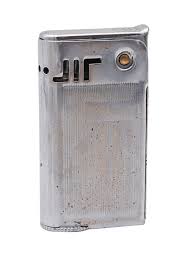
SAYONARA 107 Deco Design 1950 Pipe-Cigarette Light…
treasurefinejewelry.com · $165
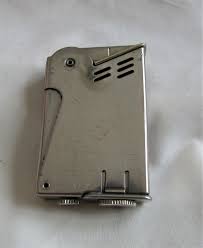
Vintage Imco Solo Lighter N.Y. - Etsy
etsy.com
Related Items
Have an antique to identify?
Get an instant AI appraisal with values, history, and market insights.
Download for iPhone