Regulator Wall Clock Value Guide
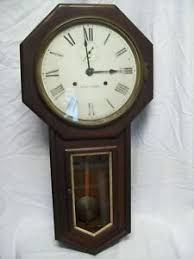
- Period
- 1900-1930
- Origin
- United States
- Materials
- wood, glass, brass, enamel or painted metal dial
- Category
- Regulator clock
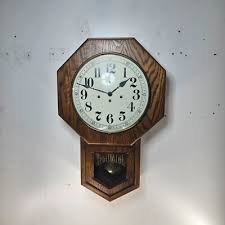
Originally developed for precision timekeeping in railroad stations and schools, these American-made regulator clocks became a staple of early 20th-century decor. Their distinctive octagonal wooden cases and visible pendulums represent a transition from high-precision industrial tools to reliable household timepieces.
What Is Regulator Wall Clock Worth?
The typical price range for Regulator Wall Clock is $150 - $350 based on recent sales. However, values can vary depending on the item's condition, rarity, and other factors such as:
- The condition and originality of the wooden case, specifically the finish and any decorative carvings.
- Operational status of the spring-driven movement and the presence of the original winding key.
- The clarity and preservation of the Roman numeral dial, as flaking paint or cracked enamel can decrease value.
- Authenticity of the glass panels, especially if they feature original gold-leaf lettering or decorative patterns.
How to Identify Regulator Wall Clock?
- Look for the characteristic octagonal-top wooden case design common in schoolhouse-style regulators.
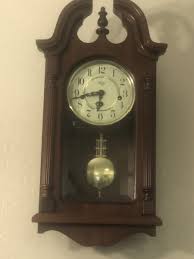
- Check for a Roman numeral dial made of enamel or painted metal, often featuring a lower glass door to view the pendulum.
- Verify the movement type, as these 1900-1930 models typically feature spring-driven mechanisms rather than earlier weight-driven systems.
- Examine the pendulum for brass construction, which was standard for American manufacturers during this era.
History of Regulator Wall Clock
Regulator wall clocks were developed in the 19th century as precision pendulum timekeepers used in railroad stations, schools, and offices. Their weight-driven or spring-driven movements and long pendulums provided accurate timekeeping for synchronizing public schedules. By the early 20th century manufacturers produced more affordable spring-driven versions for homes, often housed in octagonal or schoolhouse-style wooden cases. These clocks remain popular among collectors for their classic design and visible pendulum.
Shop Similar
Wind Up Regulator Clock | eBay
ebay.com
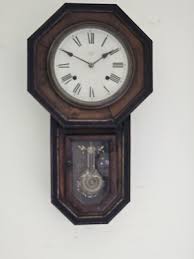
Antique Working 1920's SEIKOSHA Japan Octagon Drop…
ebay.com
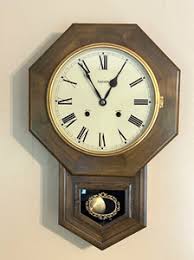
Regulator Wall Clock Pendulum | eBay
ebay.com
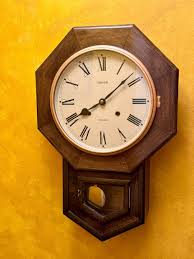
Buy Vintage Ansonia Octagon 31 Day Regulator Wall …
etsy.com
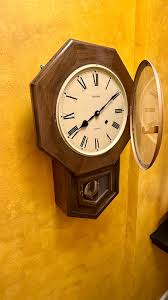
Vintage Ansonia Octagon 31 Day Regulator Wall Cloc…
etsy.com
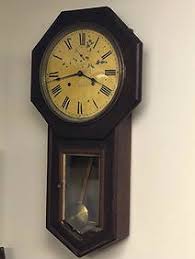
Original Seth Thomas Panama Regulator Clock
liveauctioneers.com
Related Items

Have an antique to identify?
Get an instant AI appraisal with values, history, and market insights.
Download for iPhone