Roman Pedestal Stand Value Guide
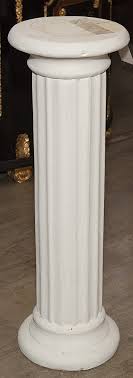
- Period
- 1980-2000
- Origin
- United States
- Materials
- Composite material, plaster
- Category
- Pedestal stands
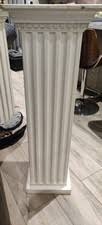
This fluted white pedestal stand is a late 20th-century American interpretation of classical Roman architecture, designed specifically to elevate fine sculptures or vases. Its enduring appeal lies in the Neoclassical aesthetic, which brings the structural elegance of ancient columns into a modern interior design context.
What Is Roman Pedestal Stand Worth?
The typical price range for Roman Pedestal Stand is $80 - $120 based on recent sales. However, values can vary depending on the item's condition, rarity, and other factors such as:
- Overall condition of the plaster finish, as chips or cracks in the composite material can significantly decrease market value.
- The height and diameter of the stand, with larger, more substantial columns commanding prices at the higher end of the $80-$120 range.
- Structural integrity of the top surface, ensuring it remains level and stable for displaying heavy artifacts.
- The presence of original white finish versus later repaints or distressing which may affect its appeal to Neoclassical collectors.
How to Identify Roman Pedestal Stand?
- Check for a fluted vertical shaft consistent with Roman Doric or Ionic architectural orders.
- Verify the material is a heavy composite or plaster, typical of decorative stands manufactured in the United States between 1980 and 2000.
- Look for a flat, square or circular top platform designed to support significant weight from decorative objects.
- Inspect the base for a stepped or tiered design that mimics the pedestal foundations of ancient monuments.
History of Roman Pedestal Stand
Pedestals and columns have been utilized since ancient times, particularly in Greek and Roman architecture, to elevate statues and important artifacts. While originally structural, smaller decorative versions became popular in homes during the Neoclassical period and later, reflecting a taste for classical antiquity. This piece is a modern interpretation, commonly used for interior decoration.
Shop Similar
Lot - White composition columnar form pedestal
linkauctiongalleries.com · $5
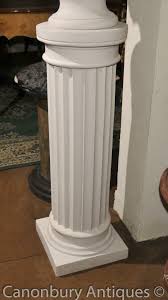
Classic Italian Marble Doric Column Pedestal Stand…
ebay.com
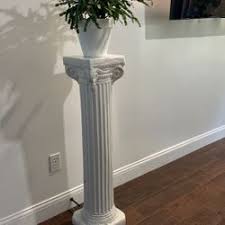
41” Tall Roman Column with Base Roman Pillar, scul…
offerup.com
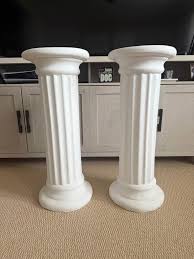
Has anyone used these collapsible columns from tem…
facebook.com
White Wooden Wall Hangings for sale | eBay UK
ebay.co.uk
Hobby Lobby Columns Wedding | TikTok
tiktok.com
Related Items


Have an antique to identify?
Get an instant AI appraisal with values, history, and market insights.
Download for iPhone