Royal Danube Teapot Value Guide
- Period
- 1950-1970
- Origin
- Hungary
- Materials
- Porcelain, gold gilt
- Category
- Royal danube
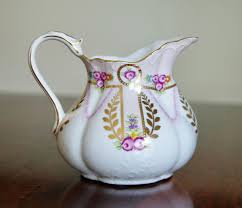
The Royal Danube Teapot is a highly collectible mid-century porcelain piece from Hungary, produced between 1950 and 1970. It is prized for its opulent aesthetic that emulates the luxury of earlier Meissen and Vienna styles, featuring intricate pink floral designs and heavy gold gilding.
What Is Royal Danube Teapot Worth?
The typical price range for Royal Danube Teapot is $75 - $120 based on recent sales. However, values can vary depending on the item's condition, rarity, and other factors such as:
- The presence and preservation of the extensive gold gilt, as rubbing or loss significantly reduces value.
- The condition of the delicate porcelain, specifically checking for chips on the spout or hairline cracks.
- Completeness of the set, ensuring the original matching lid is present and undamaged.
- Market demand for Hungarian porcelain pieces that emulate the late 19th-century aesthetic.
How to Identify Royal Danube Teapot?
- Look for the 'Royal Danube' branding on the base, typically associated with mid-20th century Hungarian production.
- Examine the gold gilt for a high-quality, reflective finish consistent with the brand's luxury marketing.
- Verify the porcelain body for a fine, translucent quality characteristic of Austro-Hungarian inspired craftsmanship.
- Identify the specific pink floral motif which should be detailed and consistent across the body and lid.
History of Royal Danube Teapot
The Royal Danube brand is associated with porcelain production, often inspired by traditional European styles, particularly those from the Austro-Hungarian region. While 'Royal Danube' itself may be a marketing name rather than a specific historical factory, pieces under this branding often reflect the opulent and detailed aesthetics popular in the late 19th and early 20th centuries, drawing influence from established porcelain houses like Meissen, Vienna, and Limoges. This particular design, with its intricate floral motifs and extensive gilding, suggests a desire to emulate the luxury and craftsmanship of these earlier periods, making it a decorative and functional item for tea service.
Shop Similar
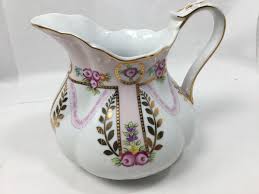
Vintage Royal Danube Pitcher Floral & Gold Detail …
ebay.com · $19
Vintage Royal Danube Pitcher with Silk Lavender Re…
ebay.com · $69
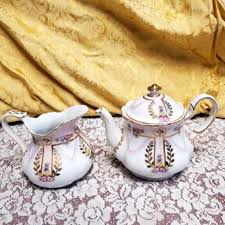
OOAK MINT VTG DRUZHKOVKA USSR OPALESCENT | Mercari
mercari.com · $400
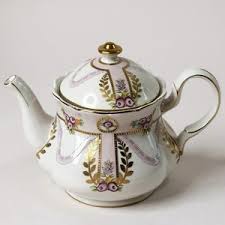
Royal Danube Teapot | eBay
ebay.com
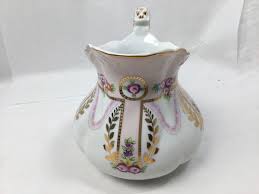
Vintage Royal Danube Pitcher Floral & Gold Detail …
ebay.com.au
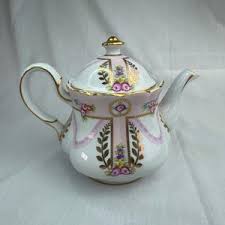
Royal Danube Teapot - Etsy
etsy.com
Related Items
Have an antique to identify?
Get an instant AI appraisal with values, history, and market insights.
Download for iPhone