Shellbark Hickory Nuts Value Guide
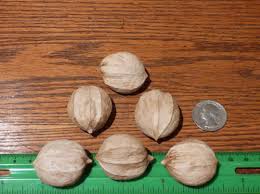
- Period
- 1970-1979
- Origin
- United States
- Materials
- Plant matter, Shell
- Category
- Nuts
This collection of six unshelled Shellbark Hickory nuts, also known as King Nut hickory, represents a unique botanical specimen harvested in Kentucky during the 1970s. These nuts are highly collectible due to their impressive size and their historical significance as a vital food source for Native Americans and early American settlers.
What Is Shellbark Hickory Nuts Worth?
The typical price range for Shellbark Hickory Nuts is $10 - $11 based on recent sales. However, values can vary depending on the item's condition, rarity, and other factors such as:
- The physical integrity of the thick outer shells and lack of cracks or decay significantly impacts the $10-$11 valuation.
- Provenance linking the nuts to the specific 1970s harvest period in Kentucky adds historical collector interest.
- The completeness of the set, featuring a grouping of six uniform specimens, enhances display value.
- The preservation state of the organic plant matter and the clarity of the shell's natural ridges.
How to Identify Shellbark Hickory Nuts?
- Look for the characteristic large size and exceptionally thick husks typical of the Carya laciniosa species.
- Verify the distinct five to six ridges on the shell surface which distinguish Shellbark from other hickory varieties.
- Check for the natural, aged patina consistent with plant matter harvested in the 1970-1979 era.
- Confirm the origin as the eastern United States, specifically specimens sourced from Kentucky forests.
History of Shellbark Hickory Nuts
Commonly referred to as King Nut hickory, these are native to the eastern United States and were a significant food source for Native Americans and early settlers. The wood is exceptionally hard and was historically used for tool handles and wagon wheels. These specific specimens were harvested in Kentucky during the 1970s.
Shop Similar
Grainger Shagbark Hickory Seedling, Prime Genetics…
etsy.com · $23
20 NC Hickory Nuts ~ Floaters ~ Crafting | eBay
ebay.com
Shagbark Hickory Tree Seeds (CARYA OVATA) - Etsy
etsy.com
Are the bottom nuts a different species?
facebook.com
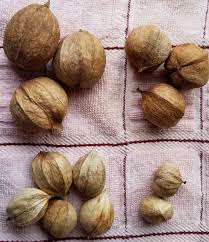
Small wide hickory nut ID - General Fruit Growing …
growingfruit.org
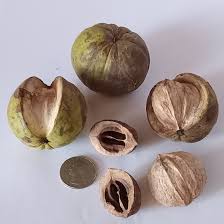
Carya laciniosa - Wikipedia
en.wikipedia.org
Related Items
Have an antique to identify?
Get an instant AI appraisal with values, history, and market insights.
Download for iPhone