Silver Plate Pickle Castor Value Guide
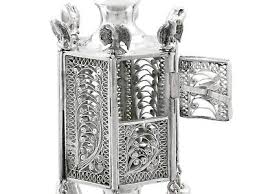
- Period
- 1880-1900
- Origin
- United States
- Materials
- Silver plate, cut glass
- Category
- Silver plate castor
The Silver Plate Pickle Castor is a quintessential Victorian-era dining accessory from the United States, designed to elegantly present pickles which were a high-fashion delicacy between 1880 and 1900. These elaborate sets represent the pinnacle of late 19th-century table service, combining industrial silver-plating techniques with intricate glass artistry.
What Is Silver Plate Pickle Castor Worth?
The typical price range for Silver Plate Pickle Castor is $250 - $400 based on recent sales. However, values can vary depending on the item's condition, rarity, and other factors such as:
- The presence of the original matching silver-plated tongs significantly increases the market value.
- Condition of the cut glass, specifically the absence of chips or cracks in the delicate facets, is critical for the $250-$400 price range.
- The complexity and preservation of the silver plating on the frame, including the lack of 'bleeding' where the base metal shows through.
- Rarity of the glass pattern and the intricacy of the frame's decorative metalwork.
How to Identify Silver Plate Pickle Castor?
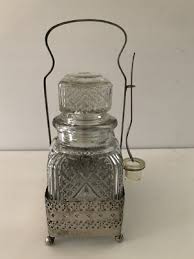
- Check for a highly decorative silver-plated frame often featuring floral or geometric motifs characteristic of the 1880-1900 period.
- Verify the presence of a matching cut-glass decanter insert designed specifically to fit the frame's dimensions.
- Look for original silver-plated tongs that frequently hang from a dedicated hook on the side of the castor frame.
- Examine the base for American manufacturer hallmarks common to the late Victorian era.
History of Silver Plate Pickle Castor
Pickle castors were a popular Victorian-era dining accessory, designed to elegantly present pickles, which were highly fashionable at the time. These elaborate sets often featured intricately decorated silver plate frames and cut-glass inserts, reflecting the period's love for decorative and functional table items. Their popularity waned after the turn of the 20th century as dining trends evolved.
Shop Similar
Antique George V Sterling Silver Spice Tower | eBa…
ebay.com · $2925
20th Century Italian Silver Gothic revival Table C…
1stdibs.com · $6975
Buy Pure Silver Venkateshwara Swami, Trupati Balaj…
etsy.com
Aarti Stand Design - Etsy
etsy.com
Sold at Auction: VINTAGE ORTHODOX GREEK SILVER TRI…
invaluable.com
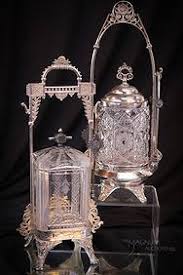
1892 Meriden Silver Plate Square Pickle Castor
liveauctioneers.com
Related Items
Have an antique to identify?
Get an instant AI appraisal with values, history, and market insights.
Download for iPhone