Sitzendorf Porcelain Mirror Value Guide
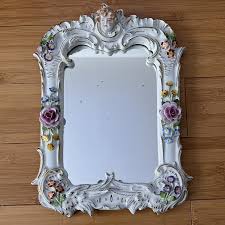
- Period
- 1884-1902
- Origin
- Germany
- Materials
- hard-paste porcelain, glass, gilt enamel
- Category
- Sitzendorf porcelain
This ornate Sitzendorf porcelain table mirror represents the pinnacle of late 19th-century German craftsmanship from the Thuringia region. Renowned for its 'Dresden style' aesthetic, this piece features the elaborate applied flowers and rococo scrollwork that made the factory a staple of Victorian luxury.
What Is Sitzendorf Porcelain Mirror Worth?
The typical price range for Sitzendorf Porcelain Mirror is $350 - $385 based on recent sales. However, values can vary depending on the item's condition, rarity, and other factors such as:
- Condition of the fragile applied porcelain petals and leaves, as chips significantly impact the $350-$385 valuation.
- Clarity and silvering of the original glass mirror, which adds historical value if preserved without heavy oxidation.
- The vibrancy and preservation of the hand-painted floral pigments and the integrity of the gilt enamel highlights.
- Authenticity of the factory markings which distinguish Sitzendorf from contemporary Thuringian competitors like Meissen or Volkstedt.
How to Identify Sitzendorf Porcelain Mirror?
- Look for the underglaze blue mark featuring a crown over a 'crossed lines' or 'S' symbol used during the 1884-1902 period.
- Examine the delicate applied porcelain flowers for the characteristic high-relief 'Dresden style' modeling unique to Sitzendorf.
- Verify the presence of hand-painted floral motifs and fine gilt enamel accents consistent with late 19th-century hard-paste porcelain production.
- Check for the specific Rococo-inspired C-scrolls and asymmetrical shell patterns integrated into the porcelain frame.
History of Sitzendorf Porcelain Mirror
The Sitzendorf porcelain factory was established in Thuringia, Germany, in 1760. It became famous in the mid-19th century for its 'Dresden style' decorative wares, characterized by elaborate applied flowers and delicate figurines. These mirrors were staple luxury items for Victorian boudoirs, representing the height of German ceramic craftsmanship.
Shop Similar
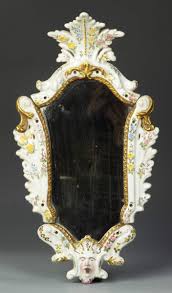
Delft Wall Mirror | Cottone Auctions
cottoneauctions.com · $200
Antique VON SCHIERHOLZ German Porcelain Figural ..…
ebay.com · $350
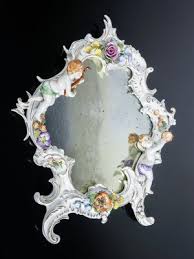
Porcelain Mirror in the style of G. Cappè for Capo…
pamono.eu · €618
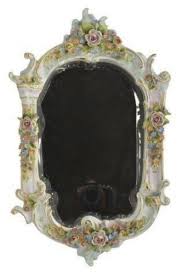
Mirror, Porcelain Framed, German Dresden Style, Wi…
oldeuropeantiques.com · $715
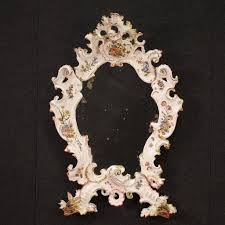
Great painted ceramic mirror furniture bassano fra…
ebay.com · $5600
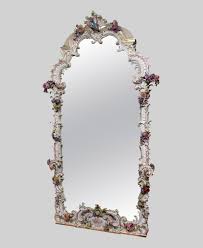
A Unique and Monumental Late 19th Century German M…
charlescheriffgalleries.com · $257000
Have an antique to identify?
Get an instant AI appraisal with values, history, and market insights.
Download for iPhone