Space Rock Value & Price Guide
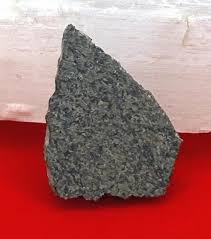
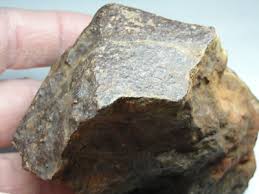
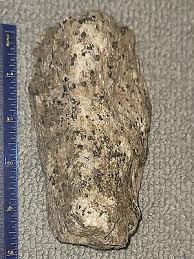
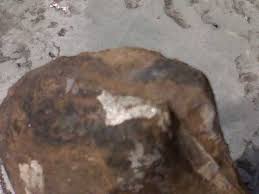
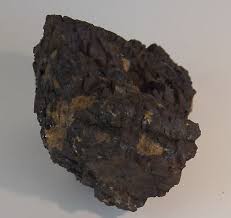
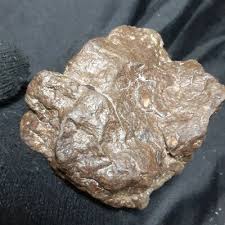
Space rock collectibles, primarily meteorites, offer enthusiasts a tangible connection to the cosmos and the origins of our solar system. These extraterrestrial specimens range from common chondrites to rare lunar and Martian fragments, making them highly sought-after by scientists and private collectors alike.
Price Range: $250 - $370 based on recent sales
History of Space Rock
The study and collection of space rocks transitioned from ancient veneration to modern science during the late 18th century. For millennia, meteorites were often treated as sacred objects or omens, but it wasn't until Ernst Chladni published his findings in 1794 that the scientific community began to accept that rocks could actually fall from space. This realization birthed the field of meteoritics and sparked a global interest in recovering these celestial messengers. Throughout the 20th century, major falls like the 1947 Sikhote-Alin event in Russia provided massive amounts of material for study and trade. Today, the discovery of 'dense collection areas' in cold and hot deserts, such as Antarctica and the Sahara, has exponentially increased the variety of specimens available to the public, including rare achondrites like Ureilites and Diogenites that were once nearly impossible to acquire.
Value Factors for Space Rock
The typical price range for Space Rock is $250 - $370 based on recent sales. However, values can vary depending on the item's condition, rarity, and other factors such as:
- Rarity of type: Rare classifications like Pallasites with olivine crystals or planetary meteorites from Mars and the Moon command much higher prices than common stony chondrites.
- Weight and Size: Meteorites are typically priced by the gram, so the total mass is a primary driver of the final market cost.
- Aesthetic Appeal: Features like orientation (a shield shape formed during flight), unique sculpting, or the presence of Widmanstätten patterns in etched iron meteorites add significant premiums.
- Provenance and Documentation: Specimens with a recorded fall history, such as the Sikhote-Alin iron, or those from famous historical collections often hold better value over time.
Tips for Buying Space Rock
- Always verify the classification of the specimen, such as NWA (Northwest Africa) designations, to ensure its origin and composition are documented.
- Look for a visible fusion crust, the thin dark rind formed during atmospheric entry, which is a primary indicator of a genuine meteorite.
- Purchase from reputable dealers who provide a Certificate of Authenticity and are members of the International Meteorite Collectors Association (IMCA).
- Consider the 'regmaglypts' or thumbprint-like indentations on iron meteorites, as these natural aerodynamic features significantly enhance the aesthetic and market value.
Items in This Collection
Have an antique to identify?
Get an instant AI appraisal with values, history, and market insights.
Download for iPhone