Staffordshire Pearlware Figure Value Guide
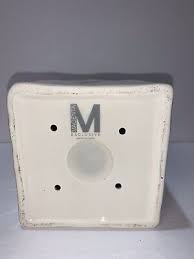
- Period
- 1800-1830
- Origin
- England
- Materials
- Pearlware ceramic
- Category
- Staffordshire figurine
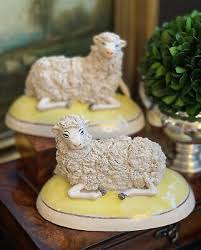
This early 19th-century Staffordshire pearlware figure represents the height of Georgian-era folk art, offering a more accessible alternative to fine porcelain of the period. These figures are highly collectible for their vibrant hand-painted details and their depiction of diverse subjects ranging from mythological beings to political icons.
What Is Staffordshire Pearlware Figure Worth?
The typical price range for Staffordshire Pearlware Figure is $985 - $985 based on recent sales. However, values can vary depending on the item's condition, rarity, and other factors such as:
- Subject rarity significantly impacts value, with specific historical or mythological figures commanding higher prices than generic pastoral scenes.
- The condition of the enamel paint and the presence of original 'cold-painted' details can greatly influence the $985 valuation.
- Structural integrity is vital, as early figures are prone to 'firing cracks' or professional restoration on delicate limbs and extremities.
- The complexity of the mold and the quality of the modeling, reflecting the craftsmanship of the specific Staffordshire pottery.
How to Identify Staffordshire Pearlware Figure?
- Look for the characteristic 'pearlware' glaze which exhibits a subtle bluish tint, particularly visible where the glaze pools in crevices.
- Examine the base for a small vent hole, which was necessary to prevent the ceramic from exploding during the firing process.
- Check for hand-painted enamel colors that may show slight wear or 'flaking' consistent with early 19th-century production techniques.
- Verify the weight; authentic pearlware is typically lighter than modern reproductions or later Victorian ironstone versions.
History of Staffordshire Pearlware Figure
Staffordshire figures, particularly pearlware and creamware, were incredibly popular in England during the late 18th and early 19th centuries. Produced by numerous potteries in the Staffordshire region, these figures depicted a wide array of subjects, from pastoral scenes and literary characters to political figures and mythological beings. They were often brightly painted and served as decorative items for the home, making them accessible to a broader audience than more expensive porcelain. The 'pearlware' glaze, developed around the 1770s, gave these pieces a slightly bluish tint, differentiating them from earlier creamware and adding to their appeal.
Shop Similar
Vintage Enesco Porcelain Trinket Box With Lid Made…
ebay.com · $15
Taiwanese Bonsai Pot by XING RONG YI – 1 3/4″ – Wi…
wigertsbonsai.com · $120
RARE Rae Dunn M Magenta Studios Exclusive Nest Art…
ebay.com · $125
1920s 1930s Ceramic Pottery Art Deco Pair of Femal…
etsy.com · $127
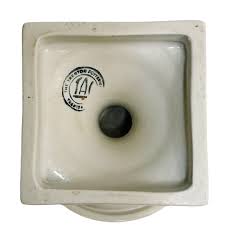
Pair of 1930s Neoclassical Cachepot Urns – House o…
houseofandaloo.com · $175
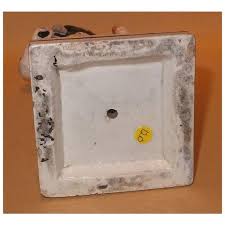
Antique Early 19th Century English Georgian Staffo…
chairish.com · $985
Related Items
Have an antique to identify?
Get an instant AI appraisal with values, history, and market insights.
Download for iPhone