Storage Furniture Value & Price Guide

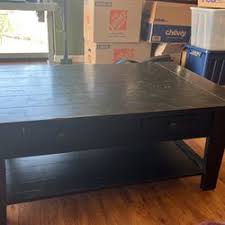
Storage furniture collectibles blend functional utility with historical craftsmanship, ranging from ornate 19th-century armoires to sleek mid-century modern credenzas. These pieces serve as both essential organizational tools and significant aesthetic statements within a curated interior.
Price Range: $250 - $350 based on recent sales
History of Storage Furniture
The evolution of storage furniture reflects the changing needs of the domestic household, moving from the massive, stationary pantry cupboards of the early 1800s to the versatile, modular designs of the 20th century. During the industrial boom of the 1900s, specialized units like apothecary cabinets and filing systems became popular, transitioning from professional environments into the home as decorative curios. By the mid-1960s, the focus shifted toward low-profile walnut credenzas and bamboo cabinets, mirroring the rise of minimalist architecture and the need for multifunctional living spaces. Today, collectors value these pieces not just for their storage capacity, but as historical markers of design movements ranging from Victorian opulence to Mid-Century Modernism.
Value Factors for Storage Furniture
The typical price range for Storage Furniture is $250 - $350 based on recent sales. However, values can vary depending on the item's condition, rarity, and other factors such as:
- Rarity and specialization of the piece, such as multi-drawer apothecary chests compared to standard bookshelves.
- The type of wood used, with solid walnut, cedar, and mahogany commanding higher prices than pine or composite materials.
- Originality of the finish and hardware, as refinishing can often decrease the value of 19th-century antiques.
- Provenance and brand recognition, particularly for mid-century designers or established manufacturers like Lane.
Tips for Buying Storage Furniture
- Inspect the joinery, such as dovetail joints in drawers, to distinguish mass-produced modern pieces from high-quality vintage craftsmanship.
- Verify the functionality of original hardware and locking mechanisms, especially on apothecary cabinets and cedar hope chests.
- Check for authentic manufacturer stamps or labels, such as the Lane Altavista mark, which can significantly validate the piece's era and origin.
- Assess the interior condition for odors or pests, particularly in older wooden chests and wardrobes meant for textile storage.
Items in This Collection
- Vintage Bookshelf
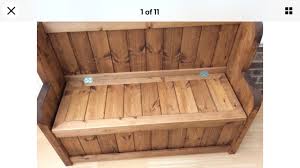
- Entryway Storage Bench
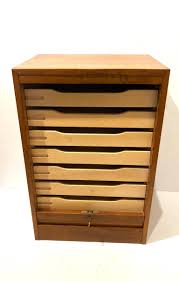
- Wooden Filing Cabinet
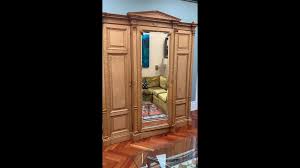
- Armoire Wardrobe
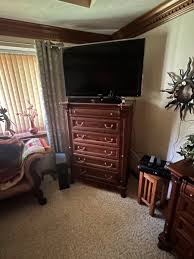
- Wooden Chest of Drawers
- Coffee Table with Drawers
- Vintage Apothecary Cabinet
- Cedar Hope Chest
- Lane Altavista Cedar Chest
- Wooden Storage Chest
- Walnut Credenza
- Wicker Nightstand
- Bamboo Cabinet
- Wall-Mounted Curio Cabinet
- Art Deco Bookcase
- Secretary Cabinet
- Vintage Two-Drawer Chest
- Hoosier Kitchen Cabinet
- Powell Jewelry Armoire
- Rustic Wooden Cabinet
Have an antique to identify?
Get an instant AI appraisal with values, history, and market insights.
Download for iPhone