Structo Toys Dump Truck Value Guide
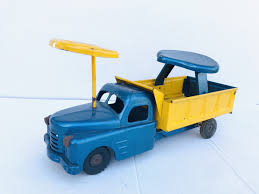
- Period
- 1948-1952
- Origin
- United States
- Materials
- Pressed steel, rubber, paint
- Category
- Structo toys
The Structo Toys Dump Truck from the 1948-1952 era is a hallmark of American post-war craftsmanship, produced by the Freeport, Illinois-based Structo Manufacturing Company. This specific model is highly collectible for its transition from pre-war utility to the rounded, aerodynamic styling that defined the late 1940s toy market.
What Is Structo Toys Dump Truck Worth?
The typical price range for Structo Toys Dump Truck is $75 - $82 based on recent sales. However, values can vary depending on the item's condition, rarity, and other factors such as:
- Condition of the original blue and yellow paint, as scratches or rust significantly impact the $75-$82 price range.
- Operational status of the mechanical lift mechanism and the integrity of the steel frame.
- Presence of original rubber tires and any remaining factory decals or logos.
- Overall structural integrity, specifically looking for dents or bends in the pressed steel body.
How to Identify Structo Toys Dump Truck?
- Verify the heavy-gauge pressed steel construction and original blue cab paired with a yellow dump bed.
- Check for the functional mechanical lift mechanism used to tilt the bed for dumping.
- Look for the authentic Structo Manufacturing Company branding or decals typically found on the cab doors or underside.
- Inspect the tires for original rubber material consistent with 1948-1952 production standards.
History of Structo Toys Dump Truck
Structo Manufacturing Company was founded in Freeport, Illinois, in 1908 and became a pioneer in the American toy industry. Originally famous for its build-it-yourself 'Erector' style kits, the company shifted focus in the 1930s to the durable, heavy-gauge pressed steel vehicles that became household staples during the post-war era. This specific model reflects the transition from pre-war utility designs to the more rounded aerodynamic shapes of the late 1940s and early 1950s.
Shop Similar
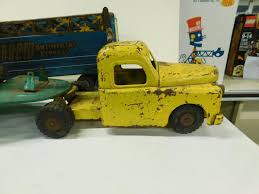
Lot - Vintage Structo Truck & Trailers, Crane Truc…
bssauction.com · $20
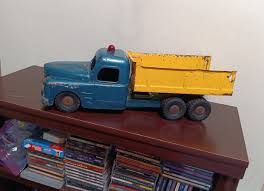
Antique Structo Dump Truck
saltboxpottery.com · $23
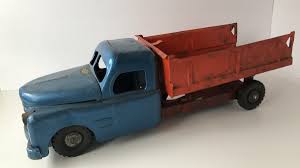
Structo Pressed Steel Blue Cab & Red Dump Truck Co…
ebay.com · $150

ORIGINAL VINTAGE 1940s STRUCTO COMMUNICATION CENTE…
ebay.com · $155
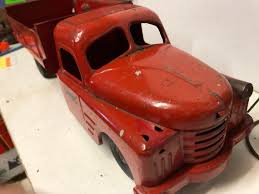
Vintage Red Structo Toy Truck, Dump Truck - Etsy
etsy.com · $169
1940s STRUCTO SIT AN RIDE DUMP TRUCK | eBay
ebay.com · $225
Related Items
Have an antique to identify?
Get an instant AI appraisal with values, history, and market insights.
Download for iPhone