Surasundari Sculpture Value Guide
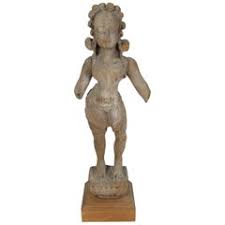
- Period
- 10th-11th century AD
- Origin
- India
- Materials
- Sandstone
- Category
- Indian sculpture
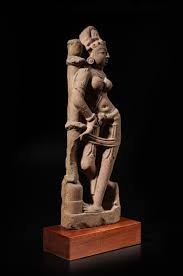
This exquisite 10th-11th century sandstone sculpture depicts a Surasundari, a celestial maiden integral to the architectural and spiritual landscape of ancient Indian temples. These figures are highly collectible for their intricate representation of divine beauty, fertility, and auspiciousness, serving as vital links to Hindu and Buddhist cosmic concepts.
What Is Surasundari Sculpture Worth?
The typical price range for Surasundari Sculpture is $10,000 - $12,000 based on recent sales. However, values can vary depending on the item's condition, rarity, and other factors such as:
- The level of preservation of fine details, particularly the facial features and intricate ornamentation.
- The overall size and weight of the sandstone block, which impacts displayability and provenance.
- The quality of the carving, specifically the fluidity of the maiden's pose and the depth of the relief.
- Historical documentation or provenance linking the piece to specific temple sites or established collections.
How to Identify Surasundari Sculpture?
- Examine the material for the characteristic grain and weathering patterns of authentic Indian sandstone from the 10th-11th century.
- Look for the specific 'tribhanga' or triple-bend pose often used to depict celestial maidens in temple architecture.
- Identify traditional jewelry, elaborate hairstyles, and symbolic attributes carved into the stone that signify divine status.
- Verify the stylistic elements consistent with North or Central Indian temple carvings from the medieval period.
History of Surasundari Sculpture
Surasundaris are celestial maidens in Hindu and Buddhist mythology, often found adorning ancient temples and monuments in India. They symbolize beauty, fertility, and auspiciousness. Sculptures like this one were integral to the architectural and spiritual landscape of temples, representing divine beauty and prosperity. Their poses and attributes often held symbolic meanings, linking them to various deities or cosmic concepts.
Shop Similar
Wood Hindu - 21 For Sale on 1stDibs
1stdibs.com
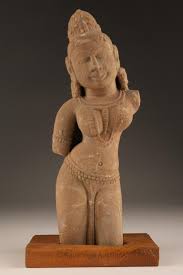
Sold at Auction: Indian Carved Sandstone Female Go…
invaluable.com
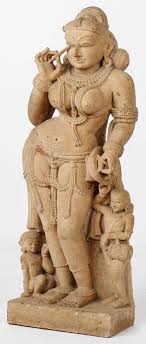
Sold at Auction: Ancient Indian Carved Sandstone F…
invaluable.com
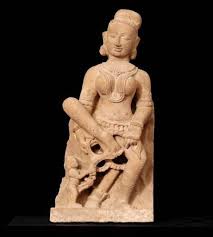
10th Century Indian Stone Statues
liveauctioneers.com
A sandstone figure of a surasandari, Central India…
sothebys.com
The Goddess Durga, depicted with four arms (Cambod…
reddit.com
Have an antique to identify?
Get an instant AI appraisal with values, history, and market insights.
Download for iPhone