Tea Cup Value & Price Guide
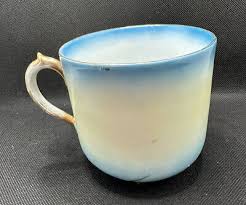
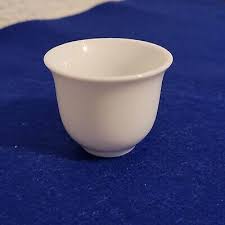
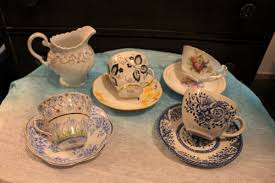
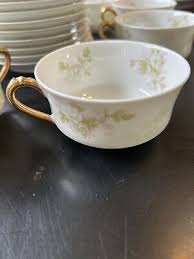
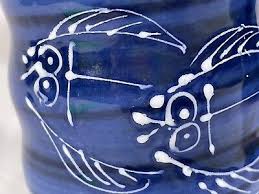
Collecting antique and vintage tea cups is a journey through the evolution of ceramic artistry and social etiquette. From delicate bone china to hand-painted porcelain, these vessels represent a blend of functional design and exquisite craftsmanship from world-renowned potteries.
Price Range: $28 - $39 based on recent sales
History of Tea Cup
The history of the tea cup began in China, where tea was originally consumed from small, handleless bowls. As tea trade expanded to Europe in the 17th and 18th centuries, Western potters adapted the design to suit local tastes, eventually adding handles to protect fingers from the high temperatures of boiling water favored in the West. By the Victorian era, the tea cup became a symbol of status and refinement, leading to the rise of prestigious manufacturers like Royal Worcester and Haviland Limoges. During the 20th century, the industry saw a shift toward bone china, a durable yet translucent material popularized by British brands like Shelley and Paragon. These pieces often featured elaborate floral patterns and Art Deco geometries, reflecting the changing artistic movements of the time. Today, the market remains diverse, ranging from traditional Japanese Yunomi and Dragonware to the festive, mass-produced charm of Spode's Christmas Tree patterns.
Value Factors for Tea Cup
The typical price range for Tea Cup is $28 - $39 based on recent sales. However, values can vary depending on the item's condition, rarity, and other factors such as:
- Manufacturer Prestige: High-end makers like Shelley, Paragon, and Royal Worcester command significantly higher prices than mass-produced mid-century brands.
- Material and Translucency: Fine bone china and hand-painted porcelain generally hold more value than standard earthenware or heavy ceramic.
- Age and Rarity: Pieces from the late 19th century, such as Flow Blue or early Limoges, are highly sought after compared to common 1950s sets.
- Condition of Decoration: The preservation of hand-painted details, lithographs, and gold gilding is critical in determining the final appraisal value.
Tips for Buying Tea Cup
- Check for the 'ping' sound by lightly tapping the rim; a clear ring indicates the porcelain is free of hidden hairline cracks.
- Verify the presence of a matching saucer, as 'orphaned' cups typically lose 50-70% of their market value.
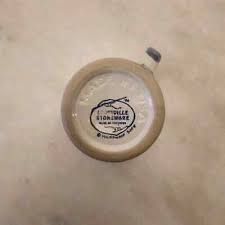
- Examine the backstamp or maker's mark under a magnifying glass to distinguish between authentic Limoges or Paragon pieces and modern reproductions.
- Inspect the gold gilt edges for excessive wear, as heavy rubbing on the handle or rim can significantly lower the grade for serious collectors.
Items in This Collection
- Porcelain Tea Cup
- Yunomi Tea Cup
- Tea Cup and Saucer Set
- Haviland Limoges Tea Cup
- Porcelain Demitasse Cup
- Royal Albert Old Country Roses Tea Cup
- Japanese Tea Cup
- Limoges Tea Cup
- Nippon Hand Painted Tea Cup
- Bone China Teacup
- Bone China Tea Cup and Saucer
- Paragon Bone China Tea Cups
- Royal Albert Tea Cup and Saucer
- Occupied Japan Tea Cup
- Lusterware Tea Cup
- Vintage English Bone China Tea Cups
- Shelley Tea Cup and Saucer
- Royal Standard Tea Cup and Saucer
- Vintage Floral Tea Cup
- Royal Vale Bone China Tea Cup and Saucer
Have an antique to identify?
Get an instant AI appraisal with values, history, and market insights.
Download for iPhone