Terra Cotta Jack-o'-Lantern Value Guide
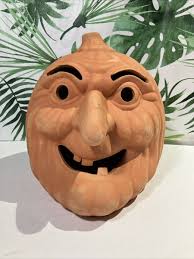
- Period
- 1970s-1990s
- Origin
- United States
- Materials
- Terra cotta
- Category
- Terra cotta
Vintage terra cotta jack-o'-lanterns from the 1970s through the 1990s are highly collectible for their rustic, anthropomorphic charm and durability compared to perishable pumpkins. These American-made pieces represent a mid-century shift toward reusable seasonal decor that maintains the traditional Celtic spirit of the holiday.
What Is Terra Cotta Jack-o'-Lantern Worth?
The typical price range for Terra Cotta Jack-o'-Lantern is $40 - $60 based on recent sales. However, values can vary depending on the item's condition, rarity, and other factors such as:
- Condition of the clay, specifically the absence of hairline fractures or chips in the delicate carved areas.
- Intricacy of the anthropomorphic expression and the overall scale of the pumpkin.
- Presence of original paint accents or unique patina developed from outdoor display.
- Market demand for 1970s-1990s Americana and seasonal folk art aesthetics.
How to Identify Terra Cotta Jack-o'-Lantern?
- Look for the characteristic unglazed, porous texture and reddish-brown hue of authentic fired clay.
- Examine the facial features for hand-carved or molded anthropomorphic details like smiling mouths and triangular eyes.
- Check the base for 'Made in USA' stamps or manufacturer marks common to late 20th-century pottery.
- Verify the interior for soot marks or wax residue, indicating use as a functional candle lantern.
History of Terra Cotta Jack-o'-Lantern
Terra cotta, an unglazed, fired clay, has been used for decorative and functional objects for thousands of years. In the context of Halloween, the tradition of carving faces into vegetables, particularly pumpkins, dates back to ancient Celtic traditions. When Irish immigrants arrived in America, they brought their traditions with them, adapting to the readily available pumpkin. The use of terra cotta for such decorations became popular as a durable and reusable alternative to perishable carved pumpkins, especially from the mid-20th century onwards, offering a charming, rustic aesthetic that endures to this day.
Shop Similar

Vintage Ceramic Light-Up Halloween Jack-O-Lantern …
ebay.com · $20
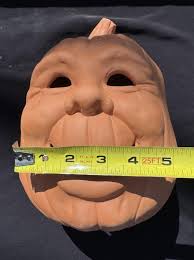
1980 Terra Cotta Clay Scioto Pottery Halloween Jac…
etsy.com · $38
VTG JACK O LANTERN Pumpkin Terra Cotta Halloween S…
ebay.com · $39
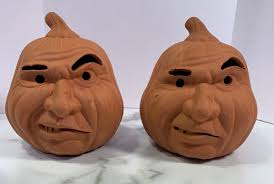
Terra Cotta Pumpkins Set of 2 Vintage funny faces …
ebay.com · $45
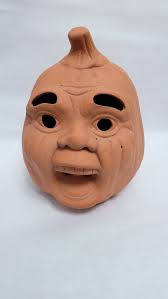
Vintage Terra Cotta Clay Jack O Lantern Pumpkin Mo…
etsy.com · $52

Primitive Terra Cotta? Ceramic Halloween Jack O La…
ebay.com · $78
Related Items

Have an antique to identify?
Get an instant AI appraisal with values, history, and market insights.
Download for iPhone