Texas Longhorn Steer Horns Value Guide
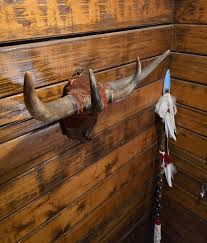
- Period
- 1950-1970
- Origin
- United States
- Materials
- Natural steer horn, wood, metal
- Category
- Taxidermy
These mid-century Texas Longhorn steer horns represent a quintessential piece of American ranching heritage, symbolizing the rugged spirit of the West. Mounted between 1950 and 1970, these specific sets are highly collectible for their impressive natural span and their historical association with classic saloon and ranch house aesthetics.
What Is Texas Longhorn Steer Horns Worth?
The typical price range for Texas Longhorn Steer Horns is $300 - $500 based on recent sales. However, values can vary depending on the item's condition, rarity, and other factors such as:
- The total tip-to-tip span, with larger widths reaching toward 7 feet significantly increasing market value.
- The condition of the horn surface, specifically the absence of cracks, peeling, or significant insect damage to the keratin.
- The quality and preservation of the original wood and metal mounting bracket from the 1950-1970 era.
- The symmetry and curvature of the horns, as well-balanced sets are more desirable for high-end interior design.
How to Identify Texas Longhorn Steer Horns?
- Verify the use of natural steer horn material rather than modern resin or fiberglass imitations common in later reproductions.
- Examine the mounting hardware for period-correct 1950-1970 metal fasteners and aged wood backing.
- Look for authentic growth rings and natural color variations ranging from cream to dark brown within the horn structure.
- Check the central wrap material, which typically features vintage leather or fabric consistent with mid-20th-century craftsmanship.
History of Texas Longhorn Steer Horns
Texas Longhorn cattle are an iconic breed, known for their distinctive long horns, which can span up to 7 feet or more. These horns are often preserved as decorative items, symbolizing the American West, ranching heritage, and a rugged, independent spirit. They became popular as wall decor in the late 19th and early 20th centuries, especially in saloons and ranch homes, and remain a cherished decorative element today.
Shop Similar
Vintage Handmade Bull Horn Art - Etsy
etsy.com · $260
Real Texas longhorns for Sale in Visalia, CA - Off…
offerup.com
OneFromTheArchives Of the longhorn horns in the mu…
facebook.com
Estate Sale - no early birds - garage & moving sal…
ventura.craigslist.org
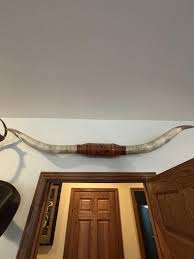
Longhorns wrapped in hand tooled leather | Hunter'…
huntersauctionservice.hibid.com
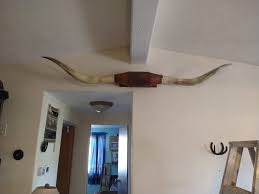
Wild Willow's Webs N Weeds
facebook.com
Related Items
Have an antique to identify?
Get an instant AI appraisal with values, history, and market insights.
Download for iPhone