Thai Khon Masks Value Guide
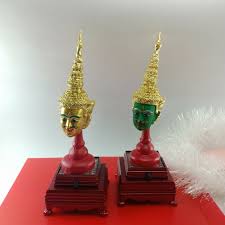
- Period
- 1970-1990
- Origin
- Thailand
- Materials
- Paper mache, lacquer, gold leaf, wood, paint
- Category
- Thai masks
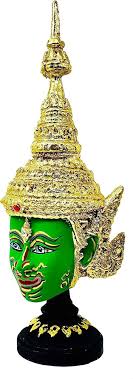
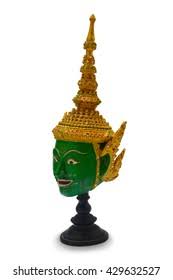
These miniature Khon masks represent the pinnacle of Thai dramatic arts, specifically depicting the hero Phra Ram and a fierce Demon from the Ramakien epic. Crafted between 1970 and 1990, these pieces serve as intricate scale replicas of the full-sized ceremonial headgear used in Ayutthaya-style dance dramas.
What Is Thai Khon Masks Worth?
The typical price range for Thai Khon Masks is $60 - $66 based on recent sales. However, values can vary depending on the item's condition, rarity, and other factors such as:
- The preservation of the delicate gold leaf application and the vibrancy of the hand-painted lacquer finish.
- The physical condition of the paper mache, specifically looking for a lack of cracks or moisture damage.
- The completeness of the pair, as having both the hero and the demon together significantly maintains the set's $60-$66 value.
- Historical accuracy in the facial features and crown structures relative to traditional 1970-1990 Thai craftsmanship.
How to Identify Thai Khon Masks?
- Look for the distinct green pigment and serene expression characteristic of Phra Ram, the epic's hero.
- Examine the surface for traditional paper mache construction layered with authentic lacquer and gold leaf accents.
- Verify the presence of hand-painted details on the demon mask, typically featuring vibrant red tones and ornate fangs.
- Check for the integrated wooden display stands which are standard for high-quality miniatures from this era.
History of Thai Khon Masks
Khon is a traditional Thai dance drama that dates back to the Ayutthaya period. These masks are miniature versions of the full-sized headgear worn by performers. The green mask represents Phra Ram, the hero of the Ramakien epic, while the red mask typically represents a demon character such as Totsakan. Historically, these masks were made through a complex process of layered paper and lacquer, often taking weeks to complete for a single piece.
Shop Similar
Thai Ramayana Mask Head Rama Phra Lak Art Handcraf…
ebay.com · $66
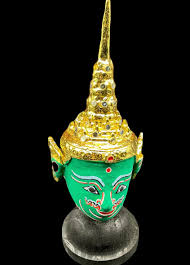
THAI KHON MASK Vintage Green and Gold Miniature Kh…
etsy.com · $68
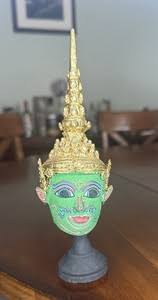
Mask Thai | eBay
ebay.com
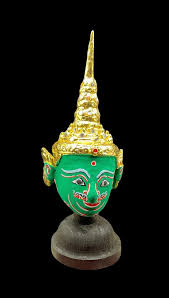
THAI KHON MASK Vintage Green and Gold Miniature Kh…
etsy.com
BUDDHO Thai Khon Mask Thai Sculptures ... - Amazon…
amazon.com
Khon Mask Deva Thailand Style Stock Photo 97668890…
shutterstock.com
Have an antique to identify?
Get an instant AI appraisal with values, history, and market insights.
Download for iPhone