Thomas Edison Diamond Disc Phonograph Value Guide
- Period
- Early 20th century, circa 1912-1929
- Origin
- United States
- Materials
- wood, felt, metal, glass
- Category
- Thomas edison
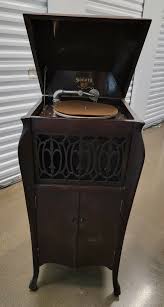
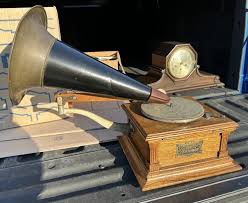
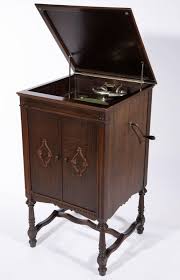
The Thomas Edison Diamond Disc Phonograph represents a pinnacle of early 20th-century audio engineering, utilizing a unique vertical-cut recording method for superior sound. These machines are highly collectible due to their robust construction and the historical significance of Edison's direct competition with lateral-cut shellac disc technology.
What Is Thomas Edison Diamond Disc Phonograph Worth?
The typical price range for Thomas Edison Diamond Disc Phonograph is $300 - $360 based on recent sales. However, values can vary depending on the item's condition, rarity, and other factors such as:
- Cabinet condition and wood type, with mahogany or oak finishes in original condition commanding higher prices.
- Mechanical functionality, specifically the state of the spring motor and the clarity of the reproducer's sound.
- Completeness of the unit, including the presence of the original felt on the turntable and the glass cover over the stylus area.
- The inclusion of original Diamond Discs, as these specific records are required for the machine to operate.
How to Identify Thomas Edison Diamond Disc Phonograph?
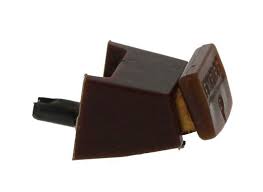
- Look for the permanent conical diamond stylus, which was designed to play thick, vertically-cut Diamond Discs without needing replacement.
- Check for the distinctive heavy, 1/4-inch thick discs made of Condensite, which are significantly heavier than standard 78s.
- Verify the presence of the internal horn and the mechanical feed system that moves the reproducer across the record.
- Examine the cabinet for the official Edison trademark decal and the specific 'Diamond Disc' branding on the hardware.
History of Thomas Edison Diamond Disc Phonograph
The Diamond Disc Phonograph was invented by Thomas Edison around 1912 as an advancement over his earlier phonograph models. It used vertically cut discs, called Diamond Discs, which were thicker and offered improved sound quality compared to the lateral-cut shellac discs common at the time. Despite initial popularity, the format eventually lost out to other disc technologies, but Edison Diamond Disc Phonographs remain prized collectibles today.
Related Items
Have an antique to identify?
Get an instant AI appraisal with values, history, and market insights.
Download for iPhone