Tibetan Gyaling Value Guide
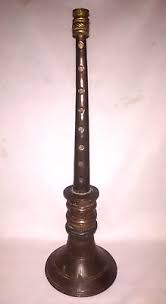
- Period
- 1880-1920
- Origin
- Tibet
- Materials
- Wood, Copper, Brass, Silver alloy
- Category
- Tibetan instrument
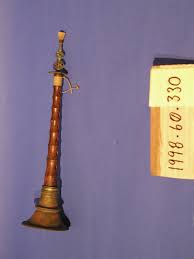
The Tibetan Gyaling is a ceremonial double-reed woodwind instrument, often referred to as an 'Indian flute,' that serves as a cornerstone of monastery puja ensembles. This specific era of production (1880-1920) is highly collectible due to the intricate hand-wrought metalwork and its historical role in continuous-melody Himalayan rituals.
What Is Tibetan Gyaling Worth?
The typical price range for Tibetan Gyaling is $350 - $385 based on recent sales. However, values can vary depending on the item's condition, rarity, and other factors such as:
- The complexity and material of the metal overlays, with silver alloy and detailed filigree commanding higher prices.
- Overall structural integrity of the wooden core, specifically the absence of cracks or historical repairs.
- Provenance linking the instrument to a specific Tibetan monastery or a documented collection from the early 20th century.
- The presence of original components, including the reed assembly and any decorative tassels or ritual attachments.
How to Identify Tibetan Gyaling?
- Look for a conical wooden body typically crafted from dark hardwoods, often featuring seven finger holes.
- Examine the metal fittings for hand-hammered copper, brass, or silver alloy, which should show age-appropriate patina rather than modern plating.
- Verify the presence of a flared metal bell and a specialized reed seat designed for the traditional double-reed setup.
- Check for authentic wear patterns around the finger holes consistent with long-term ritual use in a monastic setting.
History of Tibetan Gyaling
The gyaling, or rgya-gling, literally meaning 'Indian flute', is a ceremonial oboe that has been integral to Tibetan monastery ensembles for centuries. It is typically played in pairs to provide a continuous melody during puja ceremonies and festivals. The instrument evolved from the Persian surna and the Indian shehnai, adapted into a distinct Himalayan form characterized by its highly decorative metalwork and specialized playing technique.
Shop Similar
ANTIQUE INDIAN ETHNIC BRASS SHEHNAI MUSIC INSTRUME…
ebay.com · $193
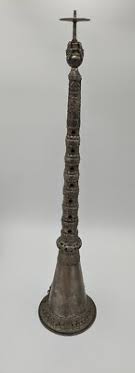
Antique Tibetan Gyaling, Silver Buddhist Ceremonia…
ebay.com · $500
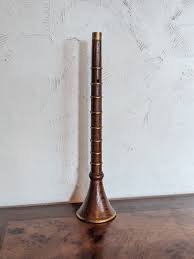
Vintage Asian or Persian Sorna Sanai Wood and Bras…
etsy.com

Italian, Zampogna Chanter, 19th century - Vintage …
vintage-instruments.com
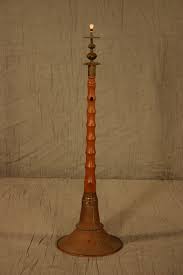
suona · Grinnell College Musical Instrument Collec…
omeka-s.grinnell.edu
shawm - Wiktionary, the free dictionary
en.wiktionary.org
Have an antique to identify?
Get an instant AI appraisal with values, history, and market insights.
Download for iPhone