Tool Collecting Value & Price Guide
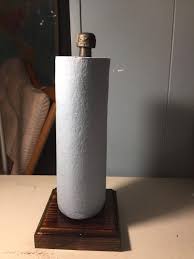
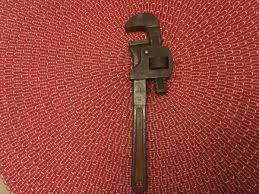
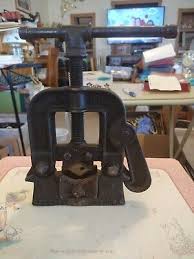
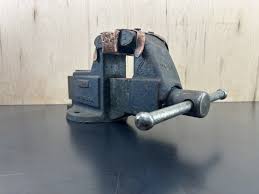
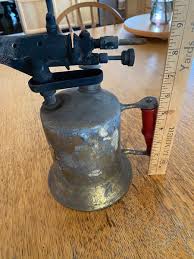
Antique and vintage tool collecting is a rewarding pursuit that blends industrial history with functional artistry. Collectors often seek out high-quality hand tools from the early to mid-20th century, valuing the durability and craftsmanship of brands like Estwing, Trimo, and Columbian.
Price Range: $35 - $50 based on recent sales
History of Tool Collecting
The history of tool collecting is rooted in the rapid industrial expansion of the late 19th and early 20th centuries. During this era, manufacturers transitioned from blacksmith-forged implements to mass-produced, precision-engineered tools made of high-carbon steel and brass. This period saw the rise of iconic American brands that defined the standards for masonry, plumbing, and woodworking tools used globally. As modern manufacturing shifted toward plastic and disposable components, the rugged reliability of mid-century tools like the 1940s Columbian vise or the classic Estwing hatchet became highly sought after by enthusiasts. Today, these items are collected not just as relics of the past, but as symbols of an era when tools were built to last multiple lifetimes.
Value Factors for Tool Collecting
The typical price range for Tool Collecting is $35 - $50 based on recent sales. However, values can vary depending on the item's condition, rarity, and other factors such as:
- Brand reputation and rarity, with names like Estwing and Columbian typically commanding higher market prices.
- The presence of original finishes, such as the vibrant advertising graphics on vintage ice picks or the nickel plating on brass mallets.
- Functional condition, as tools that still operate smoothly—like pump oilers or pipe vises—are more desirable to 'user-collectors'.
- Material composition, where solid brass or specialty hardwoods add a premium over standard cast iron or common timber.
Tips for Buying Tool Collecting
- Inspect metal components for deep pitting or structural cracks, especially on high-stress items like bench vises and pipe wrenches.
- Verify that wooden elements, such as those on vintage levels, are not warped or rotted, as this significantly impacts both utility and display value.
- Look for original manufacturer markings and patent dates which help authenticate pieces like 1940s blow torches or brass mallets.
- Prioritize tools with their original patina rather than those that have been over-cleaned or harshly sandblasted.
Items in This Collection
Have an antique to identify?
Get an instant AI appraisal with values, history, and market insights.
Download for iPhone