Turquoise Silver Pendant Value Guide
- Period
- 1940-1960
- Origin
- Uncertain, likely Southwestern United States or Mexico
- Materials
- Silver, Turquoise
- Category
- Turquoise jewelry
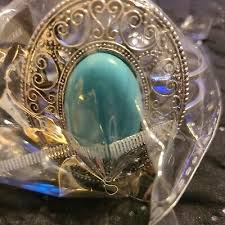
This mid-century turquoise silver pendant represents a period of exceptional craftsmanship in Southwestern and Mexican jewelry design between 1940 and 1960. Its central cabochon stone and meticulous silverwork make it a highly collectible example of the era's traditional artisan techniques.
What Is Turquoise Silver Pendant Worth?
The typical price range for Turquoise Silver Pendant is $150 - $180 based on recent sales. However, values can vary depending on the item's condition, rarity, and other factors such as:
- The intensity and uniformity of the turquoise color, with higher value placed on rare blue-green shades.
- The complexity and preservation of the surrounding silverwork, including any filigree or stamped details.
- Overall condition of the piece, specifically the absence of cracks in the stone or heavy tarnish on the silver.
- Historical provenance or maker's marks that can definitively link the piece to Navajo, Zuni, or specific Mexican artisans.
How to Identify Turquoise Silver Pendant?
- Examine the central turquoise cabochon for natural matrix patterns and the specific blue-green hue characteristic of mid-century mines.
- Inspect the intricate silverwork framing the stone for signs of hand-tooling consistent with 1940-1960 production methods.
- Check the reverse side for hallmark stamps or 'Sterling' marks common in Southwestern and Mexican silver pieces from this era.
- Verify the setting style to ensure the silver bezel is hand-fitted to the unique shape of the turquoise stone.
History of Turquoise Silver Pendant
Turquoise has been cherished for thousands of years, considered a sacred stone by many ancient civilizations. The ancient Egyptians, Persians, and Native Americans all revered turquoise, incorporating it into jewelry, ceremonial objects, and even burial masks. Its distinctive blue-green hue made it a symbol of protection, wisdom, and good fortune, often believed to bring healing powers to its wearer. Silverwork, particularly in the style seen here, has a rich tradition in many cultures, often handcrafted with meticulous detail. The combination of silver and turquoise became particularly prominent in the Southwestern United States, where Navajo and Zuni artisans perfected the craft, creating iconic pieces that remain highly sought after.
Related Items


Have an antique to identify?
Get an instant AI appraisal with values, history, and market insights.
Download for iPhone