U.S. Model 1860 Light Cavalry Saber Value Guide
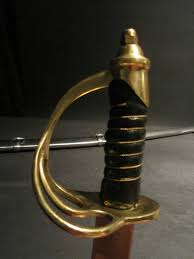
- Period
- 1862
- Origin
- United States
- Materials
- Steel, brass, leather, twisted brass wire
- Category
- Military saber
The U.S. Model 1860 Light Cavalry Saber was the quintessential edged weapon for Union troopers, replacing the cumbersome 'Old Wristbreaker' Model 1840. This 1862-dated example is highly collectible as it represents the peak of Civil War production and saw service during the conflict's most pivotal battles.
What Is U.S. Model 1860 Light Cavalry Saber Worth?
The typical price range for U.S. Model 1860 Light Cavalry Saber is $1,000 - $1,200 based on recent sales. However, values can vary depending on the item's condition, rarity, and other factors such as:
- Condition of the leather grip and the presence of the original twisted brass wire significantly impact market price.
- The presence and condition of the original steel scabbard, including the two carry rings, can add several hundred dollars in value.
- Legibility of the 1862 date and manufacturer markings on the blade ricasso.
- Overall blade condition, specifically the absence of heavy pitting, nicks, or evidence of over-polishing.
How to Identify U.S. Model 1860 Light Cavalry Saber?
- Check the ricasso for the manufacturer's name, such as Ames Mfg. Co., and the 'U.S.' inspection stamp.
- Verify the 1862 date stamp on the opposite side of the ricasso to ensure it matches the production era.
- Inspect the hilt for a three-bar brass guard and a grip wrapped in original black leather with twisted brass wire.
- Look for inspector initials stamped on the pommel cap, which confirm government acceptance for service.
History of U.S. Model 1860 Light Cavalry Saber
The Model 1860 Light Cavalry Saber was the primary sword carried by Union cavalry troopers during the American Civil War, officially replacing the heavier Model 1840. It was favored for its lighter weight and improved handling, making it highly effective in mounted combat. Production ramped up immediately following the start of the war, with countless examples manufactured by American firms like Ames and imported from European makers like those in Solingen, Germany, all marked and inspected for U.S. service. The 1862 date places this piece directly in the heart of the conflict.
Shop Similar
26" Antique Style Small 1860 Light Cavalry Saber C…
ebay.com
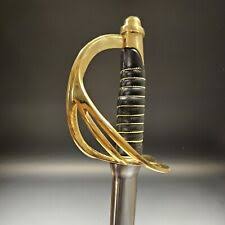
Reproduction Civil War Edged Weapons | eBay
il.ebay.com
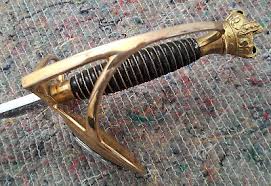
Tower of London Novocentenary 1078 – 1978 Commemor…
ebay.com
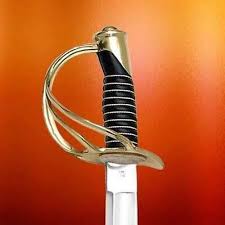
Civil War M1840 Replica Heavy Cavalry Officer's Sw…
ebay.com
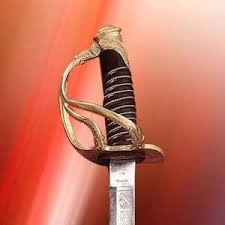
Model 1860 Union Cavalry Officer's Saber | Windlas…
windlass.com
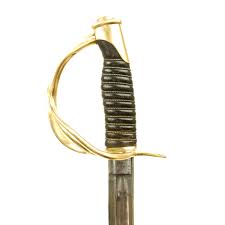
Original U.S. Civil War Model 1860 Nickel-Plated L…
ima-usa.com
Related Items
Have an antique to identify?
Get an instant AI appraisal with values, history, and market insights.
Download for iPhone