Ultralight Aircraft Propeller Value Guide
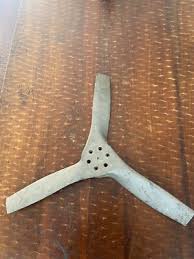
- Period
- 1980-2000
- Origin
- United States
- Materials
- Aluminum
- Category
- Aircraft parts
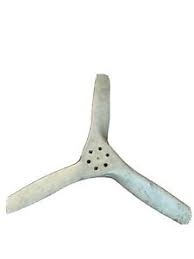
This three-bladed aluminum propeller represents the late 20th-century boom in recreational ultralight aviation and marine craft. Engineered for maximum thrust from smaller engines, these American-made components are sought after for both functional restoration and industrial-chic decor.
What Is Ultralight Aircraft Propeller Worth?
The typical price range for Ultralight Aircraft Propeller is $250 - $350 based on recent sales. However, values can vary depending on the item's condition, rarity, and other factors such as:
- Structural integrity, including the absence of stress fractures, deep gouges, or warping in the aluminum blades.
- Originality of the finish and whether the hub assembly components are intact and functional.
- Market demand for specific engine compatibility, such as those used in vintage ultralights or custom airboats.
- Historical provenance or documentation linking the propeller to a specific 1980s-2000s aircraft manufacturer.
How to Identify Ultralight Aircraft Propeller?
- Verify the three-blade configuration specifically designed for ultralight, hovercraft, or airboat engines.
- Check for the characteristic lightweight aluminum construction standard for US production between 1980 and 2000.
- Look for manufacturer stamps or serial numbers on the hub indicating its origin and pitch specifications.
- Inspect the blade profile for the optimized aerodynamic shape unique to low-speed, high-thrust applications.
History of Ultralight Aircraft Propeller
Propellers have been essential to aviation since its inception, with early designs often handcrafted from wood. As technology advanced, materials like aluminum became standard for their durability and performance. Propellers for ultralight aircraft, a category that gained popularity in the late 20th century, are typically lighter and optimized for smaller engines and lower speeds, enabling recreational flying. This particular three-bladed design maximizes thrust for its size, making it efficient for various light aerial and marine applications.
Shop Similar
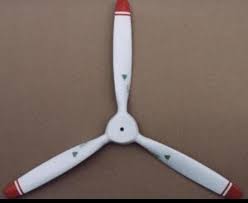
Aircraft International. Biela 3 Blade Semi-Scale E…
aircraftinternational.com · $199
Ultralight Aircraft LSA Hovercraft Airboat Gyrocop…
ebay.com · $325
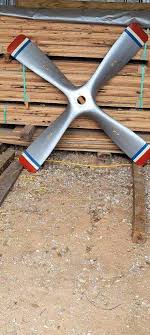
What propeller is this? : r/aviation
reddit.com
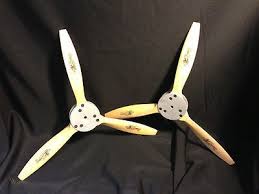
2X Zinger 20X10 3 Blade Wood Propeller Display Mod…
worthpoint.com
Ultralight Propeller for sale | eBay
ebay.ca
Aluminium Cooling Tower Fan : Amazon.in: Home & Ki…
amazon.in
Related Items
Have an antique to identify?
Get an instant AI appraisal with values, history, and market insights.
Download for iPhone