Vajra Dorje Value Guide
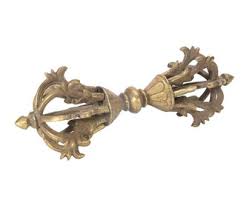
- Period
- 1900-1940
- Origin
- Tibet
- Materials
- Bronze
- Category
- Vajra
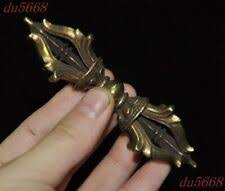
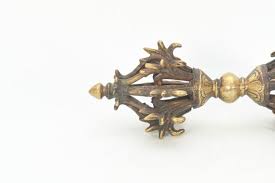
This antique Tibetan Vajra Dorje is a significant ritual implement from the early 20th century, representing the indestructible nature of the enlightened mind. Crafted from bronze, this five-pronged 'thunderbolt' is a cornerstone of Vajrayana Buddhism, prized by collectors for its spiritual symbolism and historical use by lamas.
What Is Vajra Dorje Worth?
The typical price range for Vajra Dorje is $800 - $950 based on recent sales. However, values can vary depending on the item's condition, rarity, and other factors such as:
- The quality of the bronze casting and the intricacy of the decorative lotus motifs significantly impact the $800-$950 valuation.
- The symmetry and alignment of the five prongs are critical, as bent or damaged prongs reduce the item's collectible appeal.
- Provenance linking the piece to specific Tibetan regions or monastic traditions can increase its market desirability.
- The presence of a rich, dark original patina versus evidence of over-cleaning or modern restoration.
How to Identify Vajra Dorje?
- Verify the five-pronged structure where the outer prongs curve inward to meet the central axis, symbolizing the five wisdoms.
- Examine the bronze for a natural aged patina consistent with the 1900-1940 era, avoiding modern high-shine chemical finishes.
- Look for hand-chiseled details on the lotus petals and central hub, which indicate traditional Tibetan craftsmanship rather than mass production.
- Check for signs of ritual wear on the grip, suggesting the piece was actively used in Buddhist ceremonies.
History of Vajra Dorje
The Vajra, meaning "thunderbolt" and "diamond," is central to Vajrayana Buddhism, where it represents spiritual power and firmness of spirit. Originating as a celestial weapon of the Hindu god Indra, it was adopted in Buddhism to symbolize the power to cut through illusion and the ultimate reality of emptiness. It is one of the most important ritual tools used by lamas and practitioners, often held in the right hand to represent skillful means or compassion.
Shop Similar
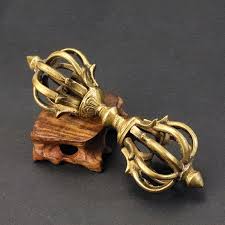
Full Brass Nine-Pronged Vajra | Rudraksha Mala Jew…
rudraksha-mala-jewelry.com · $28
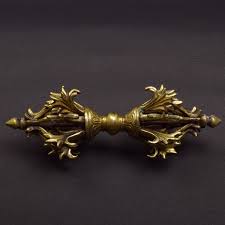
DSC_2075_600x.jpg?v=1742917530
artoftibet.com · $60
Vintage Ethnic Charm: Handmade Brass Vajra Ritual …
etsy.com · $638
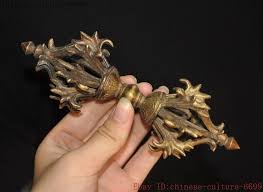
6" Tibet bronze exorcism Vajra Dorje Phurpa Exorci…
ebay.com
Bronze Amulet Tibetan Antiques for sale | eBay
ebay.com
Exquisite Handmade Bronze Crafted Vajrayana Ritual…
etsy.com
Have an antique to identify?
Get an instant AI appraisal with values, history, and market insights.
Download for iPhone