Velvet Embroidered Shawl Value Guide
- Period
- 1890-1920
- Origin
- Unknown
- Materials
- Velvet, silk or cotton embroidery thread
- Category
- Embroidered shawl
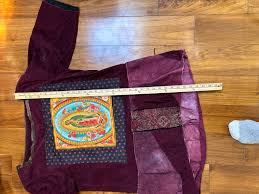
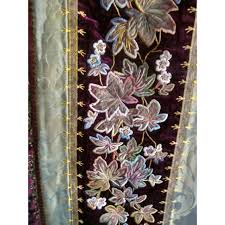
This ornate velvet shawl from the 1890-1920 era represents a pinnacle of luxury textile art, blending late 19th-century aesthetics with intricate gold embroidery. Its patchwork design and detailed floral motifs reflect a period where such garments served as significant status symbols of wealth and refined taste.
What Is Velvet Embroidered Shawl Worth?
The typical price range for Velvet Embroidered Shawl is $250 - $300 based on recent sales. However, values can vary depending on the item's condition, rarity, and other factors such as:
- The physical condition of the velvet pile, specifically looking for balding or 'crushing' that reduces value.
- The complexity and coverage of the gold embroidery and intricate floral patchwork designs.
- The preservation of the rich color palette, as fading from light exposure can lower the $250-$300 estimate.
- Historical provenance or evidence linking the piece to specific European or Middle Eastern textile movements.
How to Identify Velvet Embroidered Shawl?
- Examine the weight and pile of the velvet base for authentic late 19th to early 20th-century weaving techniques.
- Inspect the gold embroidery for hand-stitched irregularities versus modern machine-made precision.
- Look for the specific patchwork construction style common in textile arts between 1890 and 1920.
- Check the reverse side for silk or cotton thread consistency used in historical floral motif production.
History of Velvet Embroidered Shawl
Velvet has been a symbol of luxury and status for centuries, originating in Baghdad and making its way to Europe during the Renaissance. Elaborate embroidery on velvet shawls like this one often signified wealth and refined taste, with designs evolving through various artistic movements. This particular piece appears to blend late 19th to early 20th-century aesthetics with its rich color palette and detailed floral motifs, reminiscent of styles popularized in both European and Middle Eastern textile arts.
Shop Similar
Size: Large/ #32/big Secret Top/tunic/ Eco / Plus …
etsy.com · $49

Red Velvet, Peacock Kimono, Burnout Kimono, Velvet…
etsy.com · $62
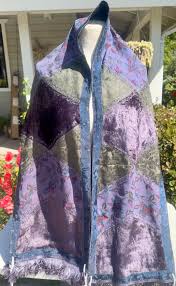
Purple and Green Velvet Patchwork Tallit - Etsy
etsy.com · $118
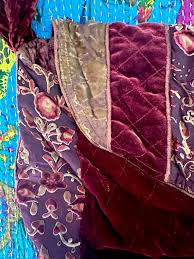
Vintage 70s Burgundy Velvet Satchel: Floral Burnou…
etsy.com · $298
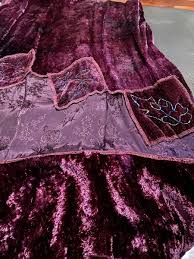
Vintage Y2K “Vintage Boutique For Country Wear” Bo…
ebay.com
Large Late 19th Century Silk Embroidered Tableclot…
chairish.com
Related Items

Have an antique to identify?
Get an instant AI appraisal with values, history, and market insights.
Download for iPhone