Vintage Balloon Mold Value Guide
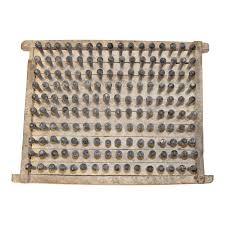
- Period
- 1930-1960
- Origin
- United States
- Materials
- Wood, ceramic
- Category
- Balloon mold
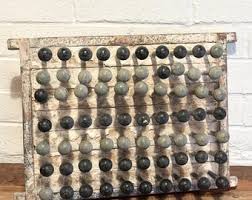
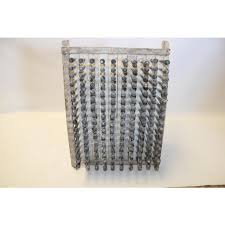
Vintage balloon molds are fascinating artifacts of mid-century American industrial manufacturing, used to create latex balloons through a manual dipping process. These collectible racks feature rows of ceramic formers mounted on sturdy wooden frames, representing a transition from hand-crafted factory tools to modern sculptural decor.
What Is Vintage Balloon Mold Worth?
The typical price range for Vintage Balloon Mold is $180 - $250 based on recent sales. However, values can vary depending on the item's condition, rarity, and other factors such as:
- The number of intact ceramic molds on the rack significantly impacts the total market value.
- The condition and patina of the original wooden frame, which should show age without structural rot.
- Rarity of the mold shapes, as unique or varied balloon sizes can command higher prices.
- The overall size of the assembly, with larger industrial racks typically reaching the $250 range.
How to Identify Vintage Balloon Mold?
- Look for a series of uniform ceramic or porcelain formers attached to a weathered wooden dipping rack.
- Check for authentic industrial wear, including remnants of latex or factory markings on the wooden base.
- Verify the era by examining the construction of the rack, which typically dates from the 1930s to the 1960s.
- Ensure the molds are made of period-correct materials like ceramic, glass, or aluminum rather than modern plastics.
History of Vintage Balloon Mold
These intriguing objects are remnants of a bygone era in industrial manufacturing. Before automated processes, balloons were made by dipping formers, or molds, into liquid latex. These specific molds, often made of ceramic, glass, or aluminum, would then be cured to create the familiar balloon shape. The racks, typically wooden, were designed to hold many molds for efficient dipping and drying. After the mid-20th century, as manufacturing became more mechanized, these manual dipping racks largely became obsolete, transitioning from factory tools to sought-after decorative antiques.
Shop Similar
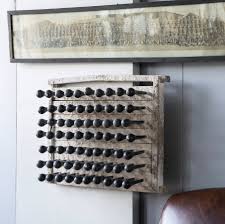
Vintage Balloon Molds | Local Vintage Decor | City…
cityhomepdx.com · $192
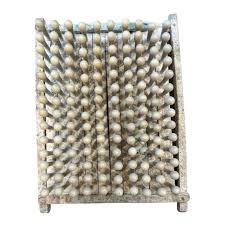
Vintage White Balloon Mold – The Redo by Colleen
theredobycolleen.com · $210
Balloon Molds Textured Wall Art Thick Spindles C |…
chairish.com · $250
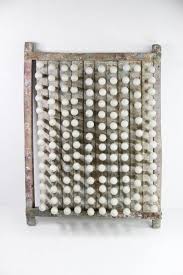
Vintage Balloon Mold | Rustic Wall Decor-wood Fram…
etsy.com
Vintage Balloon Mold, Vintage Industrial Decor, Vi…
etsy.com
Balloon Molds Textured Wall Art B | Chairish
chairish.com
Related Items

Have an antique to identify?
Get an instant AI appraisal with values, history, and market insights.
Download for iPhone