Vintage Fog Horn Value Guide
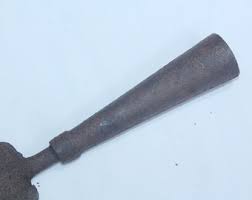
- Period
- 1900-1950
- Origin
- Uncertain, likely Europe or North America
- Materials
- Galvanized metal, wood
- Category
- Fog horn
This vintage manual fog horn represents a critical era of maritime safety between 1900 and 1950, serving as a primary signaling device for small vessels and a reliable backup for larger ships. Its rugged construction from galvanized metal and wood highlights the functional design required to withstand harsh saltwater environments before the dominance of electronic navigation.
What Is Vintage Fog Horn Worth?
The typical price range for Vintage Fog Horn is $75 - $125 based on recent sales. However, values can vary depending on the item's condition, rarity, and other factors such as:
- Functional condition: Horns that still produce a clear, resonant signal command higher prices toward the $125 range.
- Material integrity: The absence of significant rust-through on the galvanized metal and the preservation of original wooden parts significantly impact desirability.
- Provenance and markings: Identifiable maker's marks from known European or North American maritime suppliers can increase collector interest.
- Size and complexity: Larger mechanical bellows-operated models are generally more valuable than simple handheld mouth-blown trumpets.
How to Identify Vintage Fog Horn?
- Look for a hand-operated bellows or a mouth-blown trumpet design constructed from heavy-gauge galvanized metal.
- Examine the wooden components, such as handles or base plates, for authentic age-related wear and patina consistent with early 20th-century craftsmanship.
- Check for manufacturer stamps or maritime inspection marks often found near the mouthpiece or the widest part of the bell.
- Verify the presence of original soldering joints and rivets which distinguish authentic manual horns from modern decorative reproductions.
History of Vintage Fog Horn
Fog horns have been used for centuries to aid navigation and prevent collisions in foggy conditions. Early versions were often simple trumpets, evolving into more complex mechanical and eventually electrical systems. Manual horns like this one were essential for smaller vessels or as backup on larger ships before advanced electronic navigation became widespread.
Shop Similar
Buy Antique Tribal Spearhead Spear Bhala Dagger St…
etsy.com
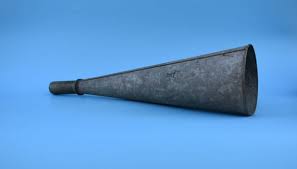
Boat Horn Maritime Nautical Marine Tool - Etsy Isr…
etsy.com
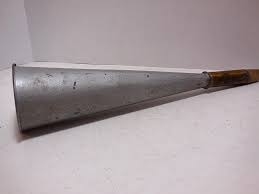
Vintage Galvanized Manual Fog Horn with Wooden Mou…
worthpoint.com
B I B Deposes Vintage Oil Dispenser. Pump Action. …
picclick.co.uk
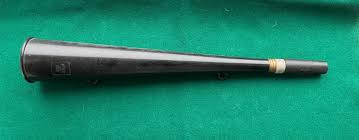
acme horn products for sale | eBay UK
ebay.co.uk
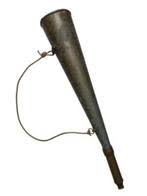
≥ Vind scheepvaart antiek in Verzamelen op Marktpl…
marktplaats.nl
Have an antique to identify?
Get an instant AI appraisal with values, history, and market insights.
Download for iPhone