Vintage Prosthetic Eye Value Guide
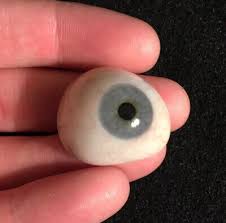
- Period
- 1900-1950
- Origin
- Germany
- Materials
- Glass, Enamel
- Category
- Prosthetic eye
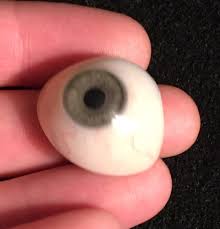
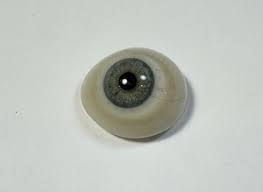
This vintage German prosthetic eye represents the pinnacle of early 20th-century medical artistry, specifically originating from the renowned glassblowing hub of Lauscha. These pieces are highly collectible due to their meticulous use of cryolite glass and hand-painted enamel, which provided a lifelike appearance for patients before the advent of modern acrylics.
What Is Vintage Prosthetic Eye Worth?
The typical price range for Vintage Prosthetic Eye is $100 - $120 based on recent sales. However, values can vary depending on the item's condition, rarity, and other factors such as:
- The realism and intricacy of the iris coloration, with multi-tonal blue-gray shades commanding higher interest.
- Overall physical condition, specifically the absence of surface scratches, chips, or dulling of the glass finish.
- Historical provenance, particularly if the piece can be traced back to the specialized artisans of Lauscha, Germany.
- The presence of original medical storage cases or documentation from the early 20th century.
How to Identify Vintage Prosthetic Eye?
- Examine the iris for the depth and complexity of the blue-gray enamel, which should appear layered rather than flat.
- Verify the material is genuine cryolite glass, which has a distinct weight and cool temperature compared to later plastic versions.
- Look for the characteristic 'veining' or fine red lines on the sclera, hand-applied to mimic natural human capillaries.
- Check for the smooth, fire-polished finish typical of German craftsmanship from the 1900-1950 era.
History of Vintage Prosthetic Eye
The history of realistic ocular prosthetics gained prominence in 19th-century Germany, particularly in Lauscha, where glassblowers perfected techniques using cryolite glass. These highly skilled artisans created durable and lifelike artificial eyes, marking a significant advancement in medical aesthetics and patient rehabilitation before the transition to acrylic materials became common after World War II. Collecting these items offers a unique window into early 20th-century craftsmanship and medical history.
Shop Similar
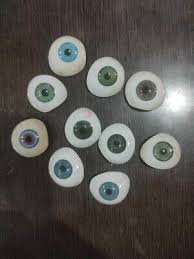
Vintage Human Prosthetic Eye ~ Antique Artificial …
ebay.com · $34
Vintage Prosthetic Eye Beautifully Detailed Glass …
ebay.com · $100
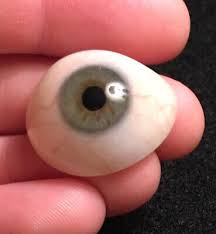
Vintage Prosthetic Eye Beautifully Detailed Glass …
ebay.com · $140
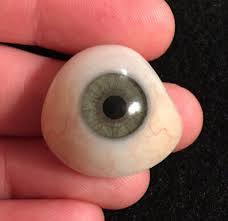
Vintage Prosthetic Eye Beautifully Detailed Glass …
ebay.com · $150
Vintage Prosthetic Eye Beautifully Detailed Glass …
ebay.com.sg · $193
Vintage Glass Eye Prosthetic | eBay
ebay.com
Have an antique to identify?
Get an instant AI appraisal with values, history, and market insights.
Download for iPhone