Vintage Wooden Surfboard Value Guide
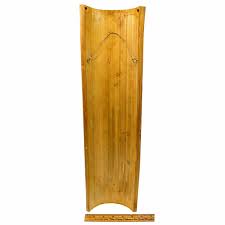
- Period
- 1950s-1970s
- Origin
- United States
- Materials
- Wood
- Category
- Surfboard
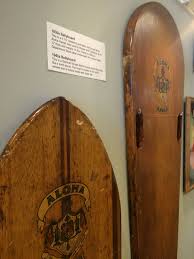
This vintage wooden surfboard captures the mid-century fascination with Hawaiian surf culture, serving as a decorative tribute to traditional alaia and olo designs. Featuring a distinctive 'ALOHA' central emblem, these boards are highly collectible for their nostalgic aesthetic and connection to early 20th-century coastal Americana.
What Is Vintage Wooden Surfboard Worth?
The typical price range for Vintage Wooden Surfboard is $200 - $300 based on recent sales. However, values can vary depending on the item's condition, rarity, and other factors such as:
- The condition of the central 'ALOHA' emblem, as fading or peeling significantly reduces the display value.
- The type of wood used and the quality of the finish, with well-preserved original lacquer commanding higher prices.
- Historical provenance or evidence of the board being an early souvenir from the 1950s-1970s era.
- Overall structural integrity, including the absence of warping, deep cracks, or significant water damage to the wood.
How to Identify Vintage Wooden Surfboard?
- Look for the specific 'ALOHA' text centered within a circular or shield-shaped emblem on the front of the board.
- Examine the wood grain and construction for signs of 1950s-1970s manufacturing, such as aged varnish or period-correct joinery.
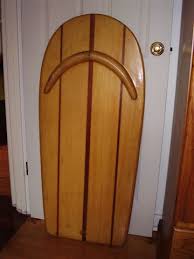
- Verify the dimensions to distinguish between a full-sized decorative replica and a functional vintage paipo or alaia style board.
- Check for authentic patina and wear patterns consistent with mid-century United States origin rather than modern mass-produced imports.
History of Vintage Wooden Surfboard
Early surfboards were made from solid wood, primarily koa or wiliwili in Hawaii. These boards, known as 'olo' or 'alaia', were often very long and heavy, ridden by Hawaiian royalty and commoners alike. The craft of surfboard shaping evolved significantly over time, with designs becoming shorter, lighter, and more maneuverable. This particular board appears to be a decorative item inspired by these early designs, celebrating the rich history of surfing and Hawaiian culture.
Shop Similar
Signed Art HAND CARVED/PAINTED BAMBOO 20" Wall Han…
ebay.com.my
Core Craft Fiberglass Canoe 14' From The 1970's fo…
offerup.com
Some Paipo and Alaia at Hawaiian Surf Auction
mypaipoboards.org
Gorgeous late 1800s Victorian child's toe-pincher …
facebook.com
Surf's up: 6 reasons to visit the Ocean City surfi…
nj.com
A Paipo Interview with Tony Dawes
mypaipoboards.org
Related Items
Have an antique to identify?
Get an instant AI appraisal with values, history, and market insights.
Download for iPhone