Violin Brooch Pin Value Guide
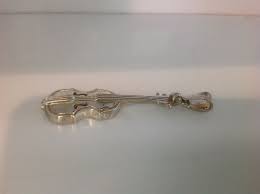
- Period
- 1950-1980
- Origin
- United Kingdom
- Materials
- Silver plated metal, wire pin mechanism
- Category
- Violin brooch
This mid-20th-century violin brooch is a charming example of the novelty musical-instrument jewelry trend that originated in the late 19th century. Crafted in the United Kingdom between 1950 and 1980, these silver-plated pieces served as versatile accessories, functioning as both lapel pins and pendants.
What Is Violin Brooch Pin Worth?
The typical price range for Violin Brooch Pin is $25 - $40 based on recent sales. However, values can vary depending on the item's condition, rarity, and other factors such as:
- The presence and integrity of the silver plating, as heavy wear or pitting to the metal reduces the $25-$40 valuation.
- Functionality of the dual-purpose hardware, including the security of the pin back and the condition of the pendant loop.
- The level of detail in the casting, with sharper definitions of the violin's strings and f-holes commanding higher prices.
- Historical provenance or original packaging from mid-century UK souvenir or novelty jewelry retailers.
How to Identify Violin Brooch Pin?
- Examine the reverse side for a wire pin mechanism and a small integrated loop designed for a neck chain.
- Check for a silver-plated finish over a base metal construction, typical of UK costume jewelry from the 1950-1980 era.
- Look for detailed miniature instrument features such as the scroll, bridge, and tailpiece rendered in relief.
- Verify the United Kingdom origin, often indicated by specific manufacturing marks or stylistic construction of the pin back.
History of Violin Brooch Pin
Miniature musical-instrument brooches became popular in the late 19th and early 20th centuries as novelty and souvenir jewelry. Makers reproduced violins, cellos and other instruments in silver, gold and base metals; later mid-20th-century costume versions used plated metals and rhinestones. These pieces were worn as lapel pins, scarf pins or pendants and remain collectible for their craftsmanship and charm.
Shop Similar
STERLING SILVER LARGE CHELLO PENDANT HANDCRAFTED |…
ebay.com · $90
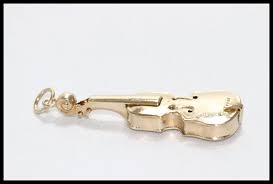
Vintage 14KT Yellow Gold 3D Violin Charm. For Sale…
rubylane.com · $400
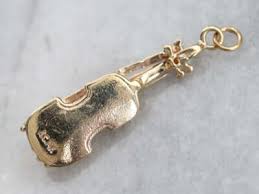
Yellow Gold Violin Charm | eBay
ebay.com · $515
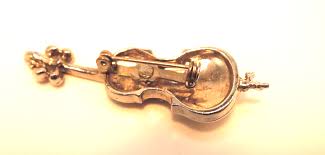
Silver Tone and Rhinestone Violin Pin, 1960-'70s |…
ebay.com
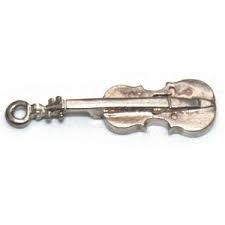
Vintage Sterling Silver Violin or Cello Charm. Mar…
etsy.com
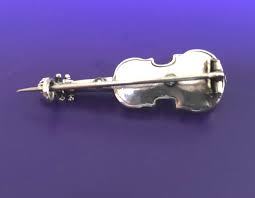
Antique Scottish Silver Agate Violin/cello Pin. Sc…
etsy.com
Have an antique to identify?
Get an instant AI appraisal with values, history, and market insights.
Download for iPhone