Visible Glass Mailbox Value Guide
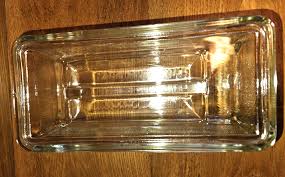
- Period
- 1920-1940
- Origin
- United States
- Materials
- Glass
- Category
- Mailbox
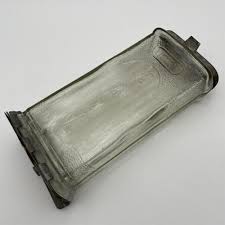
The Visible Glass Mailbox is a unique Depression-era artifact designed to let homeowners check for mail without stepping into the cold. Patented in the early 1900s and popularized by the George F. Collins Company, these heavy rectangular glass containers represent a blend of 20th-century utility and sanitary design.
What Is Visible Glass Mailbox Worth?
The typical price range for Visible Glass Mailbox is $220 - $240 based on recent sales. However, values can vary depending on the item's condition, rarity, and other factors such as:
- Condition of the glass, specifically the absence of chips around the lid hinge and mounting holes, which are high-stress areas.
- Presence of original metal components, as complete units with authentic lids and mounting brackets command the full $220-$240 price range.
- Clarity and color of the glass, with rare tints or exceptionally clear examples being more desirable to collectors.
- The presence of original embossed lettering and patent dates, which confirms the mailbox's historical authenticity.
How to Identify Visible Glass Mailbox?
- Look for the 'Visible' branding or manufacturer names like George F. Collins Co. or Holtons embossed directly into the glass.
- Verify the heavy, thick-walled rectangular construction typical of 1920s-1940s American glass manufacturing.
- Check for the original metal mounting hardware and the hinged lid, which are often missing or replaced in reproductions.
- Examine the glass for a slight straw or aqua tint, which is common in authentic early 20th-century industrial glass.
History of Visible Glass Mailbox
First patented in the early 1900s, these 'Visible' mailboxes were designed to allow homeowners to see if they had received mail without having to open the box or step outside in the cold. They became popular during the 1920s and 1930s, often produced by companies like the George F. Collins Company and Holtons. They were marketed as a sanitary and convenient alternative to metal boxes that could rust or hide contents.
Shop Similar
Refrigerator Box w/ Lid Rectangle Vintage Inset Ha…
ebay.com · $14
Vintage PITTSBURGH CORNING PC clear glass block ba…
ebay.com · $18
Vintage Westinghouse Yellow Amber Glass Covered Re…
etsy.com · $40
Genuine OEM KitchenAid Wall Oven LIGHT lens For KE…
ebay.com · $65
Buy Vintage Glass Military Tank Candy Container - …
etsy.com · ₹2107
Sold at Auction: "Visible" Glass Mailbox, 5 1/2 x …
invaluable.com
Related Items
Have an antique to identify?
Get an instant AI appraisal with values, history, and market insights.
Download for iPhone