Vitantonio Victorio Strainer No. 200 Value Guide
- Period
- 1960-1970
- Origin
- United States
- Materials
- Aluminum, Steel, Rubber, Plastic, Cardboard
- Category
- Vitantonio
The Vitantonio Victorio Strainer No. 200 is a quintessential mid-century kitchen tool that revolutionized home canning by separating skins and seeds from pulp without pre-peeling. Manufactured in Eastlake, Ohio, this specific model is highly collectible for its durable aluminum construction and its historical significance in American food preservation.
What Is Vitantonio Victorio Strainer No. 200 Worth?
The typical price range for Vitantonio Victorio Strainer No. 200 is $45 - $50 based on recent sales. However, values can vary depending on the item's condition, rarity, and other factors such as:
- Completeness of the set, including the original saucer, wooden plunger, and various sized screens, significantly increases market price.
- Condition of the rubber gasket and seals, as these components often degrade over time and affect the unit's functionality.
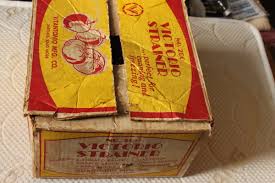
- Presence of the original 1960s-1970s cardboard box and instructional manual, which adds a premium for vintage kitchenware collectors.
- Overall luster of the aluminum body and lack of pitting or heavy oxidation from acidic fruit processing.
How to Identify Vitantonio Victorio Strainer No. 200?
- Look for the 'Victorio Strainer No. 200' branding stamped directly onto the aluminum body or the original cardboard packaging.
- Verify the presence of the signature spiral auger and the specific cone-shaped steel mesh screen used for processing.
- Check for the Vitantonio Manufacturing Company mark, which confirms its origin from the Eastlake, Ohio production era.
- Ensure the handle features the period-correct plastic or rubber grip consistent with 1960s-1970s manufacturing.
History of Vitantonio Victorio Strainer No. 200
The Victorio Strainer was originally patented by the Vitantonio Manufacturing Company in 1930. Based in Eastlake, Ohio, the company became famous for this specific kitchen tool, which revolutionized home canning by allowing users to separate skins and seeds from pulp without peeling or coring first. It remains a staple for home gardeners and canning enthusiasts.
Shop Similar
Erector Set How To Make 'Em Book 1938 A.C. Gilbert…
ebay.com · $10
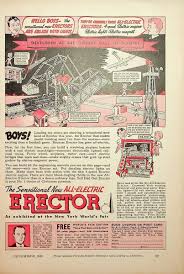
Original 1938 Erector Toy Ad: All Electric | eBay
ebay.com · $10

DAREDEVIL #32 VINTAGE 1967 MARVEL COMICS GOOD | Me…
mercari.com · $11
Texaco Stearman Biplane - Etsy
etsy.com · $61
G.I. Joe Navy Seal and Mission Raft Exclusive 12-I…
afact.com · $95
Vintage Victorio Strainer Vitantonio Mfg. Co. - #2…
ebay.com
Related Items
Have an antique to identify?
Get an instant AI appraisal with values, history, and market insights.
Download for iPhone