Wardian Case Value Guide
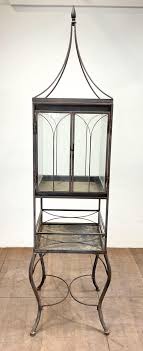
- Period
- 1830-1900
- Origin
- United Kingdom
- Materials
- Wrought iron, glass
- Category
- Terrarium
Invented by Dr. Nathaniel Bagshaw Ward in the 1830s, the Wardian Case revolutionized botany by allowing the global transport of live plants like tea and exotic ferns. These wrought iron and glass structures became essential decorative fixtures in Victorian homes, serving as the precursor to the modern terrarium.
What Is Wardian Case Worth?
The typical price range for Wardian Case is $400 - $600 based on recent sales. However, values can vary depending on the item's condition, rarity, and other factors such as:
- The structural integrity of the wrought iron frame and the presence of original, unbroken glass panes.
- Provenance linking the piece to specific 19th-century botanical collections or notable Victorian estates.
- The complexity of the design, with ornate 'Crystal Palace' styles commanding higher prices within the $400-$600 range.
- The presence of original drainage features or internal tiered shelving used for displaying exotic plant species.
How to Identify Wardian Case?
- Look for heavy wrought iron framing consistent with 19th-century United Kingdom manufacturing rather than modern lightweight alloys.
- Examine the glass for period-accurate imperfections such as seeds, bubbles, or slight waviness common in 1830-1900 production.
- Verify the presence of a deep metal or wooden base designed to hold soil and maintain the high humidity levels required for ferns.
- Check for Victorian-era architectural motifs in the metalwork, often mimicking the style of miniature conservatories or greenhouses.
History of Wardian Case
The Wardian case was invented in the 19th century by Nathaniel Bagshaw Ward, a British doctor with a passion for botany. He observed that plants, especially ferns, thrived in sealed glass containers due to the stable humidity. This invention revolutionized the transportation of live plants across long distances, significantly aiding the global spread of botanical species and the establishment of new industries, such as tea in India. Wardian cases became a popular decorative item in Victorian homes, allowing people to display exotic plants and create miniature indoor gardens.
Shop Similar
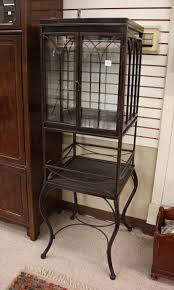
Lot - METAL CURIO CABINET
ogallerie.com · $200
Sold at Auction: 87in Victorian Wrought Iron Frees…
invaluable.com · $650
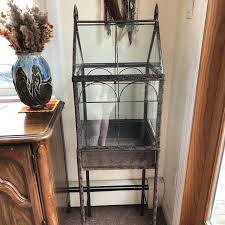
H Potter Large Terrarium Wardian Case Glass Metal …
etsy.com
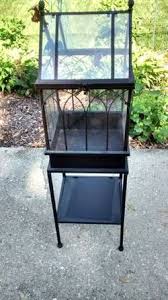
Large Black Wrought Iron Terrarium with Dragons Pl…
offerup.com
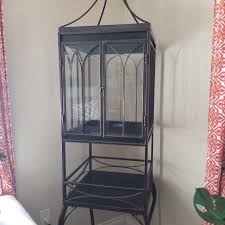
Decorative Atrium Display Stand for Sale in Chula …
offerup.com
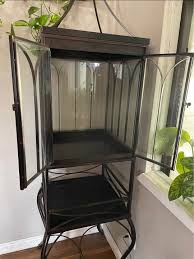
Ideas for a 7.5ft tall plant display?
facebook.com
Have an antique to identify?
Get an instant AI appraisal with values, history, and market insights.
Download for iPhone