Wassily Chair Value Guide
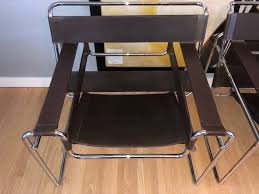
- Period
- 1925-1926
- Origin
- Germany
- Materials
- chrome plated steel, leather, brass rivets
- Category
- Modern chair
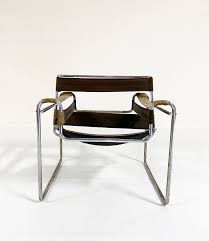
The Wassily Chair, originally known as the Model B3, is a cornerstone of the Bauhaus movement and the first furniture piece to utilize bent tubular steel. Designed by Marcel Breuer in Germany, its revolutionary cantilevered frame was inspired by the construction of bicycle handlebars.
What Is Wassily Chair Worth?
The typical price range for Wassily Chair is $800 - $2,200 based on recent sales. However, values can vary depending on the item's condition, rarity, and other factors such as:
- Manufacturer provenance, with original Thonet or Gavina productions commanding higher prices than generic mid-century reproductions.
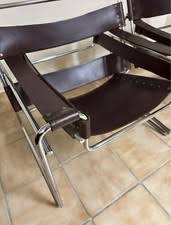
- Condition of the leather straps, as replacements can be costly and original patinated brown leather is highly desirable.
- The quality of the chrome plating, specifically the absence of pitting, rust, or flaking on the tubular steel.
- Age and era of production, with early 1960s Knoll editions typically reaching the upper end of the $2,200 value range.
How to Identify Wassily Chair?
- Check for the KnollStudio logo and Marcel Breuer's signature stamped into the base of the frame on modern authentic productions.
- Examine the ends of the tubular steel; authentic high-end versions feature capped or perfectly polished ends rather than plastic plugs.
- Verify the leather straps are secured with flush brass rivets and exhibit high-quality edge finishing without visible fraying.
- Look for a continuous, seamless chrome-plated steel frame without visible weld marks at the primary bends.
History of Wassily Chair
Designed in 1925–1926 by Hungarian-born architect Marcel Breuer, the Wassily chair (originally Model B3) was one of the first to use bent tubular steel in furniture, inspired by bicycle handlebars and the Bauhaus movement. It became an icon of modern design and was produced by Knoll starting in the 1960s; many reproductions have been made since.
Shop Similar
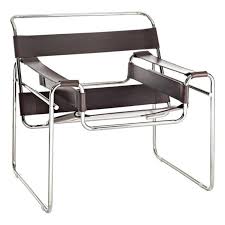
CRO Decor Brown recycled LeatherSteel Frame Armcha…
walmart.com · $299
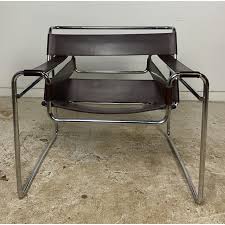
Late 20th Century Knoll Wassily Lounge Chairs in D…
chairish.com · $1680
Rare Wassily Chair by Marcel Breuer for Knoll: Bro…
etsy.com · $2646
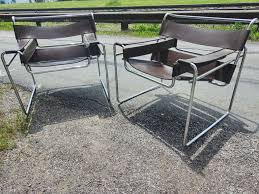
Pair of Bauhaus Wassilly Chairs by Marcel Breur Mi…
1stdibs.com · $3950
Early Canvas Model B3 "Wassily" Chair, Green Eisen…
forsythart.com · $30000
Wassily Chair | eBay
il.ebay.com
Related Items
Have an antique to identify?
Get an instant AI appraisal with values, history, and market insights.
Download for iPhone