Women's Hanbok Value Guide
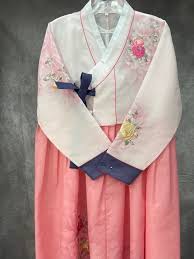
- Period
- 1990-2010
- Origin
- South Korea
- Materials
- Silk, Polyester, Satin
- Category
- Hanbok
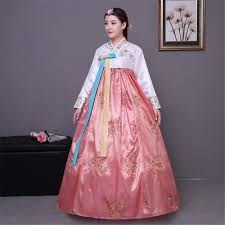
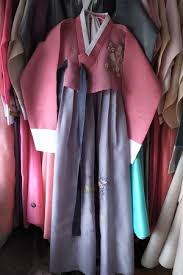
This late 20th-century Women's Hanbok represents a refined era of South Korean formal wear, pairing a vibrant pink jeogori with a sophisticated dark grey chima. As a garment rooted in the Three Kingdoms period, this specific silk and satin ensemble is highly collectible for its preservation of traditional silhouettes without modern pockets.
What Is Women's Hanbok Worth?
The typical price range for Women's Hanbok is $425 - $465 based on recent sales. However, values can vary depending on the item's condition, rarity, and other factors such as:
- The condition of the silk and satin fabrics, specifically looking for any fading in the pink pigment or snags in the skirt.
- The quality of the craftsmanship, as authentic South Korean sets from this era command higher prices than mass-produced replicas.
- The completeness of the two-piece set, ensuring the jeogori and chima are original matching components.
- Market demand for traditional formal attire from the 1990-2010 period, currently valued between $425 and $465.
How to Identify Women's Hanbok?
- Verify the presence of a short, cropped pink jeogori (jacket) paired with a high-waisted, full-length dark grey chima (skirt).
- Check for high-quality material construction using a blend of silk, satin, and polyester typical of 1990-2010 production.
- Look for the absence of pockets and the use of traditional tie-closures rather than modern zippers or buttons.
- Inspect the interior labels for South Korean origin markings and era-specific textile manufacturing stamps.
History of Women's Hanbok
The Hanbok dates back to the Three Kingdoms period of Korea. It evolved over centuries into its modern two-piece form, characterized by vibrant colors and simple lines without pockets. Historically, different colors and patterns signified social status and marital standing. Today, it is worn predominantly for formal occasions, festivals, and traditional ceremonies.
Shop Similar
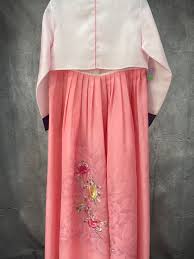
Rent VG0016 – Vogue Fashion Chicago
voguehanbok.com · $100
VG0016 – Vogue Fashion Chicago
voguehanbok.com · $450
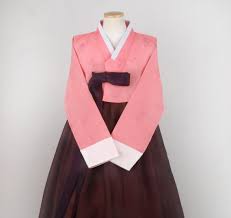
Pre-owned Korean Traditional Clothing Women's Hanb…
etsy.com
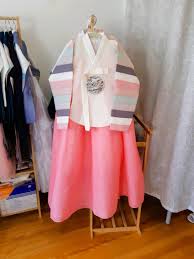
G903 Hanbok Girl, Age 8-9, Korean Traditional Cost…
etsy.com
Amazon.com: Female Korean Hanbok Traditional Dress…
amazon.com
A Deep Dive into Hanbok – The Original Korean Outf…
times.uos.ac.kr
Related Items
Have an antique to identify?
Get an instant AI appraisal with values, history, and market insights.
Download for iPhone