Wooden Field Camera Value Guide
- Period
- 1900-1920
- Origin
- United States
- Materials
- Wood, metal, leather
- Category
- Field camera
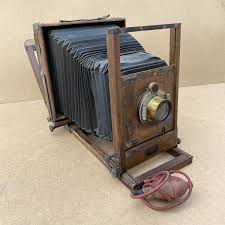
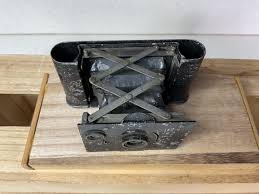
The early 20th-century American wooden field camera is a masterpiece of optical engineering, prized by collectors for its portability and large-format negative capabilities. These instruments represent a pivotal era in landscape and portrait photography, blending fine woodworking with functional leather accordion bellows.
What Is Wooden Field Camera Worth?
The typical price range for Wooden Field Camera is $300 - $500 based on recent sales. However, values can vary depending on the item's condition, rarity, and other factors such as:
- The physical condition of the wooden frame, including the presence of original finish and lack of cracks or woodworm.
- The functionality and light-tightness of the bellows, as replacements can be costly for collectors.
- The inclusion of original period-correct lenses and brass shutters which significantly increase the $300-$500 base value.
- Completeness of the kit, including original film holders or the matching wooden tripod used during the era.
How to Identify Wooden Field Camera?
- Check for high-quality wood construction, typically mahogany or cherry, paired with brass or nickel-plated metal hardware.
- Inspect the accordion-style bellows for light-tight integrity and authentic leather or treated fabric materials.
- Look for manufacturer nameplates or stamps indicating United States origin and production dates between 1900 and 1920.
- Verify the presence of a ground glass back used for focusing the large format image before exposure.
History of Wooden Field Camera
Wooden field cameras were essential tools for photographers in the late 19th and early 20th centuries, prized for their portability and ability to produce large, high-quality negatives. These cameras were often used for landscape and portrait photography, requiring a tripod due to their size and the long exposure times needed. They represent a significant era in the development of photography, showcasing early craftsmanship and optical engineering.
Shop Similar
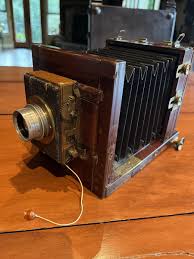
Antique Reynolds & Branson 3x4 Wood Field Camera C…
ebay.com · $299
Eastman View No. 1 Improved Model 8x10 Wooden Came…
ebay.com · $507
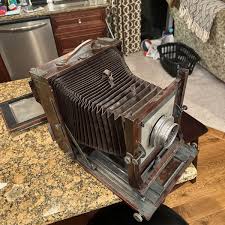
Century Universal 8x10 Field Camera by Folmer Graf…
ebay.com · $1899
Antique Field Camera - Etsy
etsy.com
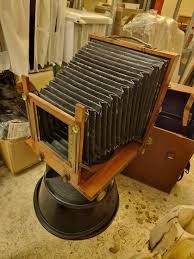
Lens Recommendations for an ancient Whole Plate Ca…
reddit.com
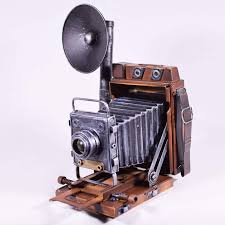
Retro Metal Collectible Antique Camera with Flash …
amazon.nl
Related Items
Have an antique to identify?
Get an instant AI appraisal with values, history, and market insights.
Download for iPhone