Wooden Gua Sha Massage Tool Value Guide
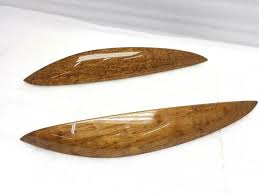
- Period
- 1990-2020
- Origin
- China
- Materials
- Wood
- Category
- Gua sha
This polished wooden Gua Sha tool represents a modern evolution of a healing practice dating back to the Paleolithic Age. Originating from China between 1990 and 2020, these wooden variants are highly collectible for their natural warmth and smooth finish compared to traditional stone or horn implements.
What Is Wooden Gua Sha Massage Tool Worth?
The typical price range for Wooden Gua Sha Massage Tool is $30 - $30 based on recent sales. However, values can vary depending on the item's condition, rarity, and other factors such as:
- Condition of the wood surface, as nicks or splinters significantly decrease the tool's utility and market value.
- The type of wood used, with denser or more exotic hardwoods commanding prices closer to the $30 mark.
- Provenance and era, specifically items confirmed to be from the late 20th-century Chinese production period.
- Smoothness of the scraping edges, which is essential for the tool to function in stimulating oxygenated blood flow.
How to Identify Wooden Gua Sha Massage Tool?
- Look for a high-gloss, hand-polished finish characteristic of Chinese wood craftsmanship from the 1990-2020 era.
- Verify the ergonomic, curved edges designed specifically for skin scraping and petechiae production.
- Check for natural wood grain patterns which distinguish authentic timber tools from synthetic or plastic imitations.
- Identify the specific origin markings or traditional Chinese packaging often associated with these therapeutic exports.
History of Wooden Gua Sha Massage Tool
Gua Sha is a traditional East Asian and Chinese medical treatment in which the skin is scraped to produce light petechiae. Practitioners believe that Gua Sha releases unhealthy bodily matter from blood stasis within sore, tired, or injured muscle areas to stimulate new oxygenated blood flow to the areas, thus promoting metabolic cell repair, regeneration, healing and recovery. This practice dates back to the Paleolithic Age, with early tools made from stones and animal horns. Over time, wood became a common material, valued for its smooth finish and natural warmth.
Shop Similar
2004-2006-2008-2010 BMW 645 650i Left & Right Door…
ebay.com · $15
Lot of 2 Olive Hand Painted Glazed Vintage Pottery…
etsy.com · $42
Authentic Temple Replacement PARTS MAUI JIM HAMOA …
ebay.com · $43
Mid Century Sheffield n.y. Stainless Carving Set- …
chairish.com · $120
BMW E63/E64 M6 Door Trim Strip Right Passenger Wal…
ebay.com
Tibetan Natural Old Agate Dzi Silkworm Lines & Lin…
ebay.com
Have an antique to identify?
Get an instant AI appraisal with values, history, and market insights.
Download for iPhone