Wooden Produce Crate Value Guide
- Period
- 1920-1950
- Origin
- United States
- Materials
- pine wood, wire mesh, metal nails/staples
- Category
- Wooden crate
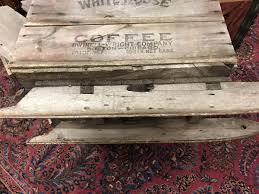
These stackable wooden produce trays represent a vital era of American agricultural history, used extensively between 1920 and 1950 for drying and transporting bulbs and vegetables. Their unique combination of pine wood construction and wire mesh bottoms makes them highly sought after by collectors for both their industrial aesthetic and functional versatility.
What Is Wooden Produce Crate Worth?
The typical price range for Wooden Produce Crate is $75 - $120 based on recent sales. However, values can vary depending on the item's condition, rarity, and other factors such as:
- The clarity and rarity of the stenciled branding or farm location significantly impact the market price.
- Overall structural integrity of the pine wood, specifically the absence of rot or excessive splitting in the stacking joints.
- The condition of the wire mesh bottom, with higher values placed on trays where the mesh is intact and not heavily rusted through.
- Provenance and age, with well-preserved examples from the early 1920s typically fetching the high end of the $75-$120 range.
How to Identify Wooden Produce Crate?
- Look for original stenciled lettering on the pine slats identifying specific US growers, packers, or agricultural cooperatives.
- Examine the bottom for authentic period-correct wire mesh and aged metal nails or staples consistent with mid-century manufacturing.
- Check for the characteristic open-slat side design intended for air circulation and drainage during the sorting process.
- Verify the stackable structural design which was a standard feature for efficient farm-to-market transport.
History of Wooden Produce Crate
Wooden produce crates with mesh trays were commonly used on farms and in markets from the late 19th century through mid 20th century to dry, sort, and transport vegetables and bulbs. The open slat sides and wire bottoms allowed air circulation and drainage, while stenciled markings identified growers, packers, or cooperatives. These pragmatic pieces have since been repurposed as rustic storage and display in homes and shops.
Shop Similar
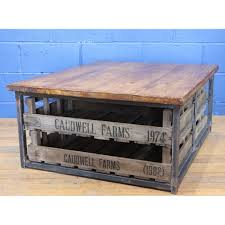
A Large Vintage Industrial Rustic Four Drawer Coff…
etsy.com · $394
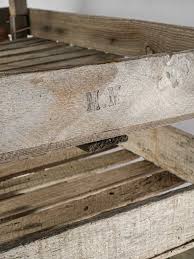
4 rustic wooden fruit drying racks 17" x 25¼"
chezpluie.com · $960
PRIMITIVE ANTIQUE VTG WHITEHOUSE COFFEE SLED DWINE…
ebay.com · $1250
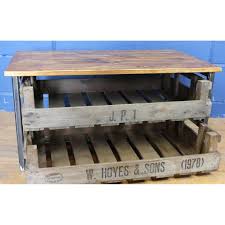
A Vintage Industrial Rustic 2 Drawer Coffee Table,…
etsy.com
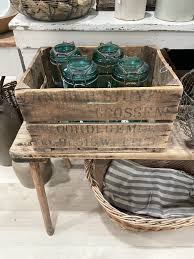
Island time!! It's been awhile since I had all the…
instagram.com
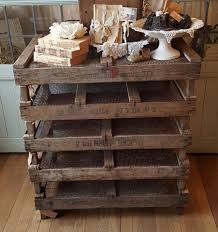
Elm Street Antiques | Hermiston OR
facebook.com
Related Items
Have an antique to identify?
Get an instant AI appraisal with values, history, and market insights.
Download for iPhone