Identify Vintage Brooch Makers Instantly With These AI Scanning Secrets

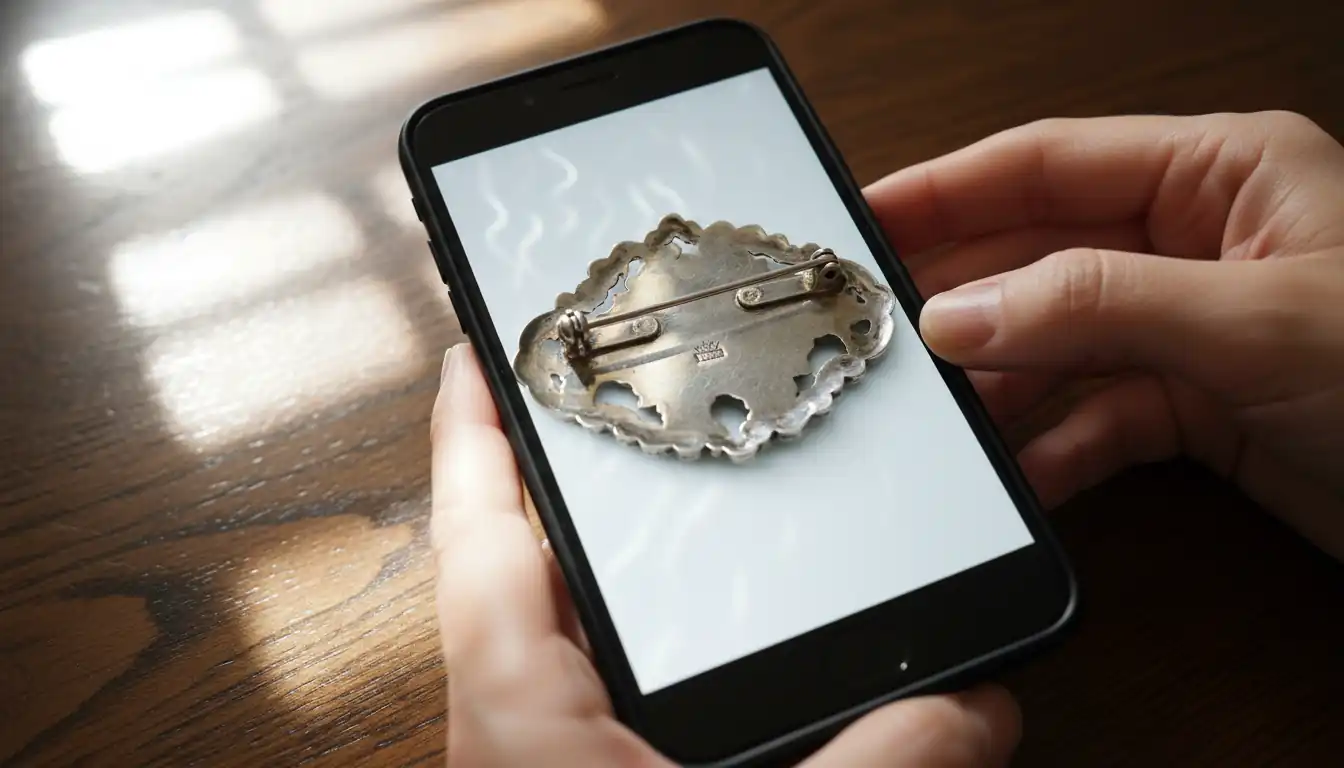
You are standing at a crowded estate sale, your eyes scanning a velvet-lined tray of tangled chains and mismatched earrings. Amidst the clutter, a single brooch catches the light. It has the weight of quality and the intricate detail of a bygone era, but there is no obvious name on the front. Is it a mass-produced trinket from the 1980s, or a rare masterpiece from a mid-century design house?
The difference between a $5 find and a $5,000 investment often hides in plain sight, tucked away in the tiny etchings and structural choices of the maker. Identifying these pieces used to require a library of reference books and decades of hands-on experience. You had to memorize thousands of tiny symbols and understand the subtle evolution of metalwork across three centuries.
This guide will change how you look at vintage jewelry. You will learn to read the "hidden language" of hallmarks, understand the structural "bones" that reveal a maker's identity, and see how modern technology can bridge the gap between curiosity and a professional appraisal. By the time you finish reading, you will have the tools to identify vintage brooch makers with the precision of a seasoned dealer.
The Hidden Language of Jewelry Hallmarks
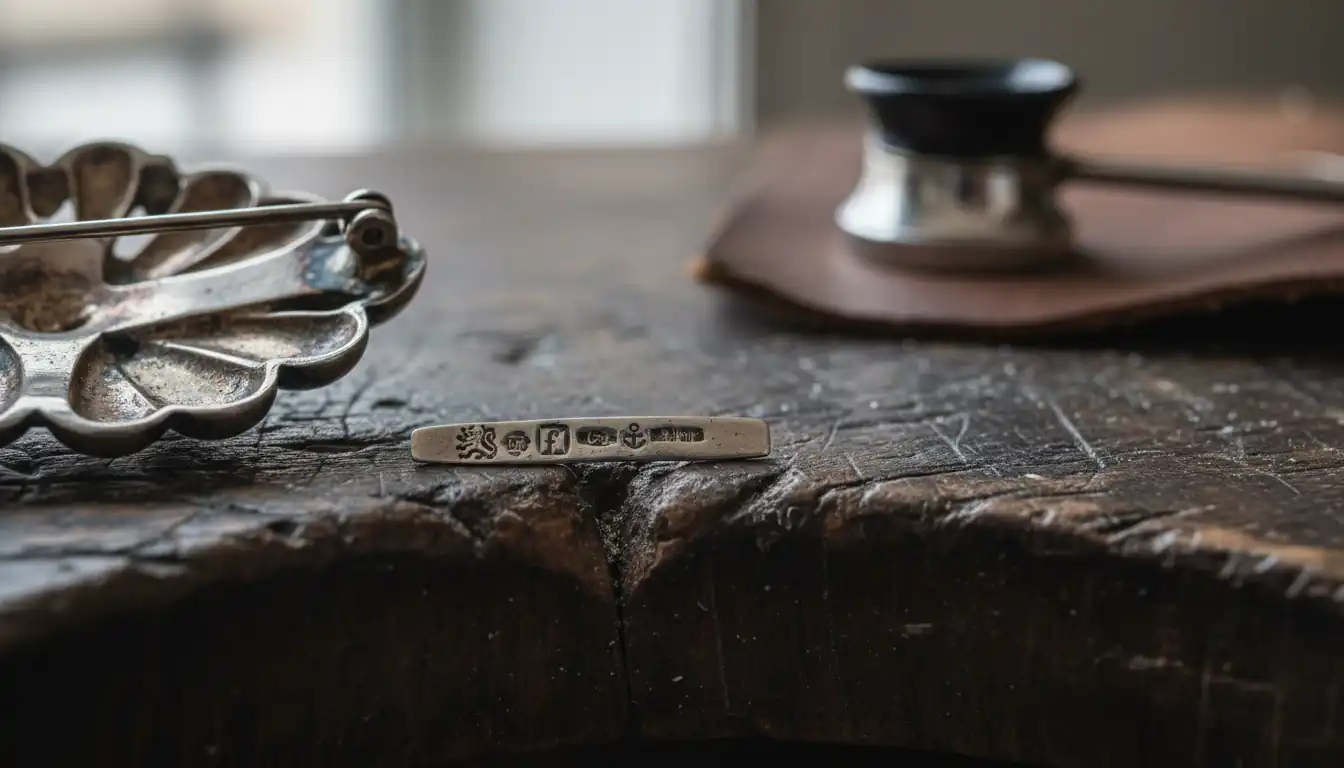
When you pick up a vintage brooch, your first instinct should be to turn it over. The back of a piece of jewelry is often more revealing than the front. This is where the maker leaves their "fingerprints." These tiny marks, known as hallmarks or maker's marks, are the primary evidence of a piece's origin. They are often so small that they appear as mere scratches to the naked eye, but under magnification, they reveal a world of history.
Decoding Tiny Symbols Under a Loupe
To see these marks clearly, you need a jeweler’s loupe—a small, handheld magnifying glass with at least 10x magnification. When you examine the back of a brooch, don't just look at the flat surfaces. Makers were clever about where they hid their signatures. You should check the pin stem itself, as many European makers stamped their marks directly onto the needle-like wire. Also, inspect the "gallery"—the side walls of the brooch—and the very edge of the clasp mechanism.
A hallmark can be a name, a set of initials, or a symbolic logo. For example, the famous American costume jewelry brand Trifari often used a crown symbol above the "T" in their name. If you see that crown, you know the piece likely dates from the 1940s to the 1960s. Eisenberg, another highly collectible maker, often used simple block letters. However, in certain eras, they didn't mark the metal at all, instead using paper tags or marking only the original box. This is why the physical mark is just the first clue in your investigation.
Common Maker Marks of the Victorian and Art Deco Eras
The style of the mark often changes with the era. In the Victorian period, marks were frequently hand-stamped and might include "fineness" marks indicating the purity of the gold or silver. You might see a small lion passant (a walking lion) on British sterling silver or a bird's head on French gold. These aren't just decorations; they are legal guarantees of quality.
As we moved into the Art Deco era of the 1920s and 30s, marks became more standardized. You will find geometric logos and crisp, sans-serif fonts. Makers like Cartier or Van Cleef & Arpels began using serial numbers alongside their brand names. These numbers are a goldmine for researchers because they often correspond to specific workshop ledgers, allowing you to date a piece to the exact year it was created.
| Maker | Iconic Mark Style | Era of Popularity |
|---|---|---|
| Trifari | Crown over 'T' | 1940s - 1960s |
| Coro | Pegasus symbol | 1930s - 1950s |
| Miriam Haskell | Oval embossed plaque | 1940s - 1970s |
| Boucher | Inventory numbers | 1930s - 1970s |
A hallmark is more than a signature; it is a legal and historical record of a piece's journey from the jeweler's bench to your collection.
These tiny symbols are the key data points for modern identification. While they are the most direct way to identify a maker, they are also the hardest to read without help. This is where the transition from manual detective work to digital assistance begins.
Modern AI Solutions for Instant Antique Identification
You might wonder, "Can AI identify antiques?" The answer is a resounding yes. In the past, if you found a mark you didn't recognize, you would have to spend hours flipping through thick encyclopedias of hallmarks. Today, computer vision and machine learning have condensed those libraries into a tool that fits in your pocket.
How Computer Vision Recognizes Designer Craftsmanship
Computer vision works by breaking an image down into millions of tiny data points. When you photograph a brooch, the AI doesn't just see a "shiny object." It analyzes the specific curvature of the metal, the arrangement of the stones, the font used in the hallmark, and even the patina of the age. It then compares these features against a massive database of known authentic pieces.
This technology is particularly effective for jewelry because designers often have "design DNA." A specific way of setting a rhinestone or a particular texture on the back of the metal acts like a visual signature. The AI can recognize these patterns even if the hallmark is partially worn away or obscured by years of wear. It looks for the "fingerprints" of the craftsman that a human eye might miss.
Relic and the Future of Instant Appraisals
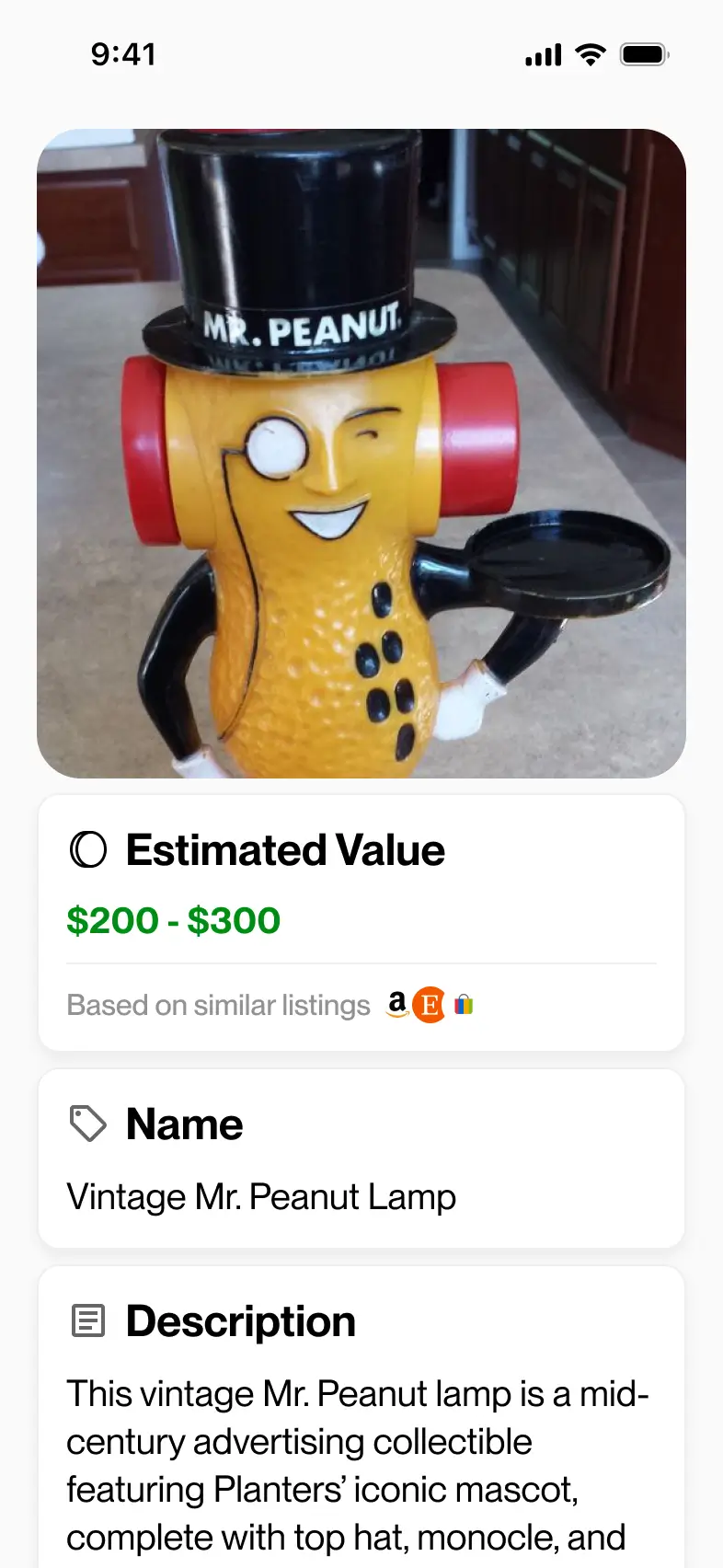
One of the most effective ways to use this technology is through the Relic app. Relic is an antique identifier that simplifies the entire research process. Instead of guessing or searching through endless forums, you simply take or upload a photo of your brooch. The app uses advanced AI to provide a real appraisal, history, and the origin of the item.
What makes this approach superior to a standard search engine is the depth of information. Relic doesn't just give you a name; it provides the historical context that collectors crave. You get a professional-grade look at what you’re holding, which is why it has earned a 4.9-star rating from over 20,000 users. Whether you are a professional dealer or someone who just inherited a grandmother's jewelry box, having an instant appraisal tool changes the game. It replaces the need for hours of library research with a single click.
While AI is incredibly powerful, it works best when you provide it with high-quality visual data. To do that, you need to understand the physical structure of the piece you are scanning. The "bones" of the brooch can tell you just as much as the mark itself.
Structural Clues That Reveal a Maker's Identity
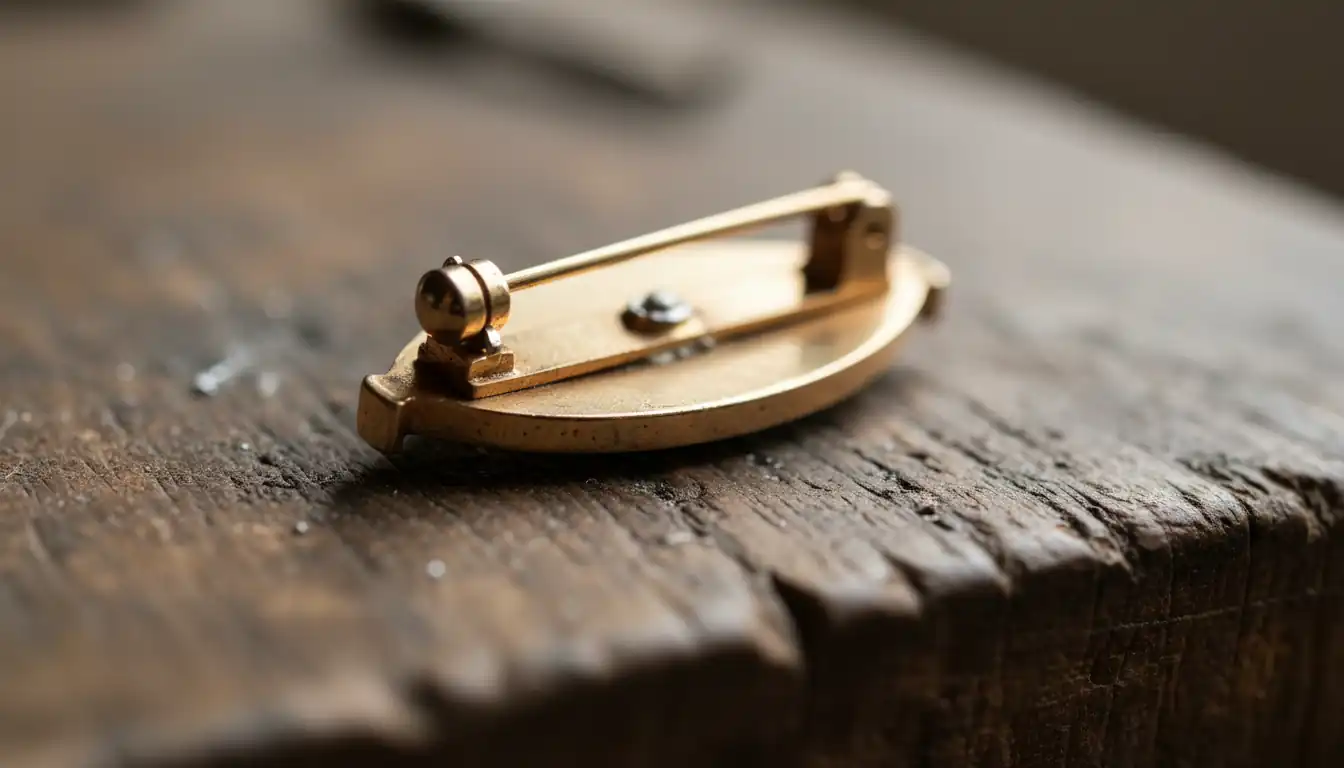
What happens if the brooch has no mark? This is a common problem in the world of vintage jewelry. Marks can wear off over decades of use, or the piece might have been part of a set where only the necklace was signed. In these cases, you have to look at the construction techniques. Specific makers used distinct methods that are just as reliable as a signature.
Analyzing Pin Mechanisms and C-Clasps
The "backstory" of a brooch is literally on its back. The mechanism used to attach the jewelry to clothing has evolved significantly over the last 200 years. By identifying the type of clasp, you can immediately narrow down the era and potential makers.
- The C-Clasp: This is the simplest form, consisting of a long pin that rests in a C-shaped hook. This was the standard before 1900. If you see a C-clasp on a piece that looks modern, it’s likely a reproduction or a very early 20th-century piece from a traditional maker.
- The Trombone Clasp: Named for its pull-out tube mechanism that resembles a trombone, this was patented in Britain in the 1890s. It was widely used by European makers through the 1940s. If you find a trombone clasp, there is a high probability the piece has a French or German origin.
- The Safety Catch: The modern rotating lever catch began appearing around 1910. However, early versions were often handmade and look bulkier than the streamlined versions we see today.
Identifying Stones and Settings Without a Gemologist
Beyond the clasp, look at how the stones are held in place. High-end makers like Miriam Haskell were famous for their intricate wiring. Instead of using glue or standard prongs, Haskell’s artisans would hand-wire beads and pearls onto a filigree metal backing. This "honeycomb" wiring is so distinctive that a Haskell piece can be identified from across a room, even without its signature oval tag.
Another clue is the "foil backing" on rhinestones. Older pieces often have a thin layer of metal foil behind the stone to increase brilliance. If the foil is "open-backed" (meaning you can see the back of the stone), it usually indicates a higher quality of craftsmanship, as the stone had to be of sufficient quality to stand on its own. Makers like Schreiner were known for "inverted" settings, where the rhinestones were placed point-side up. This was a daring design choice that few other makers attempted, making it a definitive structural clue.
Understanding the 'bones' of a piece allows you to identify the maker's hand even when their name is missing.
Determining Market Value and Historical Provenance
Once you have identified the maker—either through a hallmark or structural clues—the next step is understanding what that means for the value of the piece. Identification is the bridge that turns "costume jewelry" into "collectible art."
From Identification to Real-World Appraisal
The market value of a vintage brooch is rarely about the raw materials. Most vintage costume jewelry is made of "pot metal," brass, or silver-toned alloys, and the "diamonds" are usually lead glass (rhinestones). The value lies in the brand name, the rarity of the design, and the historical significance.
A signed piece by a maker like Coco Chanel or Elsa Schiaparelli can be worth ten to twenty times more than an unsigned piece of the exact same style and age. Why? Because collectors are buying a piece of fashion history. When you use a tool like Relic, you aren't just getting a name; you're getting a market-ready appraisal. This helps you understand if that $20 flea market find is actually a $400 collector's item.
Tracking the History of Iconic Jewelry Houses
Provenance—the record of ownership and origin—is the ultimate goal for any serious collector. Knowing that a brooch was produced by the House of Dior during the "New Look" era of the late 1940s adds a layer of glamour and value that transcends the physical object.
Some makers, like Hobé, marketed their jewelry as "Jewels of Legendary Splendor," leaning heavily into the idea that their pieces were heirlooms of the future. By identifying the maker, you can track the piece back to specific collections or even advertisements in vintage issues of Vogue or Harper’s Bazaar. This historical context is what professional appraisers use to justify high price tags at auction houses like Sotheby's or Christie's.
| Factor | Impact on Value | Why it Matters |
|---|---|---|
| Signature | High Increase | Confirms brand and authenticity |
| Condition | Moderate Impact | Chips or "dead" stones lower value |
| Rarity | High Increase | Limited production runs are highly sought after |
| Provenance | Extreme Increase | Connection to a famous owner or era adds prestige |
Mastering the Art of the Digital Jewelry Scan
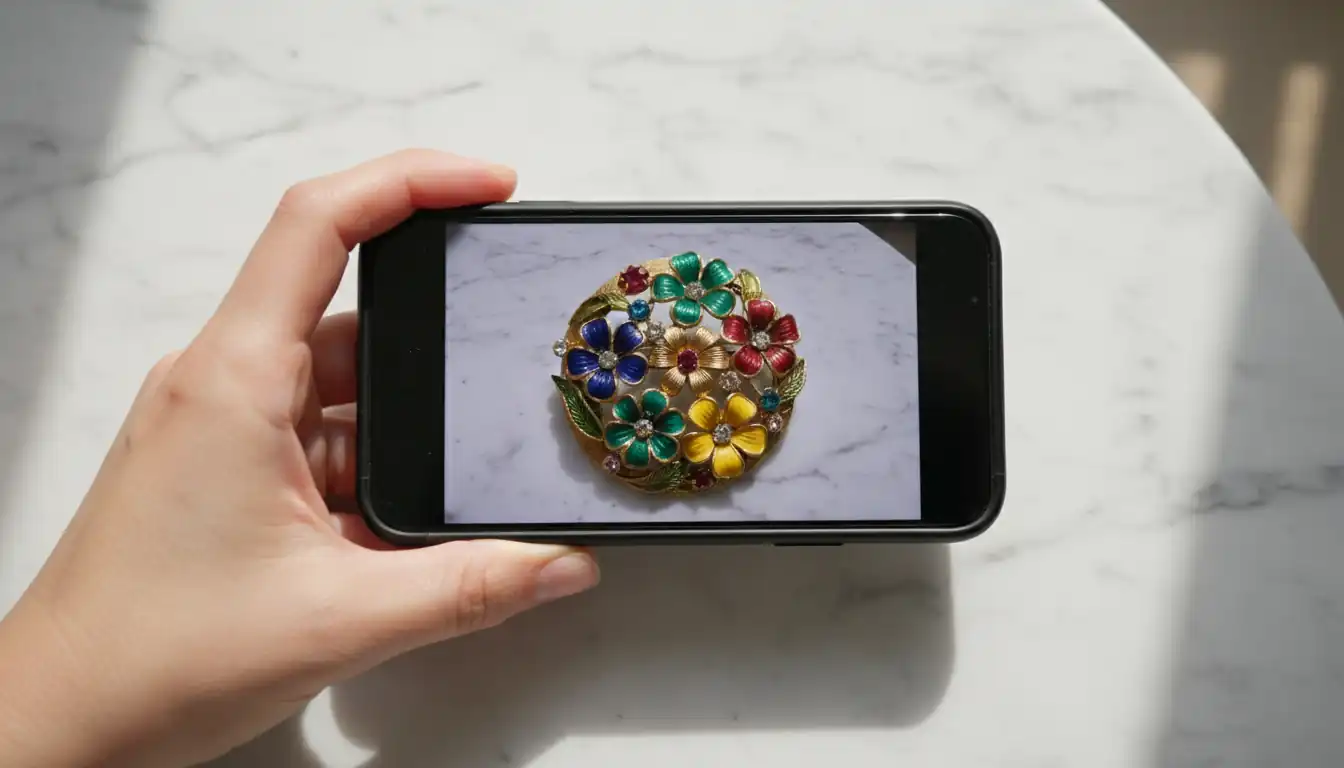
To get the most out of an AI identification tool, you need to think like a photographer. The AI is only as good as the image you provide. If the photo is blurry, dark, or full of glare, the computer vision won't be able to "read" the hallmarks or the construction details.
Lighting and Angle Tips for Macro Photography
The biggest enemy of jewelry photography is glare. Rhinestones and polished metals act like tiny mirrors, reflecting your camera's flash and obscuring the details.
- Use Natural Light: The best photos are taken near a window on a cloudy day. This provides "soft" light that illuminates the piece without creating harsh shadows or bright "hot spots."
- Avoid the Flash: Never use your phone's built-in flash for jewelry. It will wash out the colors and hide the texture of the metal.
- Steady Your Hands: When taking a close-up of a tiny hallmark, even the slightest tremor can cause a blur. Prop your phone on a stack of books or use a small tripod to ensure the image is tack-sharp.
- The Macro Lens: If your phone has a "Macro" mode, use it. This allows the camera to focus on objects just an inch or two away, which is essential for capturing the tiny stamps on a pin stem.
Spotting Modern Reproductions and Fakes
As vintage jewelry has become more valuable, the market has been flooded with "repros"—modern copies of classic designs. Some are honest reproductions, but others are deliberate fakes intended to deceive.
One of the best ways to spot a fake is to look at the hallmark under high magnification. On a genuine vintage piece, the mark was usually stamped into the metal, causing a slight displacement of the material around the edges. On modern fakes, the mark is often "cast" as part of the mold or laser-etched, which looks too perfect and lacks the depth of a physical stamp.
Also, look for "glue slopping." High-end vintage makers used prongs to hold stones. If you see large globs of yellowing glue around the stones, it’s often a sign of a cheap modern copy. By providing a clear, high-resolution photo to the Relic app, the AI can analyze these minute details—like the specific grain of the metal or the type of solder used—to help you distinguish between a mid-century treasure and a modern counterfeit.
Conclusion
Identifying a vintage brooch is a journey that combines the tactile thrill of a detective with the efficiency of modern technology. By learning to spot the hidden hallmarks on a pin stem, recognizing the structural "bones" like the trombone clasp, and understanding the hand-wired techniques of legendary designers, you transform from a casual observer into a knowledgeable collector.
The "best app for identifying jewelry" is one that doesn't just give you a name, but provides the history and value that makes the hobby rewarding. Tools like Relic have made it possible for anyone to access professional-grade appraisals instantly, removing the guesswork from the estate sale circuit.
Next time you find a piece of jewelry that speaks to you, don't leave its identity to chance. Clean the back of the piece, find a patch of soft, natural light, and use your phone to unlock its history. Whether it’s a rare piece of Art Deco history or a beautiful bit of mid-century costume flair, every brooch has a story to tell. Now, you have the secrets to read it.
Identify antiques instantly
Point your camera at any antique, collectible, or vintage item. Get valuations, history, and market insights in seconds.
Download for iPhone