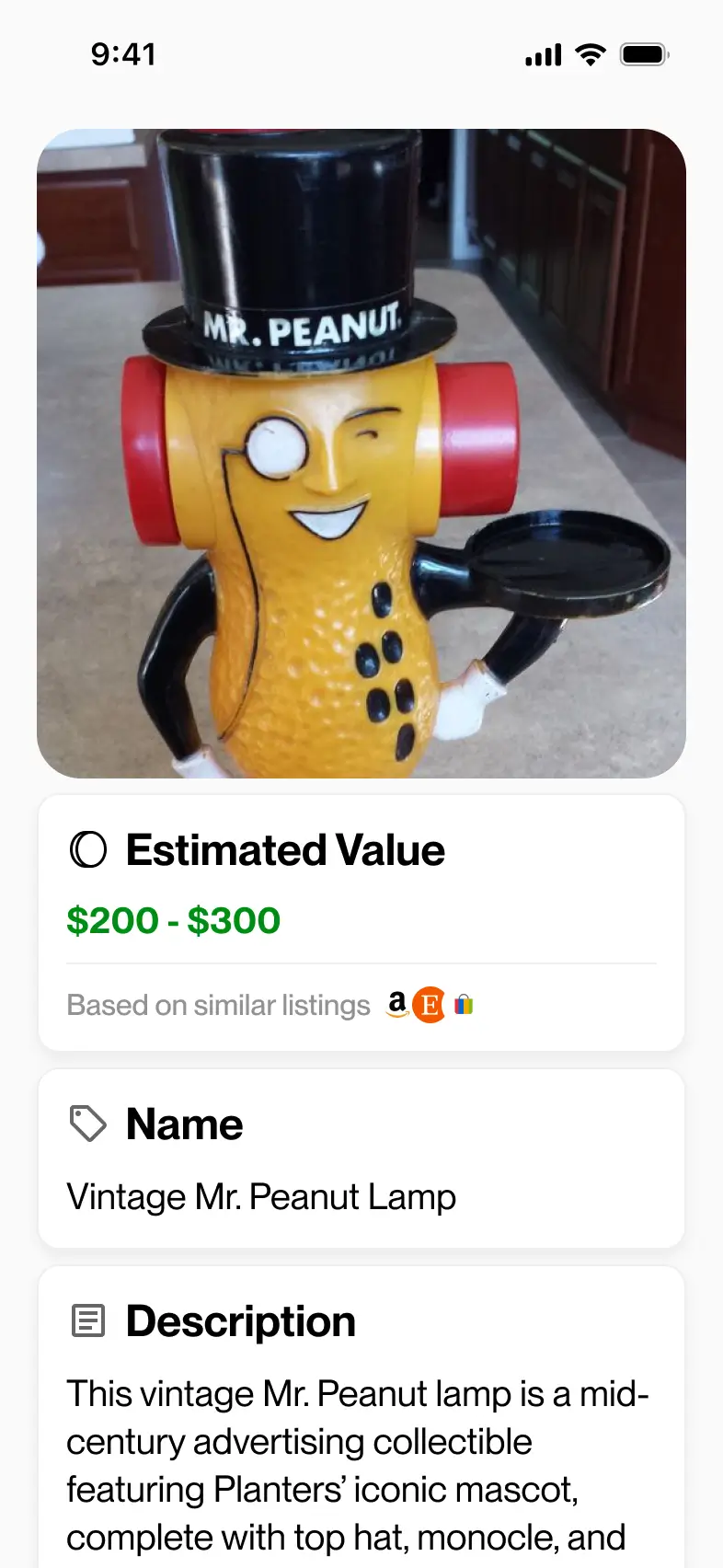
Is That Dusty Spoon Actually Sterling? Use Your Phone to Unlock Hidden Silver Values

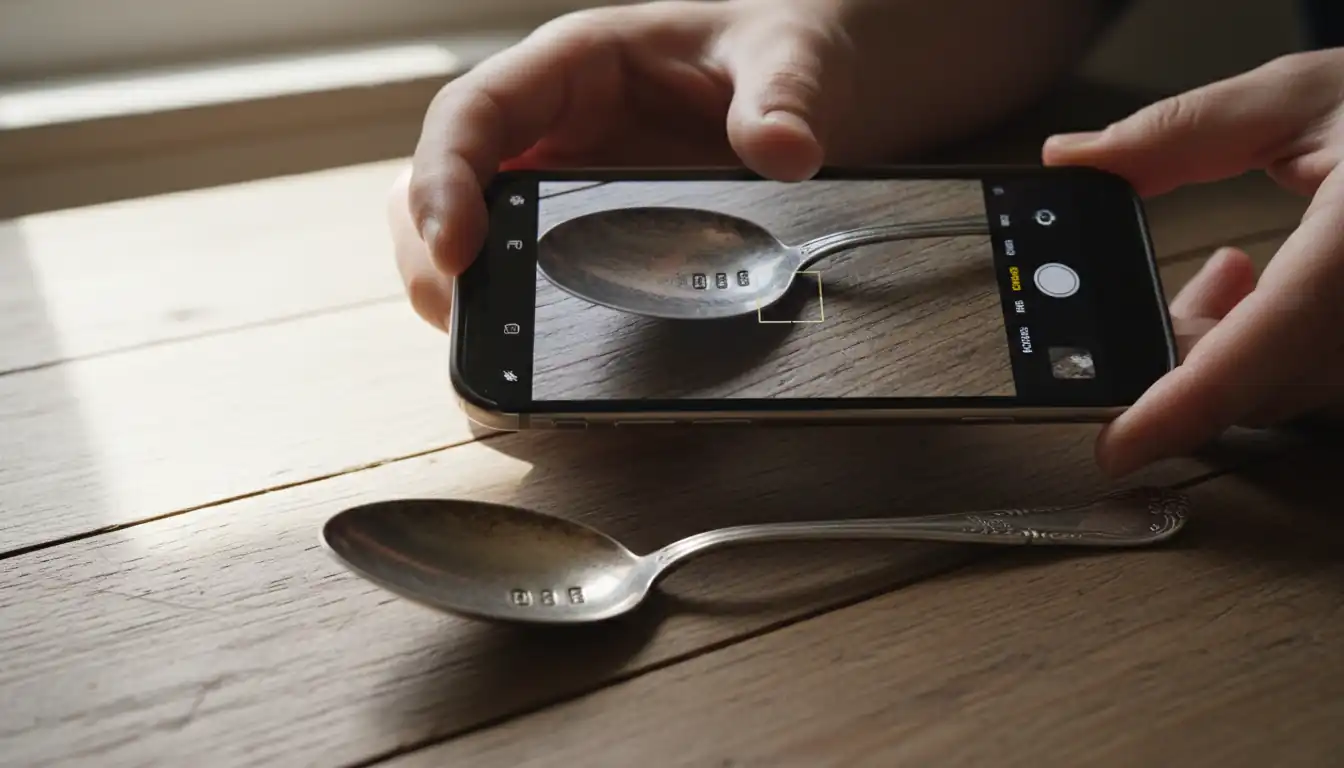
You are standing at a dusty table in the back of an estate sale, holding a heavy, blackened spoon. To the untrained eye, it looks like a piece of discarded kitchenware, destined for a bargain bin. But as you turn it over, you notice a series of tiny, rhythmic indentations stamped into the metal. These aren't just scratches; they are a coded language that has existed for over seven hundred years.
If you can decode those marks, you might discover that the "junk" in your hand is actually a piece of 18th-century sterling silver worth hundreds or even thousands of dollars. On the other hand, it could be a clever Victorian imitation made of base metal and a thin layer of silver. The difference between a massive profit and a wasted twenty dollars lies entirely in your ability to read the metal’s DNA.
In this guide, we will break down the complex world of silver identification. You will learn how to read the traditional marks that define silver quality, why modern forgeries are harder to spot than ever, and how new technology is making it possible for anyone to appraise antiques with professional accuracy. By the time you finish reading, you will know exactly how to turn your smartphone into a high-powered tool for uncovering hidden value.
The Anatomy of a Silver Hallmark
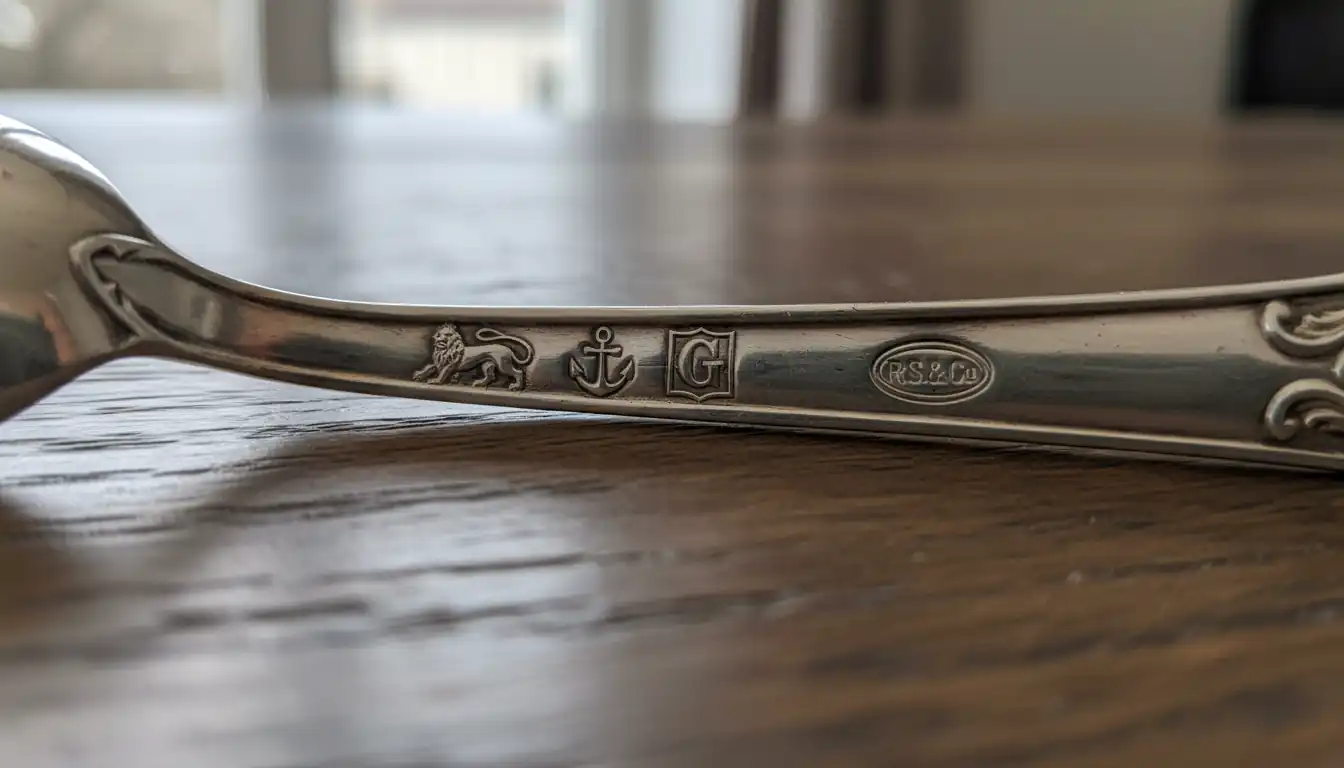
To understand silver, you have to understand the hallmark. A hallmark is an official mark (or series of marks) struck into items made of precious metals. Originally, these were used to protect the public against fraud and to ensure that the crown received its proper taxes. Today, they serve as a permanent record of an item’s purity, origin, and age.
When you look at a piece of British or high-end American silver, you aren't just looking at one stamp. You are looking at a sequence. Each part of that sequence tells a specific part of the story. If one piece of the puzzle is missing or looks "off," it changes the entire value of the object.
Deciphering the Standard Mark and Purity
The most important mark to look for is the standard mark. This tells you the percentage of pure silver in the alloy. Because pure silver is too soft to be used for functional items like forks or bowls, it is mixed with other metals, usually copper, to give it strength.
- Sterling Silver (925): This is the gold standard of silver. It means the item is 92.5% pure silver. In the UK, this is traditionally represented by the "Lion Passant"—a lion walking with one paw raised. In America, you will often see the word "Sterling" or the number "925" stamped directly into the metal.
- Britannia Silver (958): Occasionally, you might find a mark showing a seated figure of Britannia. This indicates a higher purity of 95.8%. This standard was mandatory in England between 1697 and 1720 to prevent people from melting down silver coins to make plate.
- Silver Plate: If you see marks like "EPNS" (Electroplated Nickel Silver) or "EPBM" (Electroplated Britannia Metal), you are looking at a base metal that has been thinly coated in silver. These items generally have very little resale value compared to sterling.
Expert Insight: Never assume an item is silver just because it is heavy. Many silver-plated items use lead or heavy alloys as a core to mimic the "heft" of genuine sterling.
Identifying Maker Marks and Date Letters
Once you have established that the item is sterling, you need to know who made it and when. This is where the identification process becomes a bit like detective work. The maker's mark is usually the initials of the silversmith or the manufacturing company. These marks were registered with the local assay office, and they are unique to each craftsman.
The date letter is perhaps the most fascinating part of the hallmark system. To prevent people from forging marks, assay offices changed the font and the shape of the shield surrounding the letter every year. For example, a "letter A" in a square shield might represent 1796, while a "letter A" in an oval shield with a different font might represent 1816.
| Mark Type | What it Tells You | Common Example |
|---|---|---|
| Standard Mark | Metal Purity | Lion Passant (Sterling) |
| City Mark | Where it was tested | Anchor (Birmingham, UK) |
| Date Letter | The year of manufacture | Gothic 'M' (1847) |
| Maker's Mark | The silversmith | 'PS' (Paul Storr) |
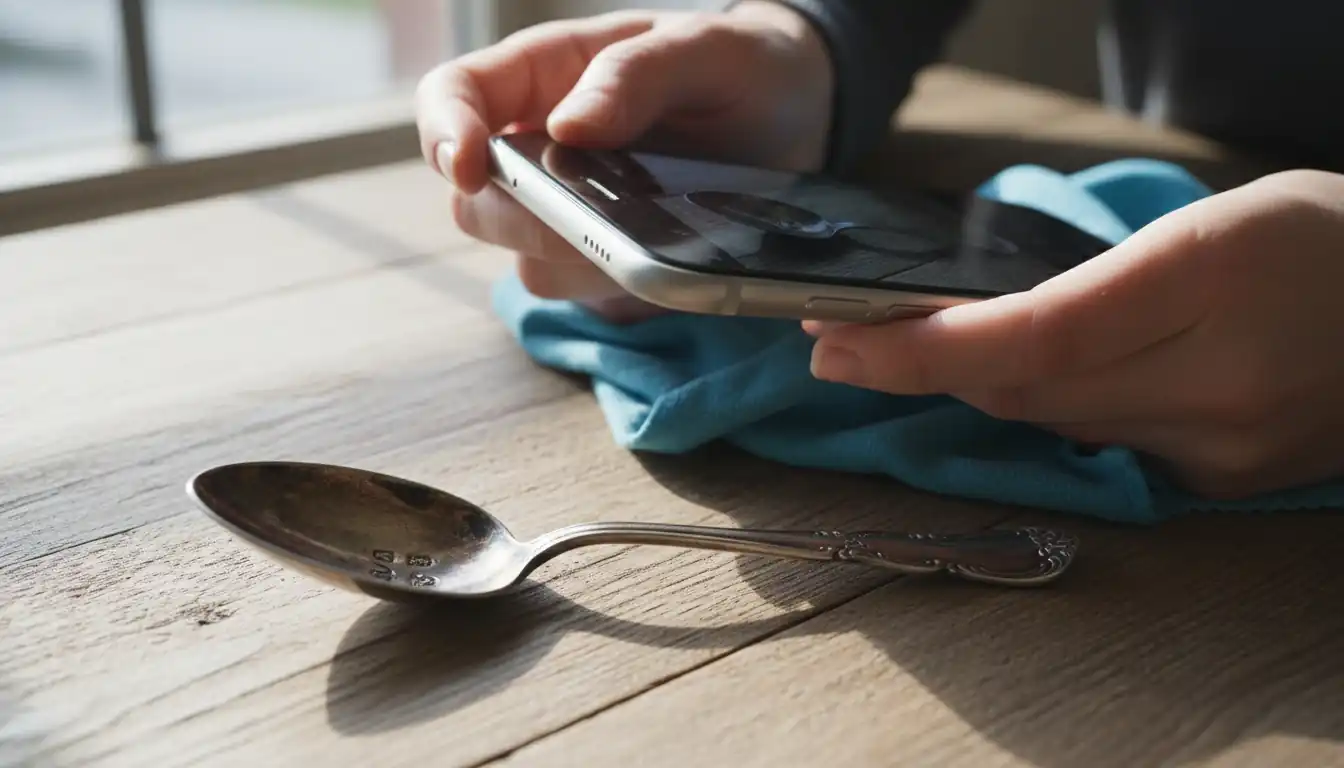
How to identify a silver hallmark? You start by cleaning the area gently with a soft cloth to reveal the details. Then, you identify the standard mark first to confirm it is sterling. From there, you match the city mark and the date letter to a chronological chart. It sounds simple, but as we will see, the human eye often struggles with the tiny, worn details of these stamps.
Why Your Eyes Aren't Enough for Modern Silver Identification
For decades, the only way to identify silver was to carry a magnifying loupe and a massive reference book, such as Jackson’s Hallmarks. You would spend hours squinting at a tiny stamp, trying to decide if a letter was a "J" or an "I," or if the lion’s tail was curved upward or downward. While this traditional method has a certain charm, it is incredibly prone to error.
The reality is that silver wears down. Over a hundred years of polishing, the sharp edges of a hallmark become rounded and faint. A date letter that was once clear can become a mere smudge. When you are dealing with items that could be worth thousands of dollars, "guessing" at a smudge is a dangerous game.
The Rise of Convincing Silver Plate Forgeries
The stakes are even higher because of the history of "pseudo-hallmarks." In the 18th and 19th centuries, some manufacturers wanted their silver-plated items to look like expensive sterling. They couldn't legally use the official marks, so they created stamps that looked remarkably similar to the untrained eye.
They might use a symbol that looks like a lion but is actually a different animal, or a series of shields that mimic the layout of a British hallmark. These forgeries were designed to deceive, and they still do. Many collectors have paid sterling prices for what turned out to be "Hanau" silver—German pieces that often bore fake marks to appeal to the international market.
Limitations of Traditional Reference Books and Loupes
Even if you have the best reference books, you are still limited by your own interpretation. Have you ever looked at a cloud and seen a face, only for someone else to see a tree? Hallmarks are the same. Human bias often leads us to see the mark we want to see. If you find a beautiful teapot, you want it to be from the 1700s, so you might subconsciously convince yourself that the faint mark matches a rare 18th-century date letter.
Furthermore, carrying a library of books to an antique fair or an estate sale is impractical. You need to make decisions in seconds. If you hesitate to look up a mark in a book, another buyer might swoop in and take the item. The speed of the modern market has outpaced the speed of the printed page.
Leveraging AI to Uncover Your Silver's Hidden History
This is where technology changes the game for collectors and dealers alike. We are no longer limited by the strength of our eyesight or the weight of our books. Advanced artificial intelligence can now do in seconds what used to take an expert hours of research.
What tools identify silver hallmarks? While there are many databases online, the most effective tool is a dedicated identification app that uses visual recognition. This is where an app like Relic becomes an essential part of your kit. Instead of flipping through pages of a book, you simply take a high-resolution photo of the hallmark with your iPhone.
How Relic AI Analyzes Microscopic Hallmark Details
The AI behind Relic doesn't just "look" at the photo; it analyzes the geometry of the stamp. It can distinguish between the sharp serif of a 1790s font and the rounded sans-serif of a 1920s font, even if the mark is partially worn away. It compares your photo against a massive database of verified marks, accounting for tarnish, lighting, and the curve of the silver surface.
- Instant Recognition: The AI identifies the maker, the city, and the date almost instantly.
- Tarnish Filtering: The software can often "see through" layers of oxidation that would blind the human eye.
- Contextual History: Relic provides the story behind the mark, telling you about the silversmith's reputation and the historical period.
Moving Beyond Identification to Real-World Appraisal
Identification is only half the battle. Once you know what you have, you need to know what it is worth. Relic goes beyond just naming the item; it provides a real appraisal and market insights. It looks at recent sales data and historical trends to give you an idea of the item's current value.
This is a massive advantage for anyone who sells online or "picks" at estate sales. If you find a piece of silver with a rare maker's mark, Relic can tell you if that specific maker is currently trending with collectors. It turns your phone into a professional appraiser that sits in your pocket, ready to give you a second opinion before you spend a dime. With over 20,000 reviews and a 4.9-star rating, it has become the go-to resource for people who need accuracy in the field.
"The difference between a hobbyist and a professional is the quality of their data. AI provides a level of certainty that manual checking simply cannot match."
Navigating the Labyrinth of International Silver Systems
While the British hallmarking system is the most famous and organized, silver is a global commodity. If you only know how to look for a lion or a leopard's head, you are going to miss out on a massive portion of the market. International silver systems are a labyrinth of different symbols, purity levels, and regional traditions.
In many parts of the world, hallmarking was less about a centralized government office and more about local guilds or individual city standards. This creates a "SERP gap" in many people's knowledge—they know the UK marks, but they are lost when they see a piece of silver from France, Germany, or the Middle East.
Deciphering European and Asian Hallmarking Standards
France, for example, has a completely different system. Instead of a series of four or five marks, they often use a single, very small stamp. The most common is the "Tête de Minerve" (the head of the goddess Minerva). The shape of the frame around Minerva's head tells you if it is .950 or .800 silver.
In Germany and Italy, you will frequently encounter "800" silver. This is 80% pure silver, which is below the sterling standard but still highly collectible. German silver often features a "Crescent Moon and Crown" (Reichskrone und Halbmond), which was the national standard adopted in 1888.
- France: Look for the Minerva head or the Boar's head (for small items).
- Germany: Look for the "800" stamp alongside the moon and crown.
- China: "Export Silver" often features Chinese characters alongside "90" or "925" and was made specifically for the Western market in the 19th century.
Identifying Silver from Africa and the Middle East
Silver from the Middle East and North Africa presents one of the greatest challenges for Western collectors. These marks are often written in Arabic script and may include the name of the ruler, the city, or a specific year from the Islamic calendar.
Without a tool like Relic to cross-reference these international databases, identifying these pieces is nearly impossible for a non-expert. However, these items are often incredibly high quality and can be "sleepers" at auctions because other buyers don't recognize the marks. Being able to identify a piece of Egyptian silver or a Tula silver snuff box from Russia can lead to incredible finds in a market that is obsessed with British sterling.
The Financial Impact of Accurate Hallmark Identification
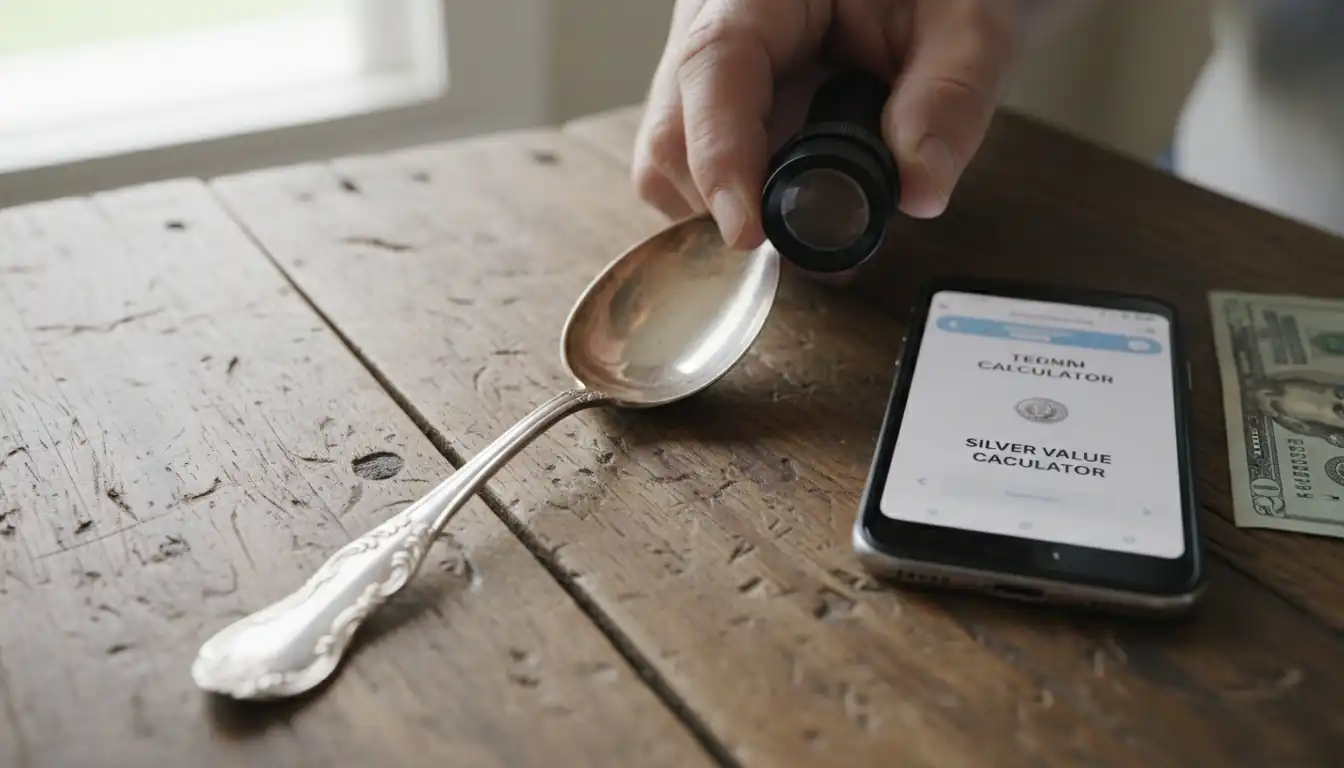
At the end of the day, identifying silver is about more than just history; it is about wealth preservation. There is a massive price discrepancy between "scrap silver" and "collector silver." If you take a silver teapot to a local "We Buy Gold" shop, they will likely weigh it and offer you a price based on the current market value of the metal.
However, if that teapot has the hallmark of a master silversmith like Paul Storr or Hester Bateman, its value as a work of art could be ten or twenty times its weight in silver. If you don't know how to identify that mark, you are literally leaving thousands of dollars on the table.
Avoiding the Scrap Value Trap at Estate Sales
Many people make the mistake of thinking that all silver is the same. They see a price per ounce and think they have done their math. But the antique market doesn't work on weight alone.
- Provenance: A hallmark can prove an item belonged to a specific estate or was made for a specific historical event.
- Rarity: Certain date letters or city marks (like the rare Chester or Exeter marks in the UK) are highly sought after by specialists.
- Condition vs. Mark: Sometimes, a piece in poor condition is still valuable because the hallmark is rare and clear.
By using an app to verify the mark on the spot, you can decide whether to buy an item for its artistic value or pass on it because it is merely common scrap. This "instant appraisal" capability is what allows professional dealers to maintain their margins and find the "diamonds in the rough."
Documenting Your Collection for Insurance and Resale
Once you have identified your silver, the work isn't done. You need a record of it. If your home were ever burglarized or damaged by fire, an insurance company will require proof of what you owned. A blurry photo of a silver tray isn't enough; they need to know the purity, the maker, and the appraised value.
Relic allows you to create a digital archive of your scans. You can save the history, the origin, and the appraisal data for every item you identify. This not only protects your investment for insurance purposes but also makes it much easier to sell the items later. When you can show a potential buyer a professional-grade appraisal and a clear identification of the hallmarks, you can command a much higher price.
The Golden Rule of Silver: Never sell a piece of silver until you have identified every single mark on its surface. The smallest stamp could be the difference between a common spoon and a museum piece.
Conclusion
Identifying silver hallmarks is a skill that combines history, art, and financial strategy. While the basic principles of the standard mark, city mark, and date letter have remained the same for centuries, the way we interpret them has changed forever. You no longer need to be a lifelong scholar to uncover the secrets hidden in a piece of tarnished metal.
By understanding the anatomy of a hallmark and recognizing the limitations of the human eye, you can protect yourself from forgeries and "scrap value" mistakes. Tools like the Relic app bridge the gap between the dusty reference books of the past and the high-speed world of modern collecting. Whether you are a professional dealer looking for your next big flip or a hobbyist who found a strange spoon in the attic, the power to unlock hidden value is now right in your pocket.
Next time you see a piece of silver, don't just look at the shine. Look at the stamps. Take a photo, let the AI do the heavy lifting, and discover the story that has been waiting to be told for centuries. Your next great find is just one scan away.
Identify antiques instantly
Point your camera at any antique, collectible, or vintage item. Get valuations, history, and market insights in seconds.
Download for iPhone