Is Your Attic Hiding a Fortune? The Top-Selling Secondhand Items Right Now

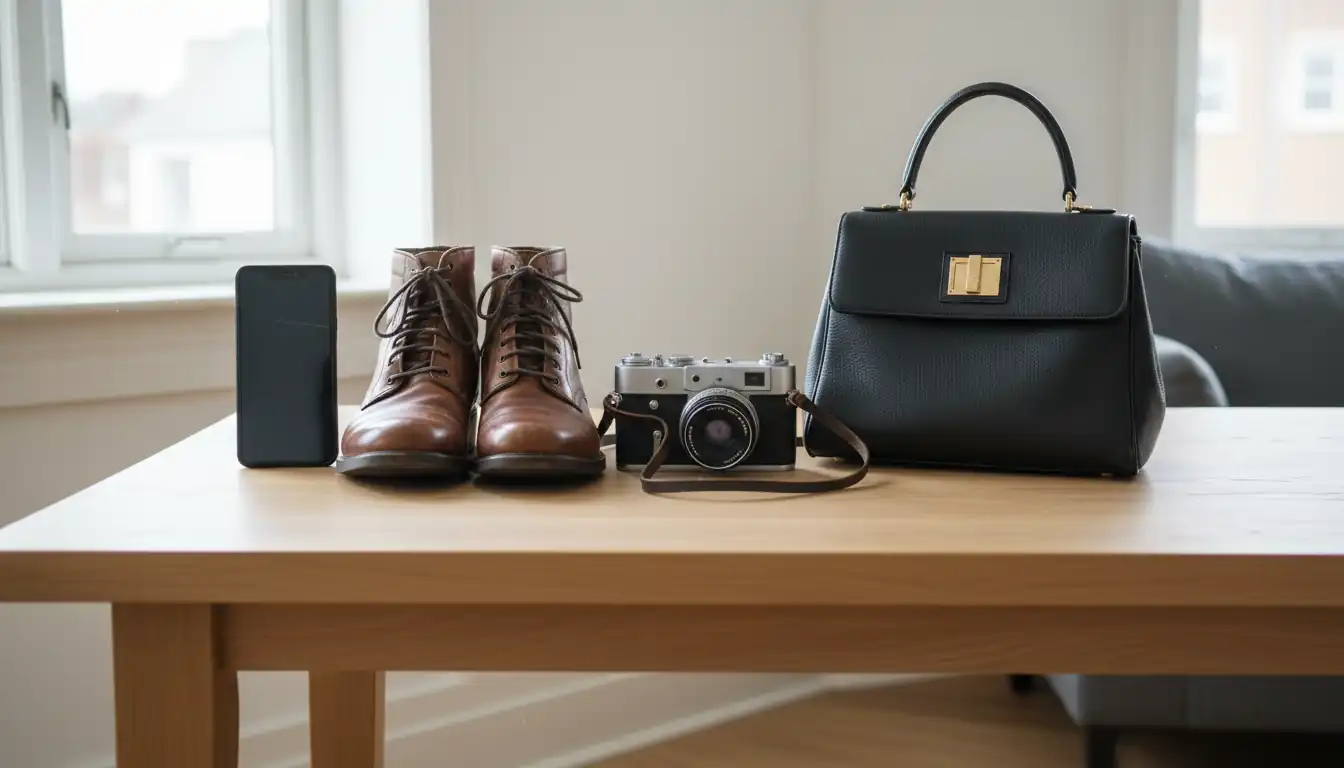
You likely have a small fortune gathering dust in your home right now. It isn’t tucked away in a wall safe or hidden under a floorboard; it’s sitting in that cardboard box in the attic, the one labeled "Old Tech," or perhaps it’s the heavy sideboard in the guest room that you’ve been meaning to replace. The secondary market has shifted from a niche hobby for "pickers" into a multi-billion dollar economy where everyday items can command prices that rival new retail goods.
The trick isn't just finding things to sell; it's knowing which items are "liquid" assets that move in days and which are "investments" that require the right buyer. Most people overlook high-value items because they don't look like treasures. A scratched-up guitar pedal or a discontinued perfume bottle might look like clutter to the untrained eye, but to a collector, they represent a specific, hard-to-find value.
By the time you finish reading this, you’ll know how to audit your home like a professional appraiser. We are going to break down the high-velocity winners in tech and fashion, the aesthetic pieces that interior designers are hunting for, and the hidden gems in the antique world that require a closer look. You’ll also learn how to use modern tools to ensure you never leave money on the table.
High Volume Winners in Tech and Apparel
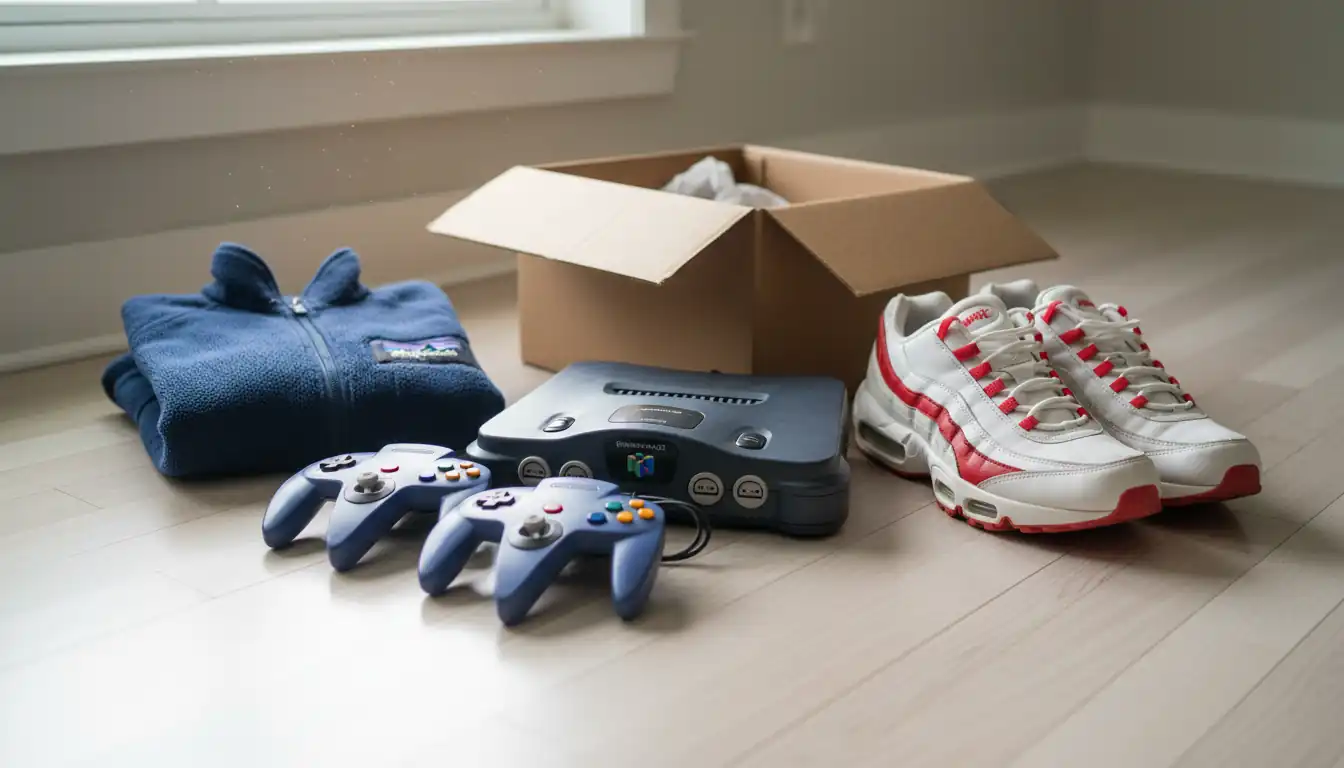
If you want to turn clutter into cash quickly, you start with tech and clothes. These are the "high-velocity" categories. In the world of reselling, velocity refers to how fast an item moves from "listed" to "sold." While a rare oil painting might sit for months waiting for the right gallery buyer, a well-priced iPhone or a pair of limited-edition sneakers can sell in under an hour.
Consumer Electronics and Component Parts
Electronics are consistently the top-selling category on platforms like eBay and Mercari. Why? Because technology has a built-in obsolescence that creates a constant cycle of upgrading. However, just because a device is "old" to you doesn't mean it lacks value. In fact, the secondary market for electronics is often driven by people who prefer specific older models or need parts for repairs.
Smartphones and Tablets: These are the gold standard of resale. Even a cracked iPhone 12 or 13 retains significant value because the screens and internal logic boards are harvested for parts. If you have a functional, unlocked phone from the last three years, you are essentially holding a stack of hundred-dollar bills.
Gaming Consoles and Accessories: The demand for gaming hardware rarely dips. While the latest PlayStation or Xbox models sell well, don't ignore the "middle-aged" tech. Nintendo Switch consoles, specialized controllers, and even older handhelds like the GameBoy or DS are currently seeing a massive surge in pricing. Collectors are looking for nostalgia, while parents are looking for affordable entry points for their kids.
Internal Components: This is the "secret menu" of tech reselling. If you have an old desktop computer, don't throw the whole tower away. High-end graphics cards (GPUs) from brands like NVIDIA or AMD hold their value remarkably well. Even older RAM sticks or power supplies can be sold to hobbyists building budget PCs.
Pro Tip: When selling tech, always include the original cables and boxes if you have them. A "Complete in Box" (CIB) item can often fetch 20% more than a loose device.
Designer Fashion and Branded Footwear
The apparel market is currently split into two lucrative halves: the "hype" market and the "sustainability" market. Both offer incredible margins if you know which labels to look for.
The Hypebeast Economy: Brands like Nike, Jordan, and Supreme have turned clothing into a tradable commodity. If you have sneakers in your closet that were part of a limited "drop," they might be worth five times what you paid for them. Even used sneakers, provided they are cleaned and well-maintained, have a massive audience on apps like GOAT or Depop.
Sustainable and Heritage Brands: There is a growing movement of buyers who are rejecting "fast fashion" in favor of "buy it for life" quality. Brands like Patagonia, Filson, and Arc'teryx are top sellers because their gear is built to last. A ten-year-old Patagonia fleece often sells for 60-70% of its original retail price because the brand's "Ironclad Guarantee" and reputation for durability make it a safe bet for secondhand buyers.
| Category | Top Brands to Watch | Why They Sell |
|---|---|---|
| Smartphones | Apple, Samsung (S-Series) | High demand, easy to ship |
| Gaming | Nintendo, Sony, NVIDIA | Nostalgia and performance |
| Outdoor Gear | Patagonia, North Face, Arc'teryx | Durability and brand loyalty |
| Streetwear | Nike, Adidas (Yeezy), Stüssy | Scarcity and trend-driven |
The Aesthetic Resale Market for Home and Living
While tech sells fast, furniture and home decor often command the highest individual price tags. We are seeing a massive cultural shift away from the "disposable" furniture found in big-box stores. Buyers are tired of particle board that falls apart after one move. They are looking for "soul"—items with history, weight, and craftsmanship.
Mid-Century Modern and Statement Furniture
If you have furniture from the 1950s, 60s, or 70s, you might be sitting on a goldmine. The Mid-Century Modern (MCM) aesthetic has dominated interior design for over a decade, and it shows no signs of slowing down.
The Teak Factor: Look for furniture made of teak, rosewood, or walnut. These woods have a grain and color that modern manufacturers rarely replicate at an affordable price. A simple teak sideboard or "credenza" that you inherited from a grandparent could easily sell for $800 to $2,500 depending on the designer.
Solid Wood vs. Veneer: Even if it isn't a famous designer piece, solid wood furniture is a winner. Buyers on Facebook Marketplace and Craigslist are specifically searching for "solid wood" because they know they can sand it down and refinish it. A heavy oak dining table or a maple dresser will always outperform a modern laminate version.
Curated Home Decor and Art
You don't need to sell a whole sofa to make a profit. Small "statement" pieces are often easier to ship and have a very high profit-to-effort ratio.
- Brass and Copper: Vintage brass mirrors, candlesticks, and animal figurines are incredibly popular. The "gold" look adds warmth to a room, and buyers love the patina that only comes with age.
- Unique Lighting: Think about the lamps in your house. Are they generic, or do they have a unique shape? Atomic-era desk lamps or oversized ceramic floor lamps are highly sought after by people trying to "curate" their living spaces.
- Original Wall Art: While mass-produced prints have little value, original oil paintings or signed lithographs are different. Even "amateur" art from the mid-20th century has value if the subject matter fits current trends, such as brutalist abstracts or moody landscapes.
The transition from "used furniture" to "valuable antique" is often a thin line. A dusty wooden chair might just be an old chair, or it could be a hand-carved piece from a notable 19th-century workshop. This is where the real money is made—in the ability to distinguish between the common and the rare.
Identifying High Value Antiques and Collectibles
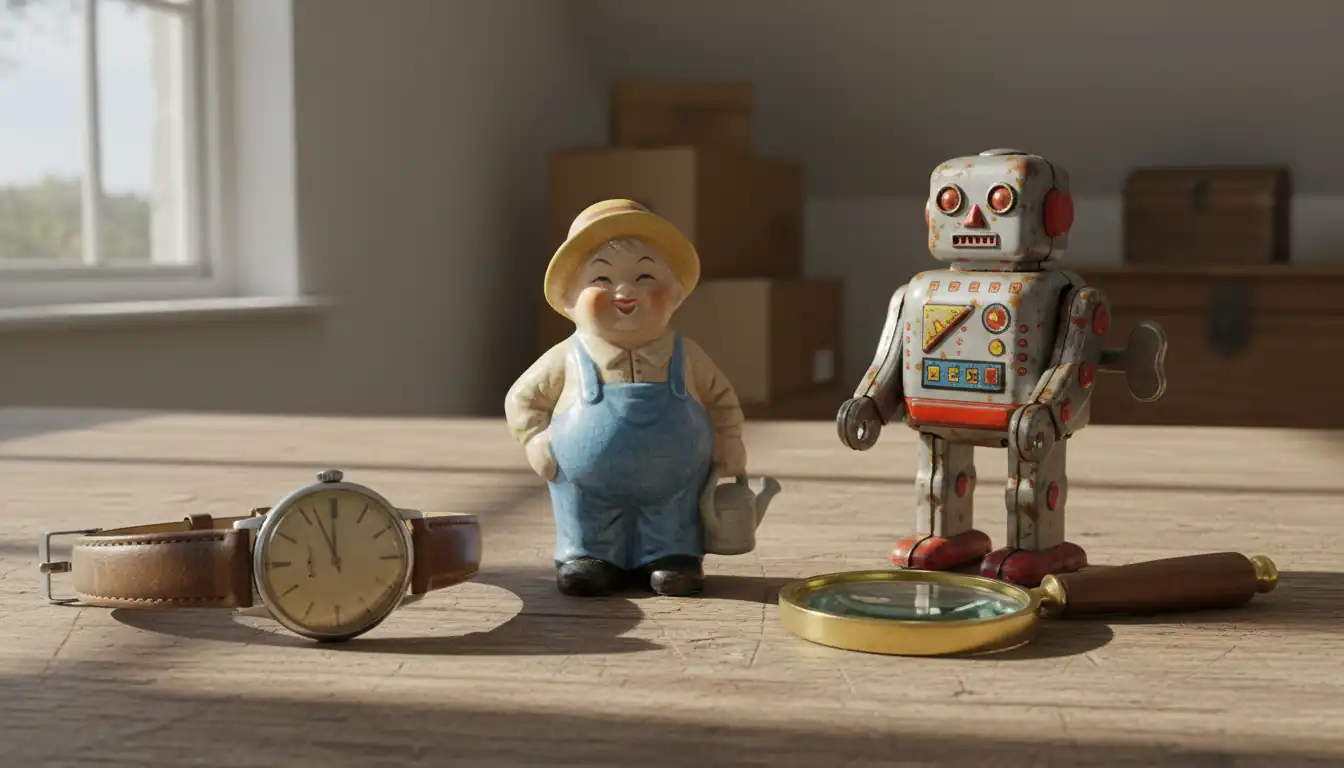
This is the "treasure hunting" phase of reselling. This is where you move away from items with a fixed retail value and into the world of "what will a collector pay?" In this category, "old" doesn't always mean "valuable," but "rare" and "authentic" always do.
Jewelry, Timepieces, and Precious Metals
Jewelry is perhaps the most misunderstood category in the secondhand market. Many people assume that if it isn't diamonds and gold, it's junk. That is a costly mistake.
Identifying Hallmarks: Always look at the clasp or the inside of a ring. Small stamps like "925" (sterling silver), "14k" or "585" (14-karat gold) are the first indicators of value. But don't stop there. Designer signatures like "Tiffany & Co," "Cartier," or even vintage costume jewelry makers like "Trifari" or "Miriam Haskell" can make a non-precious metal piece worth hundreds of dollars.
The Watch Market: Mechanical watches—the ones you have to wind or that move with your wrist—are currently seeing a massive resurgence. Even if the watch isn't running, a vintage Seiko, Omega, or Longines can be worth a significant amount to a restorer.
Rare Toys and Physical Media
Your childhood toy box might be more valuable than your 401k (okay, maybe not quite, but it's close).
- Vintage Toys: Action figures from the 70s and 80s (Star Wars, G.I. Joe, Transformers) are blue-chip assets in the collector world. The condition is everything here. An "out of the box" figure might be worth $20, while the same figure still on its original cardboard backing could be worth $2,000.
- Vinyl Records: The "vinyl revival" is real. While common records by The Beatles or Elvis were pressed in the millions and aren't worth much, niche genres like 90s hip-hop, original jazz pressings (Blue Note label), or "private press" folk records are in high demand.
How to Know What You Have: The biggest hurdle in the antique world is identification. How do you tell the difference between a $10 glass vase and a $500 piece of hand-blown Murano glass? This is where technology bridges the gap.
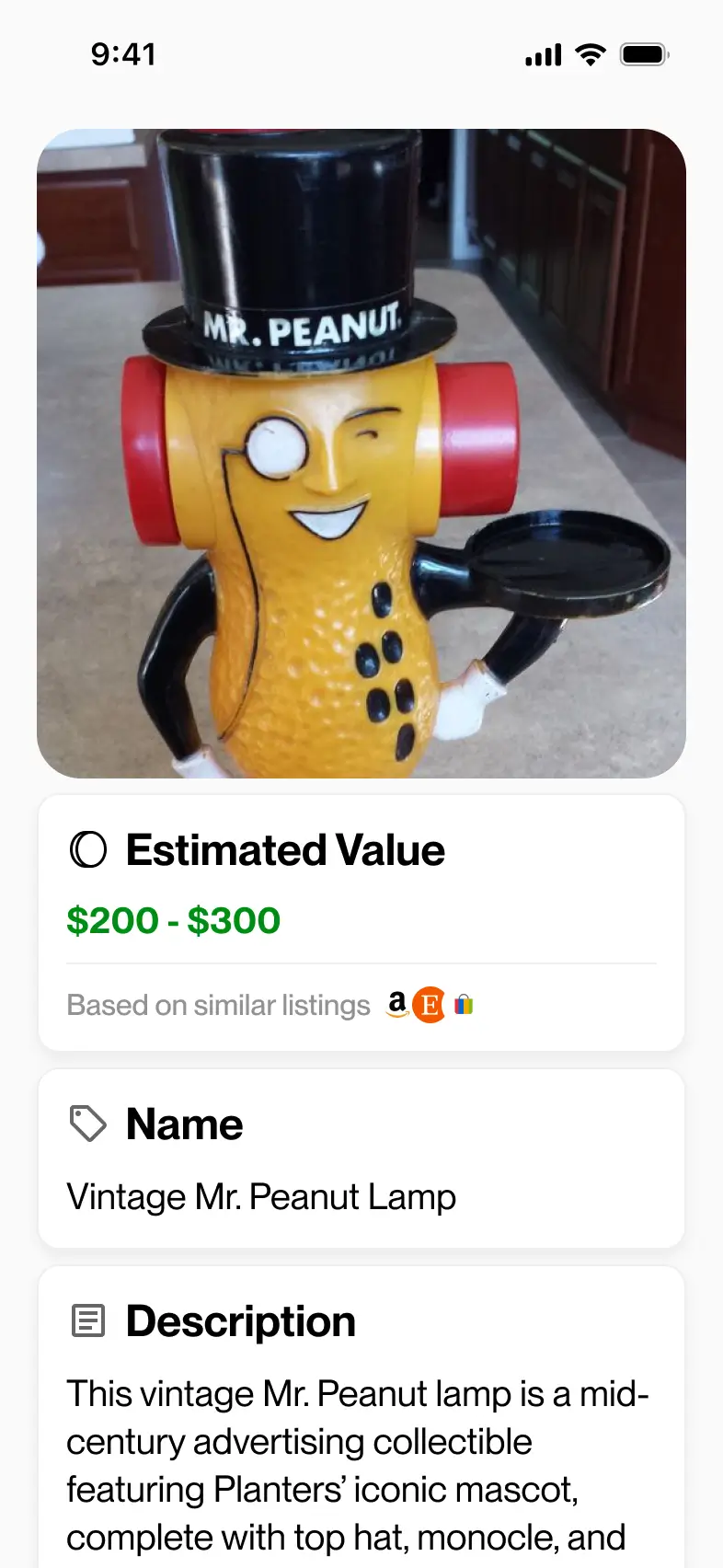
The Relic app is a specialized tool designed specifically for this moment. Instead of spending hours scrolling through confusing forum posts or trying to describe a "blue vase with flowers" to Google, you simply take a photo. Relic uses advanced AI to analyze the item, providing a real appraisal, historical context, and the origin of the piece.
Imagine you’re at a garage sale and see a dusty brooch. It looks like plastic, but something about the weight feels different. You snap a photo with Relic, and the AI identifies it as "Bakelite" from the 1930s, giving you an instant market valuation. With over 20,000 reviews and a 4.9-star rating, it’s like having a professional appraiser in your pocket. It turns "I think this is cool" into "I know this is valuable."
"The difference between a picker and a professional is the quality of their information."
Seasonal and Niche Hobbyist Markets
To maximize your profit, you have to understand the "Enthusiast." These are buyers who aren't just looking for a deal; they are looking for specific gear to fuel their passions. They are often willing to pay more for secondhand items if it means getting a premium brand they couldn't otherwise afford.
Premium Sporting Goods and Outdoor Gear
Sporting goods are highly seasonal. If you try to sell skis in July, you’ll get pennies on the dollar. If you sell them in November, you’ll have a bidding war.
- The "New Year, New Me" Surge: In January, fitness equipment like Pelotons, Concept2 rowers, and high-end dumbbells fly off the shelves. People are looking to build home gyms without paying the massive shipping fees associated with new equipment.
- Specialized Cycling: Mountain bikes and road bikes from brands like Specialized, Trek, or Cannondale hold their value incredibly well. Even the components—like a high-end Shimano gear set—can be sold individually to enthusiasts who build their own bikes.
- Golf Clubs: This is a year-round market in many places, but it peaks in the spring. Look for "iron sets" from Titleist, TaylorMade, or Callaway. A set that is 3-5 years old is the "sweet spot" for buyers who want modern technology at a 50% discount.
Health and Beauty Resale Trends
This is a market many resellers completely overlook because it feels "personal." However, there is a massive secondary market for high-end, unopened beauty products.
Discontinued Fragrances: This is the "white whale" of the beauty market. When a luxury brand like Tom Ford, Chanel, or even a mid-tier brand like Bath & Body Works discontinues a specific scent, the price for remaining bottles skyrockets. People are deeply loyal to their "signature scent" and will pay a massive premium to secure one last bottle.
Luxury Skincare: Unopened, sealed products from brands like La Mer, SkinCeuticals, or Drunk Elephant are top sellers. Because these products are so expensive at retail ($100-$400 per jar), buyers constantly hunt for "new in box" items on the secondary market to save 20-30%.
| Season | Best Items to Sell | Target Buyer |
|---|---|---|
| Spring | Golf Clubs, Bicycles, Gardening Tools | Outdoor enthusiasts |
| Summer | Kayaks, Camping Gear, Designer Sunglasses | Vacationers |
| Fall | Skis/Snowboards, Heavy Coats (Patagonia) | Winter sports fans |
| Winter | Home Gym Equipment, Game Consoles | New Year's resolutioners |
The Pro Reseller Toolkit for Maximum Profit
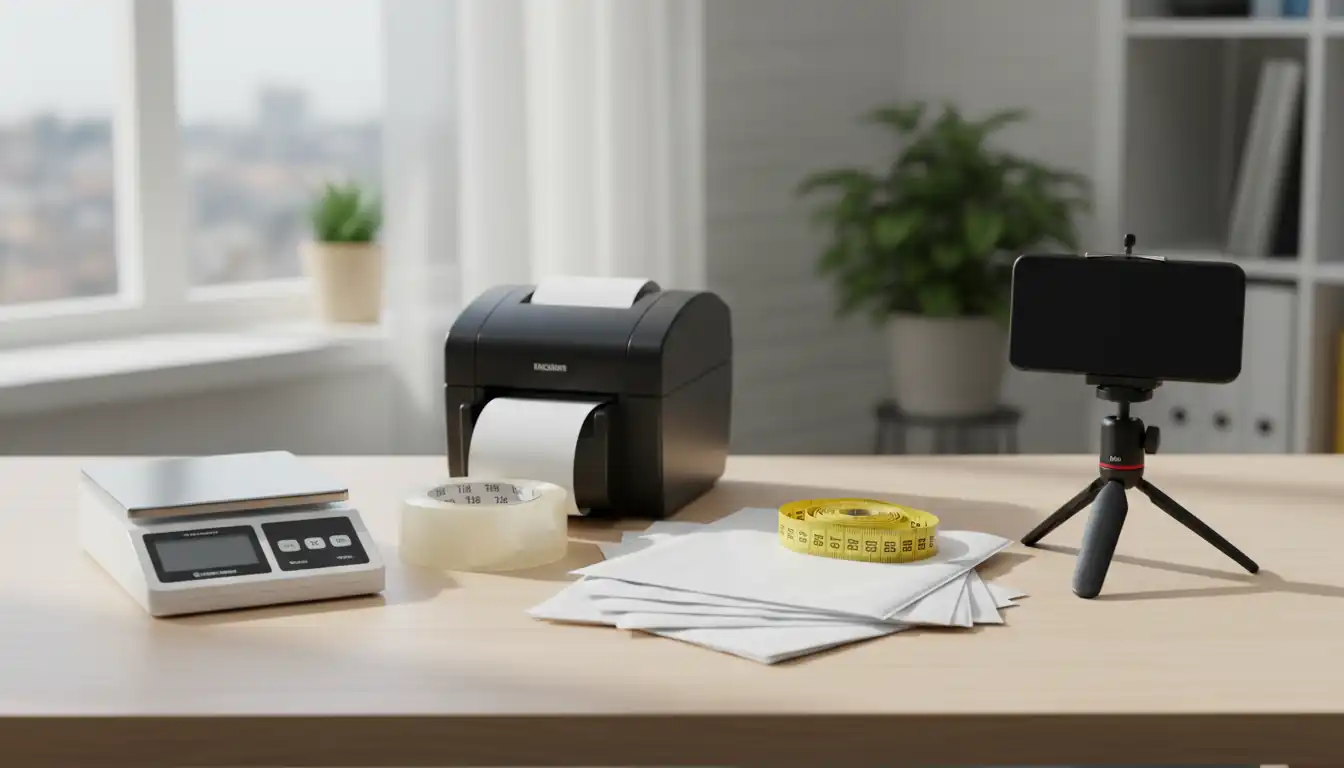
Finding the item is only half the battle. To actually get the "fortune" hiding in your attic, you have to present it in a way that justifies a high price. Professional reselling is about building trust with a stranger over the internet.
AI-Powered Authentication and Research
The most common mistake beginners make is "under-listing." They find an old watch, see one similar on eBay for $50, and list it for $45 to get a quick sale. Later, they realize their specific model was a rare variant worth $500.
This is why the research phase is non-negotiable. You need to know the "provenance" or the history of what you’re selling. Using the Relic app during this phase is a massive advantage. When you use Relic to identify an item, you aren't just getting a name; you're getting the historical context and origin.
When you write your listing, you can include these details: "This isn't just a 19th-century vase; it's a hand-painted piece from the Stourbridge region of England, known for this specific glass-layering technique." That level of detail transforms you from a "person selling junk" into an "authoritative seller." Buyers are willing to pay a premium when they feel they are buying from someone who knows exactly what they have.
Strategic Listing and Photography Techniques
You are selling an image before you sell a product. If your photos are dark, blurry, or show a cluttered background, buyers will assume the item hasn't been cared for.
- The "Hero" Shot: Your first photo should be on a clean, neutral background. A white foam board or a simple wooden floor works wonders. Use natural light—set up near a window during the day.
- Show the Flaws: This sounds counterintuitive, but showing a scratch or a dent actually increases sales. It builds trust. A buyer who knows exactly what they are getting is less likely to ask for a return or leave a bad review.
- Staging for Emotion: For home decor, show the item "in use." Put a flower in the vase. Drape the vintage quilt over a chair. Help the buyer visualize how that item will look in their home.
The Workflow of a Pro:
- Identify: Use Relic to find out exactly what the item is and what it's worth.
- Clean: A simple microfiber cloth can add $20 to the value of an item.
- Photograph: Take 5-10 clear photos from every angle.
- Describe: Use the data from your research to write a compelling, authoritative description.
- Price: Set your price slightly higher than the "average" to allow for negotiation, or firm if the item is rare.
Conclusion
The items sitting in your attic or garage are more than just memories; they are untapped capital. Whether it's the high-velocity world of tech and sneakers or the slow-burn appreciation of mid-century furniture and rare antiques, there is a buyer for almost everything you own.
The key to success in the modern secondhand market is moving away from guesswork. By understanding which brands hold their value—like Nike in the closet or Apple in the drawer—and recognizing the "aesthetic" value of solid wood and brass, you can spot opportunities that others miss.
Most importantly, don't let the fear of "not knowing" stop you. Tools like the Relic app have leveled the playing field, giving you the same analytical power as a high-end auction house. You can scan, identify, and appraise your way through your home in a single afternoon.
So, go grab that box from the attic. Take out that dusty vase or the old watch that hasn't ticked in years. Open your phone, get a clear look at what you really have, and start turning your "clutter" into the fortune it was always meant to be. Your first big sale is likely only a photo away.
Identify antiques instantly
Point your camera at any antique, collectible, or vintage item. Get valuations, history, and market insights in seconds.
Download for iPhone