Is Your Heirloom Silver a Hidden Fortune? Use AI to Find Out Instantly

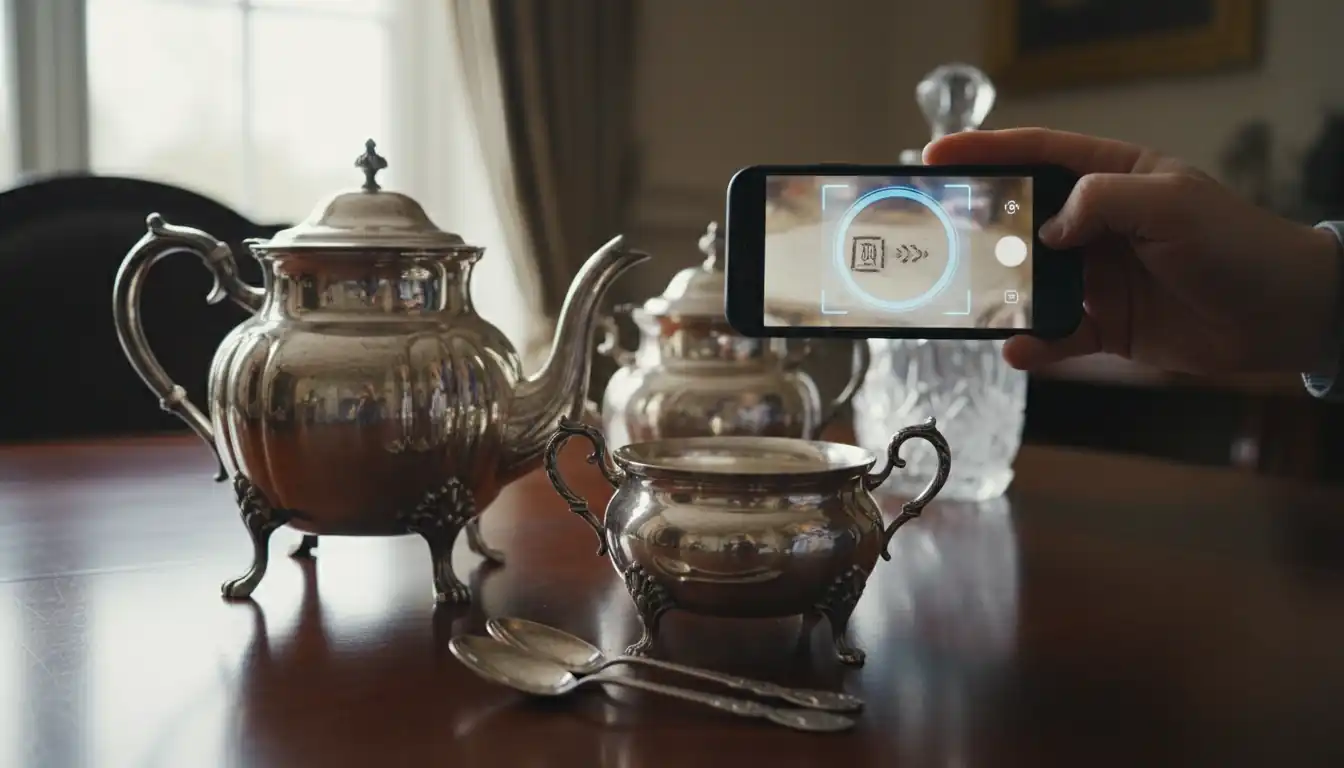
That heavy, tarnished tea set sitting in the back of your cupboard might be more than just a family hand-me-down. For decades, these items have been passed from generation to generation, often losing their stories along the way. You might know it belonged to a great-grandmother, but do you know if it was crafted by a master silversmith in London or mass-produced in a 20th-century factory?
The difference between a piece of scrap metal and a museum-quality treasure often comes down to a few tiny, stamped symbols. These marks are easy to miss and even harder to decode without a library of reference books and years of expertise. Most people find themselves stuck between two extremes: paying an expensive appraiser for a "maybe" or letting a potential fortune gather dust.
Fortunately, the way we identify these treasures has changed. You no longer need to be a history professor to understand the metal in your hands. By combining the wisdom of the past with the precision of modern technology, you can uncover the history, origin, and value of your silver in seconds.
Modern Tech Meets Antique Silver
For centuries, identifying silver was a slow, manual process. A collector would squint through a jeweler’s loupe, trying to distinguish a faint lion from a blurry crown. They would then spend hours flipping through massive, dusty directories like Bradbury’s Book of Hallmarks, hoping to find a match. It was a hobby reserved for those with immense patience and even larger libraries.
This traditional approach had a significant flaw: human memory is fallible. Even the most seasoned experts can struggle to recall the specific variations of an 18th-century maker’s mark from a small village in Scotland. When you add in the wear and tear that silver endures over hundreds of years, these marks become even more difficult to read with the naked eye.
From Magnifying Glasses to AI Recognition
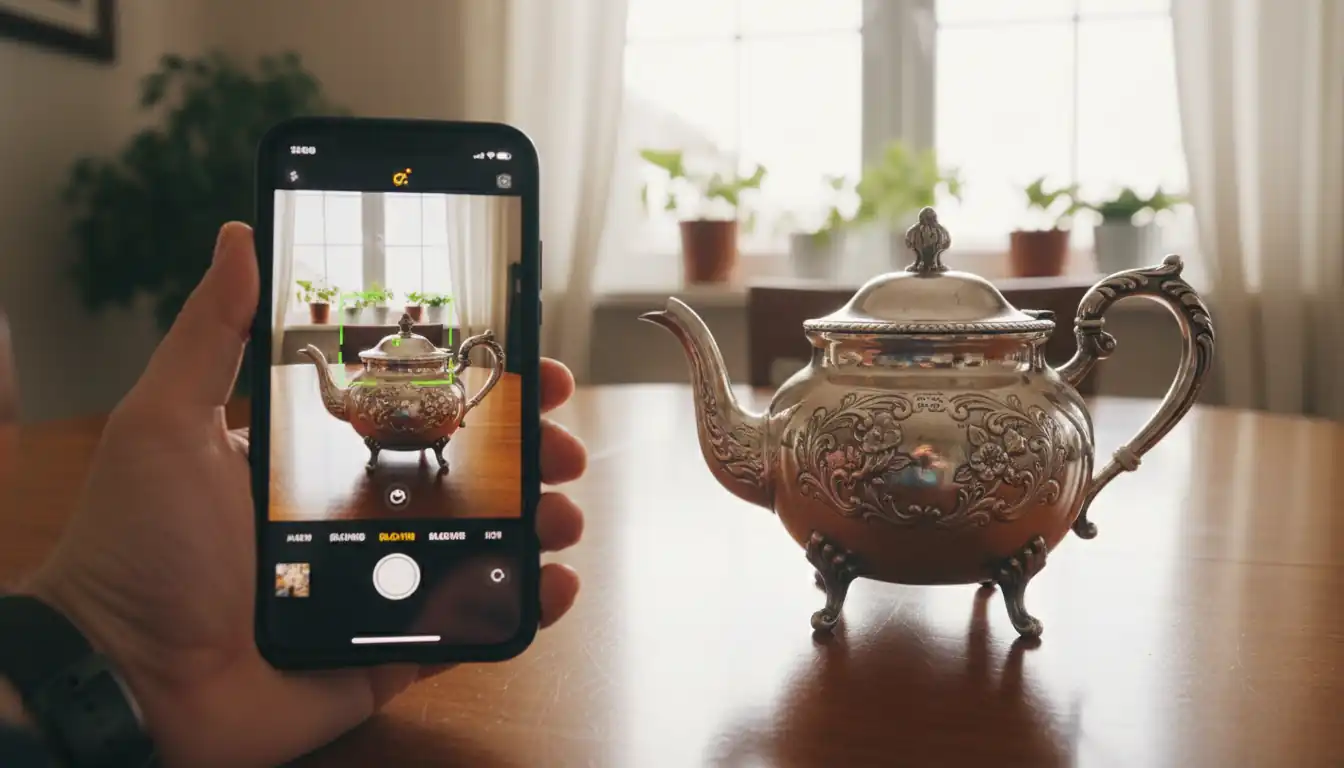
The shift toward digital identification has leveled the playing field for everyone. Computer vision technology can now analyze the geometry of a hallmark with more precision than a human eye. While a person might see a "blurry bird," an AI model can recognize the specific wing structure used by a silversmith in 1740.
This technology works by comparing your photo against a massive database of verified historical marks. It looks for patterns, proportions, and specific stylistic choices that define a certain era or region. This transition from manual searching to instant recognition means that the barrier to entry for antique collecting has effectively disappeared.
How Visual Search Solves the Hallmark Mystery
Many people wonder: is there an app where you can take a picture of an antique to figure out what it is? The answer is a resounding yes. Visual search technology has evolved to handle the specific challenges of reflective surfaces like silver.
- Pattern Matching: AI can identify the specific font and shield shape of a date letter, which tells you exactly what year a piece was made.
- Contextual Analysis: Modern tools don't just look at one mark; they look at the "hallmark group" to ensure the city, maker, and purity marks all align logically.
- Error Reduction: By removing the guesswork, technology prevents you from misidentifying a common silver-plated item as rare solid sterling.
The real power of modern identification isn't just speed; it's the ability to see details that the human eye has been trained to overlook.
Understanding the Marks on Your Metal
Before you start scanning your collection, it helps to understand what those tiny stamps are trying to tell you. Think of hallmarks as a piece of silver’s "passport." They provide proof of where the piece has been, who created it, and what it is actually made of.
Distinguishing Sterling from Silver Plate
The most important distinction you will ever make is between solid sterling silver and silver plate. Sterling silver is an alloy containing 92.5% pure silver. It has intrinsic melt value and historical prestige. Silver plate, on the other hand, is a base metal (like copper or brass) covered in a very thin layer of silver.
| Feature | Sterling Silver | Silver Plate |
|---|---|---|
| Purity Mark | Usually "925," "Sterling," or a Lion Passant | Often marked "EPNS," "A1," or "Triple Plate" |
| Wear Patterns | Wears down to more silver | Wears down to show yellow or red base metal |
| Weight | Generally feels heavier and more "solid" | Can feel lighter or overly "clunky" |
| Sound | Produces a long, high-pitched ring when tapped | Produces a dull "thud" |
If you see the letters "EPNS," you are looking at Electroplated Nickel Silver. While these pieces can be beautiful and have some decorative value, they rarely hold the "hidden fortune" status of solid sterling. AI tools are particularly good at spotting these distinctions by recognizing the specific manufacturer marks associated with plating companies.
Mapping Geographic Origins Through Hallmarks
Silver marking systems vary wildly depending on where the piece was made. Understanding these regional styles helps you provide the best possible data for an identification tool.
- The British System: Perhaps the most organized in the world. Look for a "Lion Passant" (a walking lion) for sterling, a city mark (like a leopard's head for London), and a specific letter for the year.
- The French System: Often uses symbols like a Minerva head or a boar's head. These marks are notoriously small and are often found on the edge of a spoon or the rim of a bowl.
- American Silver: Early American silver often lacks formal hallmarks. Instead, you’ll find a maker’s name (like "Tiffany & Co." or "Gorham") and the word "Sterling."
- Continental Europe: Countries like Germany often used a "decimal" system, stamping "800" or "835" to indicate the silver content.
By knowing where to look—usually the bottom of a vessel, the back of a handle, or the rim of a lid—you can ensure the AI has the right "clues" to work with.
Instant Appraisals with the Relic App
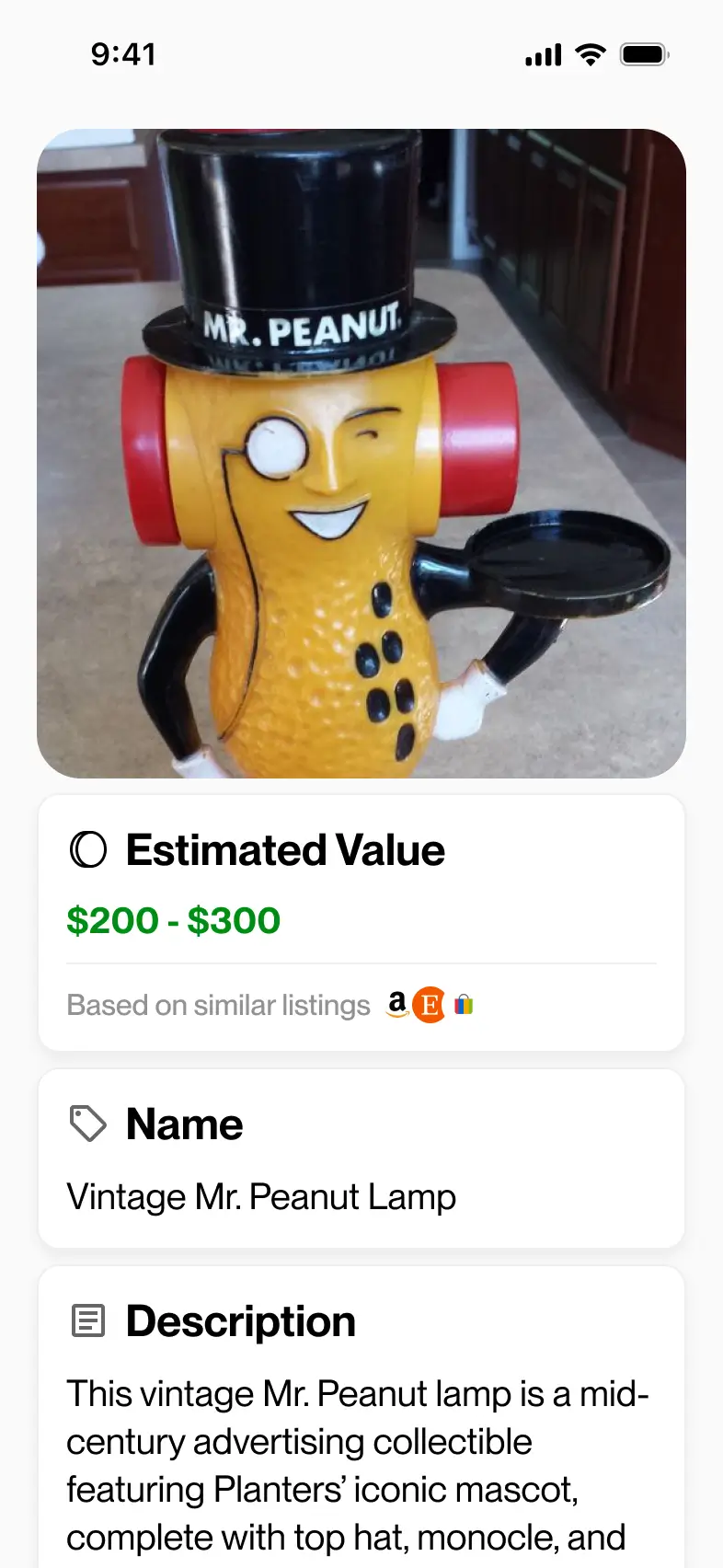
When you are ready to move from curiosity to clarity, the Relic app provides a professional-grade solution right on your iPhone. Relic is an antique identifier that uses advanced AI to provide a real appraisal, history, and origin of your items. It bridges the gap between a casual photo and a detailed historical report.
Capturing the Perfect Photo for AI Analysis
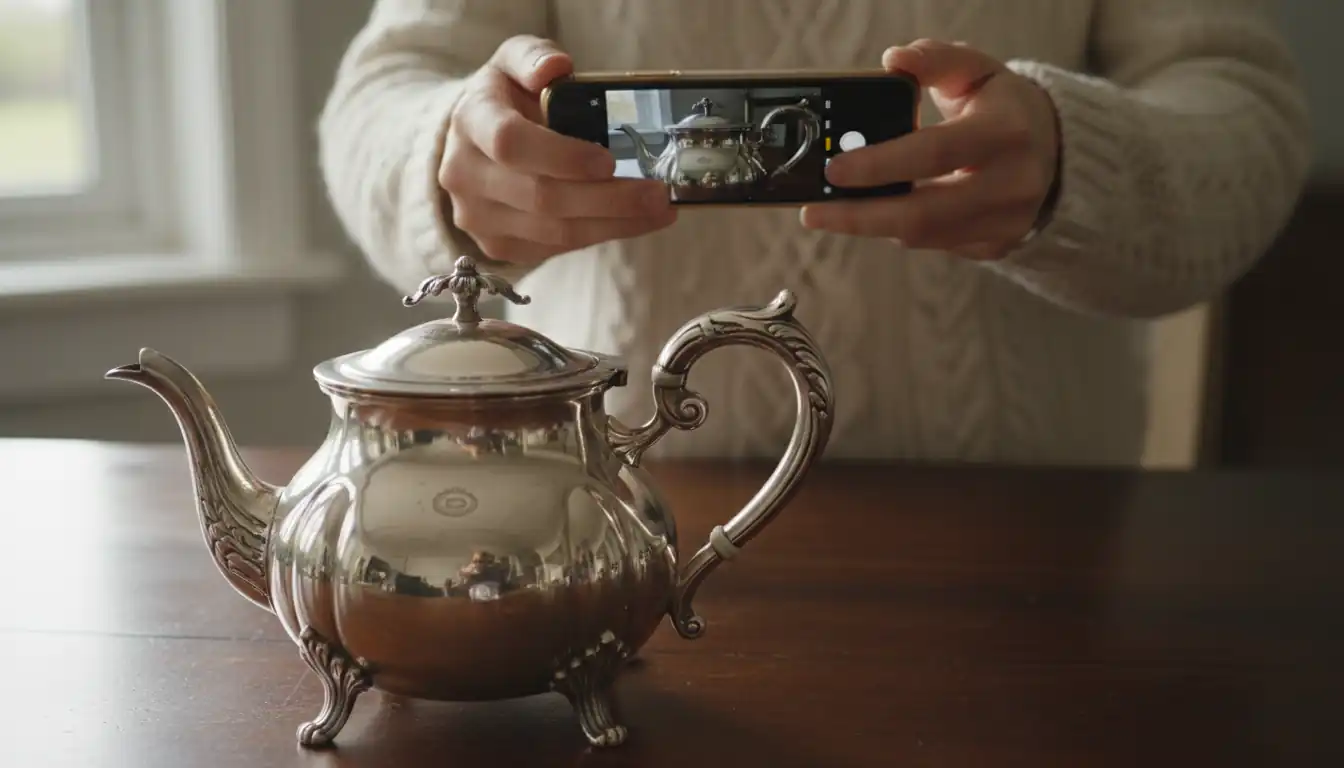
To get the most accurate results from Relic, the quality of your photo is paramount. Silver is notoriously difficult to photograph because its reflective surface can create "hot spots" of light that hide the very marks you need to identify.
- Find Natural Light: Avoid using a direct flash, which creates a white glare. Instead, place your silver near a window with indirect sunlight.
- Use a Neutral Background: A plain, dark cloth (like black velvet or navy blue) helps the AI focus on the silver rather than the wood grain of your table.
- Focus on the Marks: Most silver has a "primary" set of marks. Use the macro lens on your iPhone to get as close as possible while maintaining a sharp focus.
- Steady Your Hands: If the marks are tiny, even a small tremor can blur the image. Prop your phone against a glass or use a small tripod for a crisp shot.
Once you upload the photo to Relic, the AI begins a complex process of "feature extraction." It analyzes the contours of the stamps, compares them to thousands of known makers, and cross-references the style of the piece with historical design trends.
Interpreting Your Origin and History Report
The result isn't just a simple "this is silver" notification. Relic provides a comprehensive report that tells the story of your item. This includes the name of the silversmith, the city of origin, and the specific year of manufacture.
A great appraisal doesn't just give you a price; it gives you a provenance.
The report will often detail the historical context of the piece. For example, if your tea set was made in London in 1815, the report might mention the Regency style popular during that era. Understanding the "why" behind a piece's design adds significant value if you ever decide to sell it or pass it down.
Security and Accessibility in Antique Identification
When you discover that an item in your home might be worth thousands of dollars, privacy becomes a top priority. You are essentially creating a digital map of your most valuable assets. It is vital to use tools that respect this sensitivity.
Protecting Your Collection Data
Relic is designed with a "privacy-first" mindset. The app ensures that your data is not linked to your personal identity in a way that could compromise your security. Your home location and the specific details of your collection remain private.
- Data Encryption: Your photos and reports are stored securely, ensuring that only you have access to your digital catalog.
- No Third-Party Sharing: Your high-value assets aren't turned into marketing data.
- Local Control: You have the power to delete your scan history at any time.
This level of security is essential for collectors who may be sitting on significant wealth. Knowing that your "hidden fortune" stays hidden from everyone but you provides peace of mind as you explore your heirlooms.
Global Databases and Regional Support
Antique silver isn't just a Western phenomenon. There are rich traditions of silversmithing across Africa, the Middle East, and India. Relic supports international users by incorporating global databases into its AI training.
- Middle Eastern Silver: Identifying the intricate "tughra" marks of Ottoman silver or the purity stamps of Egyptian pieces.
- Indian Silver: Recognizing the "swami" style or the specific colonial marks of Calcutta and Madras.
- African Artistry: Tracking the origins of silver trade jewelry and ceremonial pieces from North and West Africa.
This global reach ensures that no matter where your family history began, you have the tools to identify the artifacts they left behind. The app's accessibility features also ensure that the interface is intuitive, regardless of your technical expertise.
Preserving Your Silver Legacy for the Next Generation
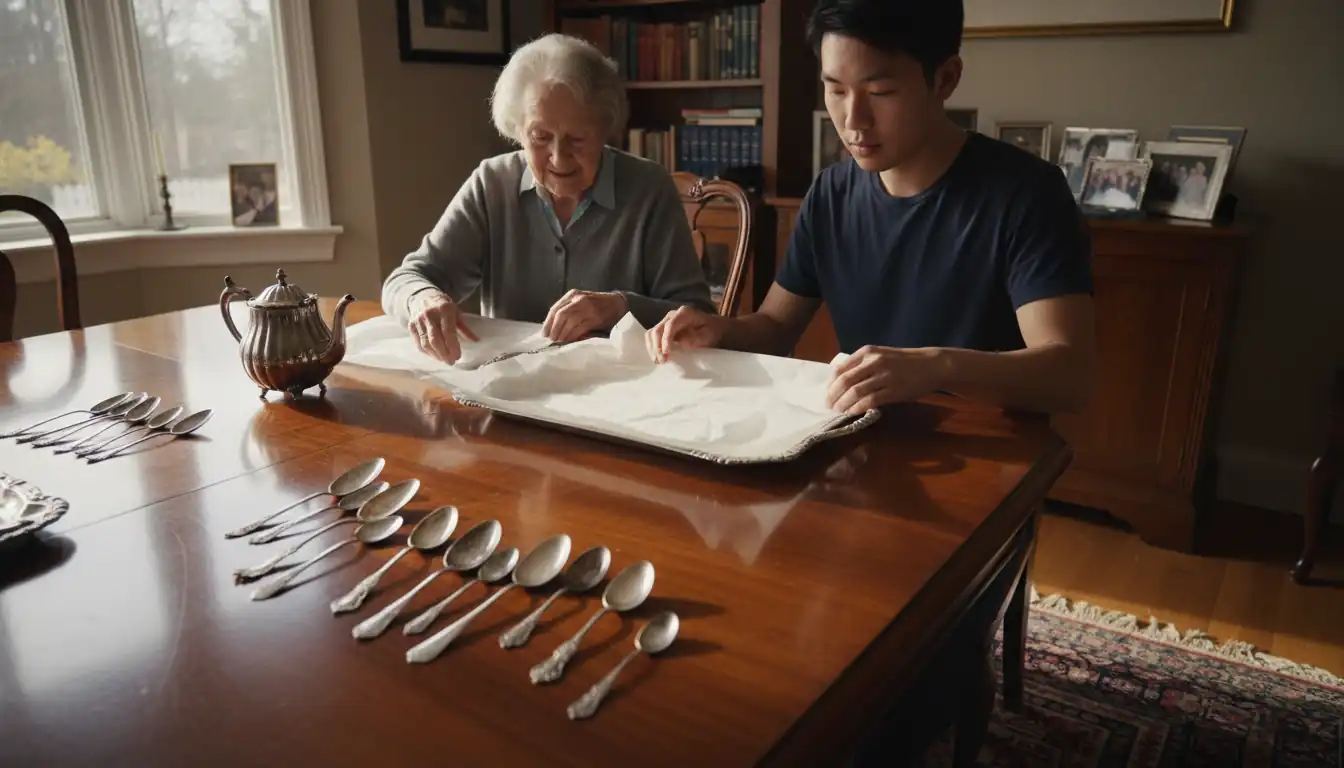
Identifying your silver is only the first step. Once you know what you have, you become the steward of that item’s history. The data you gather today can protect the value of the piece for decades to come.
Digital Cataloging for Insurance and Estate Planning
One of the most practical uses for an app like Relic is creating a digital record for insurance purposes. If your home were ever affected by fire, theft, or natural disaster, having a "digital twin" of your silver collection is invaluable.
- Proof of Value: An AI-backed appraisal provides a baseline for insurance adjusters.
- Estate Organization: When it comes time to plan your estate, you can clearly label which items are valuable heirlooms and which are decorative.
- Exportable Reports: You can export your Relic findings to share with family members or include in legal documents.
By documenting your collection now, you prevent future family disputes and ensure that your heirs understand the significance of what they are inheriting. It turns a "box of old spoons" into a "cataloged collection of 19th-century American coin silver."
Maintenance and Care Tips for Identified Pieces
Different types of silver require different care. A common mistake is treating all "shiny metal" the same way. Once you’ve identified your piece, you can tailor your maintenance to its specific needs.
- Sterling Silver: Regular use is actually good for sterling, as it prevents heavy tarnish from building up. Use a gentle silver cloth rather than harsh chemical dips.
- Silver Plate: Be extremely careful with polishing. Because the silver layer is so thin, over-polishing can "bleed" the silver off, revealing the base metal underneath (a condition known as "bleeding").
- Coin Silver: Often softer than sterling, 19th-century coin silver should be handled with care to avoid dents and scratches.
- Historical Patina: For very old or rare pieces, sometimes a bit of tarnish in the recessed details (the "patina") is actually desirable to collectors. Don't strip the piece back to a mirror finish until you know its historical value.
| Silver Type | Cleaning Priority | Recommended Tool |
|---|---|---|
| Modern Sterling | Removing Tarnish | Microfiber Silver Cloth |
| Antique Plate | Preserving Thin Layer | Very Mild Soap & Water |
| Coin Silver | Avoiding Structural Damage | Professional Conservator |
| Gilt Silver (Vermeil) | Protecting Gold Wash | Soft Cotton Swab only |
Conclusion
Your heirloom silver is a bridge to the past, but you need the right tools to cross it. The days of wondering and guessing are over. By using the Relic app, you can transform your iPhone into a professional appraisal suite, uncovering the hidden stories and values tucked away in your drawers.
Whether you find a rare piece of Paul Revere silver or simply confirm the sentimental value of a family tea set, the clarity you gain is priceless. You aren't just identifying an object; you are securing a piece of your family's financial and cultural history.
Next Steps:
- Download Relic: Get the app on your iOS device to start your first scan.
- Gather Your Items: Bring your silver into a well-lit room.
- Scan and Save: Create your first digital report and begin building your secure, private collection catalog today.
Identify antiques instantly
Point your camera at any antique, collectible, or vintage item. Get valuations, history, and market insights in seconds.
Download for iPhone