Is Your Neighbor Selling a Goldmine? How to Spot High-Value Flips on Facebook Marketplace

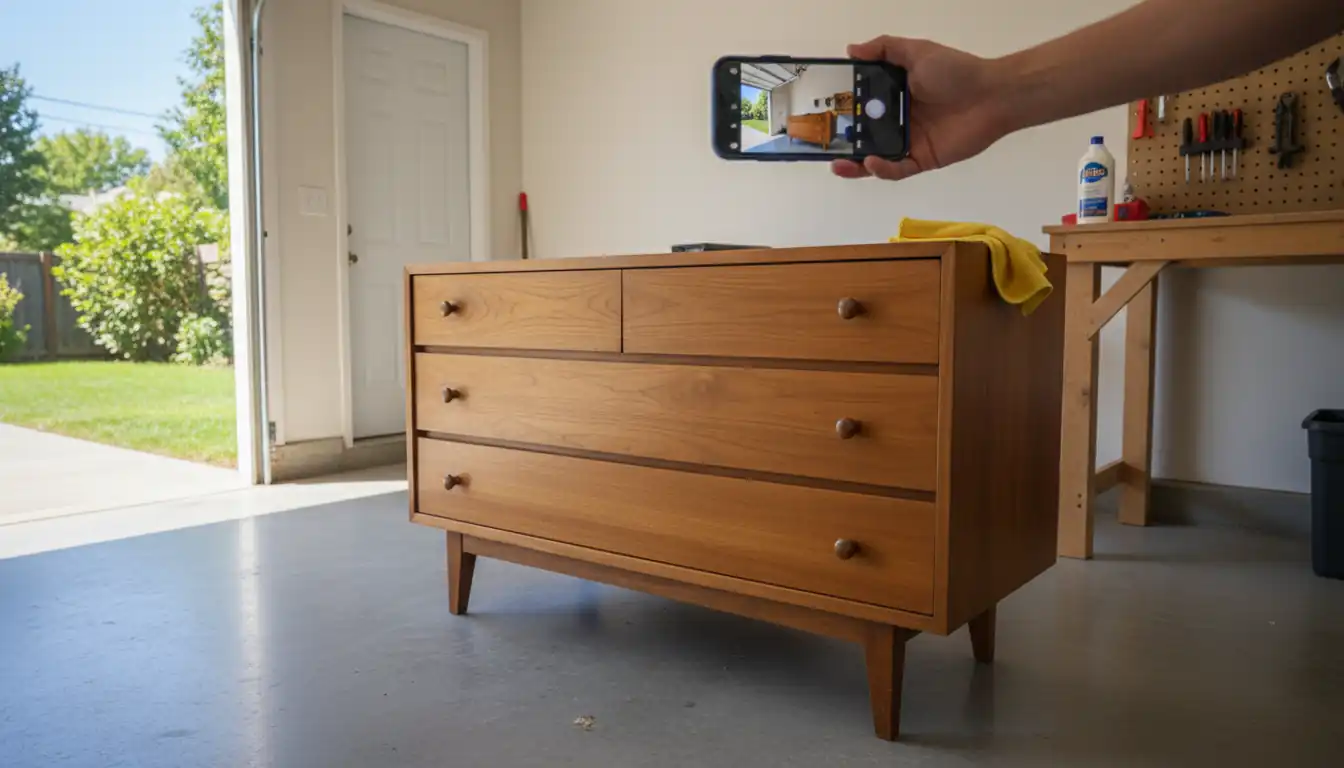
You are scrolling through your phone on a Tuesday evening. Between the memes and the life updates from high school acquaintances, you see it: a dusty, mid-century dresser listed for $40. To most people, it looks like a heavy piece of junk that needs a trip to the landfill. To a seasoned flipper, that dresser represents a $300 profit and a Saturday afternoon well spent.
Is your neighbor selling a goldmine? The short answer is often yes. Facebook Marketplace has transformed from a digital garage sale into a high-velocity trading floor where the observant can build a substantial side income. You don't need a warehouse, a fleet of trucks, or a massive bank account to start. You just need to know how to spot the value that others are literally trying to give away.
This guide will walk you through the mechanics of turning local listings into a reliable stream of cash. We will cover everything from the "boring" household items that sell in hours to the high-stakes world of vintage antiques. By the time you finish reading, you will have a roadmap for identifying, acquiring, and reselling items with the precision of a professional.
Turning Local Listings into a Reliable Side Income
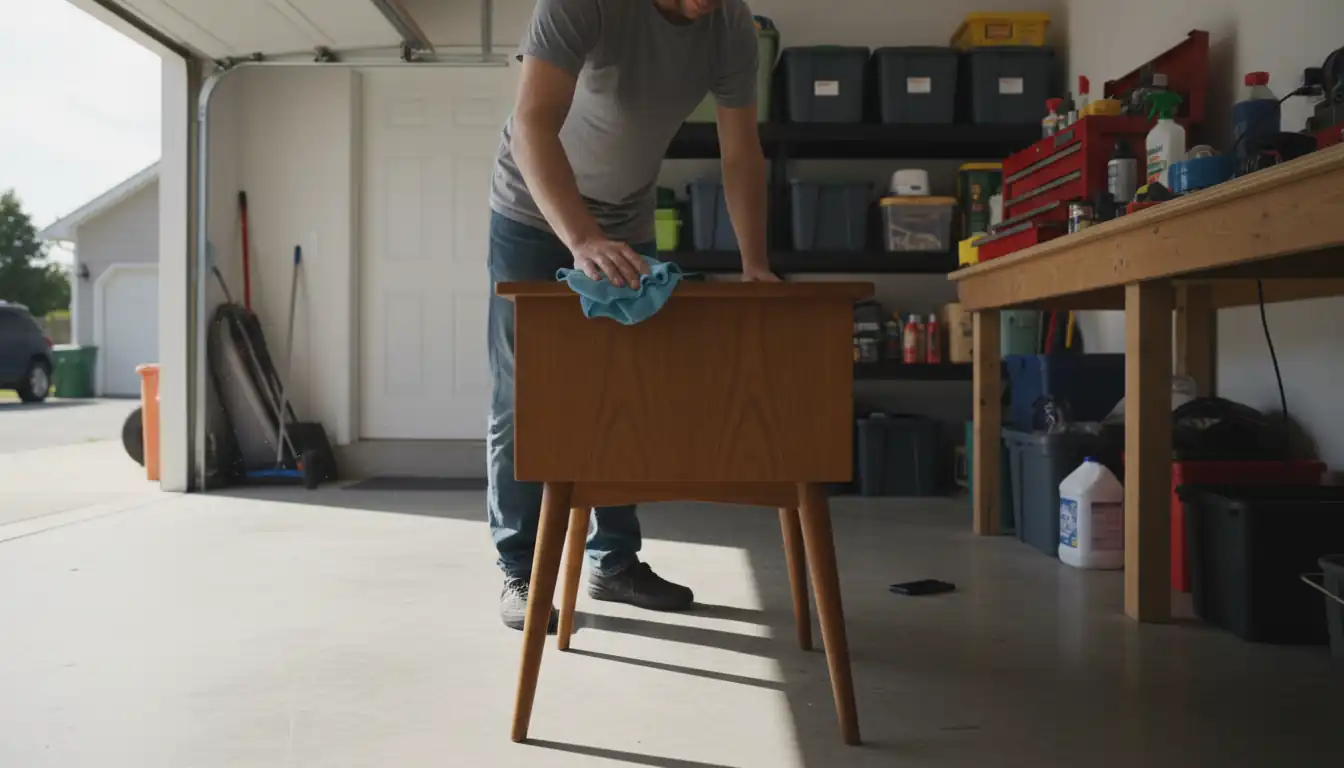
Many people wonder, is flipping on Facebook marketplace profitable? When you look at the sheer volume of "free" or "cheap" listings, the math starts to make sense very quickly. Unlike eBay or Poshmark, where shipping costs and platform fees can eat up 20% to 30% of your gross sales, Facebook Marketplace operates on a local, face-to-face model. This lack of friction is your biggest competitive advantage.
Why Facebook Marketplace Outperforms eBay for Beginners
If you sell a heavy item on eBay, you have to worry about boxing it, weighing it, and praying it doesn't break during its cross-country journey. On Marketplace, the buyer comes to your driveway. This eliminates the "shipping tax" that kills the margins on low-to-mid-priced items.
- Zero Listing Fees: You can list 100 items today and it won't cost you a cent. This allows you to experiment with different price points without any financial risk.
- Instant Liquidity: When a deal is done, you usually have cash or a Venmo transfer in your hand immediately. There is no waiting for a platform to "release" your funds after a 14-day holding period.
- The Trust Factor: Seeing a seller’s profile provides a layer of social proof. You can see if they have mutual friends or a history of positive ratings, which speeds up the decision-making process for buyers.
The "cash on delivery" model also means you aren't dealing with the nightmare of "Item Not As Described" returns three weeks after the sale. Once the buyer inspects the item and hands over the money, the transaction is final. This simplicity is why Marketplace is the ideal entry point for anyone starting with zero capital.
Calculating Your Real Profit Margins After Logistics
To treat this like a business rather than a hobby, you have to look past the "Buy for $10, Sell for $50" logic. Your time and your vehicle's wear and tear are real expenses. If you drive 45 minutes to pick up a chair that only nets you $20, you are essentially working for less than minimum wage once you factor in gas.
| Expense Category | Impact on Profit | How to Minimize |
|---|---|---|
| Fuel & Mileage | High | Group your pickups in the same neighborhood. |
| Cleaning Supplies | Low | Buy bulk vinegar, microfiber cloths, and wood oil. |
| Storage Space | Medium | Focus on high-turnover items that don't sit for weeks. |
| Your Time | Critical | Set a "minimum profit per hour" rule for yourself. |
A successful flip starts with the "buy." If you find an item that requires a two-hour round trip, the profit margin needs to be significantly higher to justify the logistics. Professional flippers often use a "radius rule," only sourcing items within a 10-mile circle unless the potential profit exceeds $100. By tightening your logistics, you ensure that the money in your pocket is actually yours to keep.
Fast Moving Inventory for Quick Cash Flow
If you want to keep your capital moving, you need "velocity" items. These are the utilitarian goods that people don't buy for style or prestige, but because they have a functional need that must be met immediately. These items are the bread and butter of a flipping business because they rarely sit in your garage for more than 48 hours.
Seasonal Demand and the Art of Timing
Timing the market is easier than you think when you follow the weather. People are reactive shoppers. They don't think about a snowblower in July, and they certainly aren't looking for an air conditioner in December. You can use this lack of foresight to your advantage.
- The Summer Surge: Window AC units, lawnmowers, and pressure washers are gold from May to August. People will pay a premium for a working unit when the heatwave hits or the grass is knee-high.
- The Winter Pivot: Snowblowers, space heaters, and heavy-duty floor mats become essential the moment the first frost hits.
- The "Moving Season" Window: Late spring and early fall are peak moving times. This is when people purge high-quality items for low prices just to get them out of the house before the moving truck arrives.
By buying these items "off-season" when demand is low and selling them the moment the weather shifts, you can often double your money without doing any actual repair work. You are simply providing the service of storage and timing.
Everyday Household Essentials That Sell in Hours
Beyond seasonal items, there is a constant demand for "life stage" equipment. Think about the things people need when they have a baby, start a DIY project, or move into their first apartment. These items are standardized, making them easy to price and easy to sell.
- Baby Gear: High-end strollers (like UPPAbaby or Baby Jogger), high chairs, and pack-and-plays are perennial bestsellers. Parents are often looking to save 50% off retail prices, and these items are built to last through multiple children.
- Power Tools: Brands like DeWalt, Milwaukee, and Makita hold their value incredibly well. A contractor who needs a replacement drill today will check Marketplace before driving to a big-box store.
- Kitchen Appliances: Stand mixers, air fryers, and high-end blenders are "wish list" items that people frequently buy, rarely use, and then sell for a fraction of the cost to clear counter space.
The secret to fast cash flow isn't finding the rarest item; it's finding the item that the most people need right now.
When you focus on utilitarian items, you don't have to worry about "finding the right buyer." The buyer is already looking for you. Your job is simply to have the cleanest, best-photographed version of that item at a fair market price.
Identifying Hidden Gems in the Vintage and Antique Market
While power tools and strollers provide steady cash, the "home run" flips are found in the world of antiques and vintage decor. This is where you find the "sleepers"—items listed for $20 that are actually worth $500. To succeed here, you have to develop an eye for quality that the average person lacks.
Spotting Quality Beneath the Dust
Most people see an old wooden table and see "outdated furniture." You need to look for the structural cues that signal high-end craftsmanship. Real value is often hidden under a layer of dust or a bad DIY paint job.
- Construction Cues: Look for dovetail joints in drawers. This is a sign of solid wood construction rather than cheap particle board. Feel the weight; real mahogany or oak is significantly heavier than modern veneers.
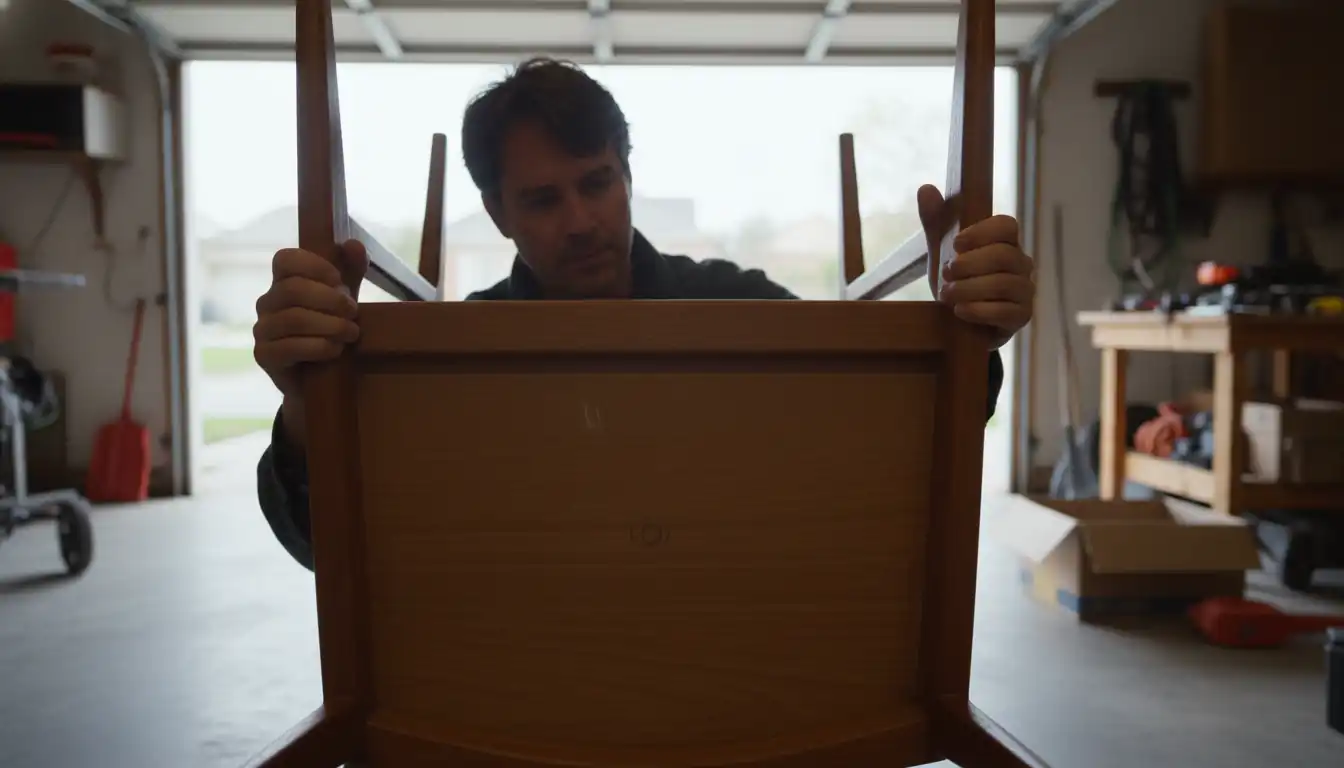
- Maker's Marks: Always check the underside of chairs, the back of dressers, or the bottom of ceramics. A small stamp or a faded paper label can be the difference between a generic department store piece and a designer original.
- Mid-Century Modern (MCM) Appeal: The market for 1950s and 60s furniture remains incredibly strong. Look for tapered legs, "atomic" shapes, and teak or walnut finishes. Even a beat-up MCM chair can be worth a fortune to a collector willing to restore it.
Using AI to Authenticate Rare Finds Instantly
The biggest hurdle in the antique market is the "knowledge gap." You might see a strange-looking vase at a garage sale and wonder if it's a piece of hand-blown art or a mass-produced trinket from a craft store. In the past, you would have to spend years studying auction catalogs to know the difference.
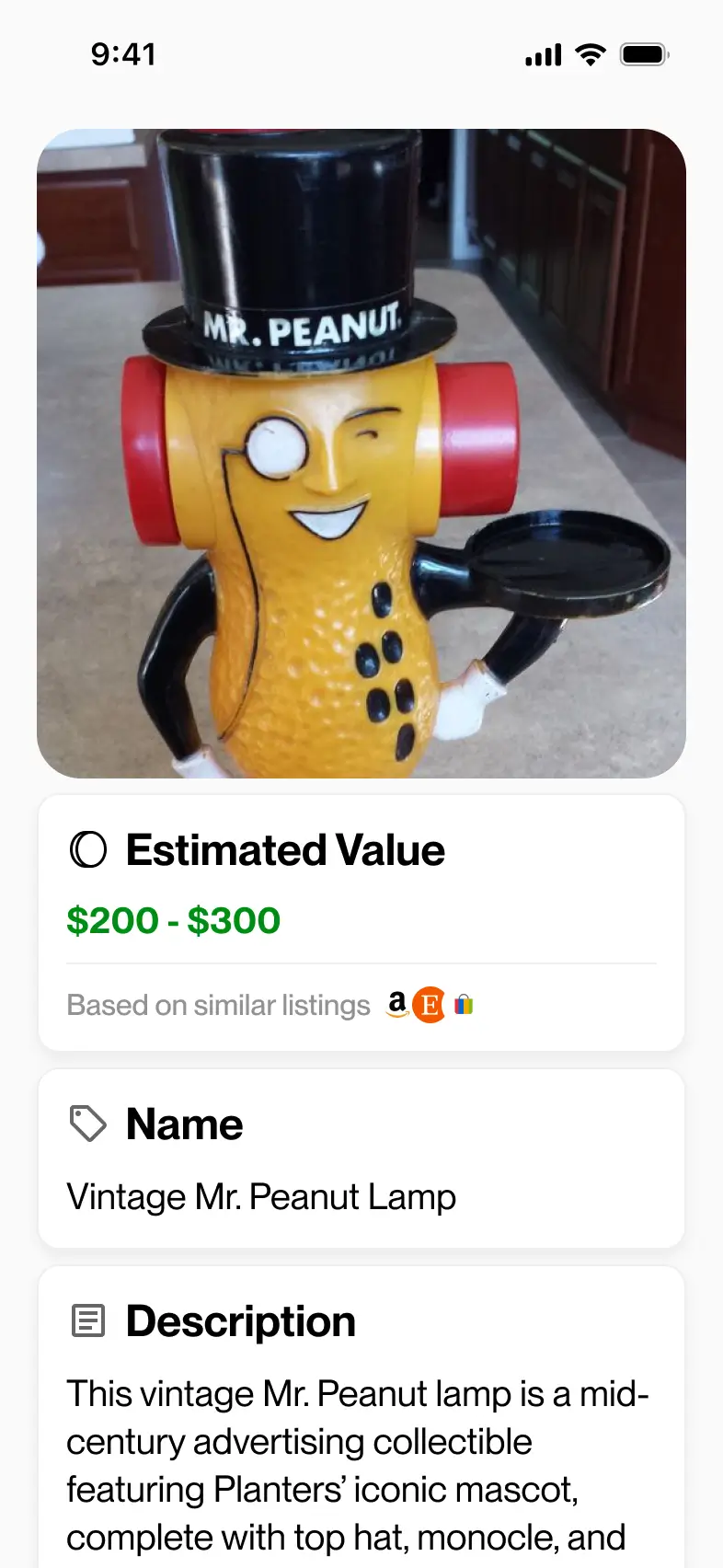
This is where technology levels the playing field. You can use the Relic app to bridge that gap in seconds. When you come across an item that looks "expensive" but lacks a clear brand name, you can simply take a photo or upload an image to the app. Relic uses advanced AI to analyze the item, providing a real appraisal, historical context, and the origin of the piece.
Imagine standing in a stranger's driveway, looking at an old oil painting or a tarnished silver bowl. Instead of guessing, you use Relic to see that the "junk" is actually a documented piece of 19th-century pottery with a market value of $400. This instant access to professional-grade market research allows you to make confident, high-stakes offers while other buyers are still scratching their heads. It turns your phone into a portable expert, ensuring you never leave a "goldmine" behind because you didn't recognize the maker's mark.
Sourcing Secrets Beyond the Free Section
Finding great deals isn't just about being the first person to click "Is this available?" It’s about knowing where to look and how to talk to sellers. Most flippers hover over the "Free" section, but the real money is often found in the listings that everyone else is ignoring.
Mastering the Art of the Lowball and Bundle
Negotiation on Marketplace is a delicate dance. You want a deal, but the seller wants to feel respected. The most effective way to get a lower price is not to insult the item, but to offer a "hassle-free" exit for the seller.
- The Bundle Strategy: If a seller has five items listed, offer to buy all of them for a flat, discounted rate. Sellers hate the "death by a thousand cuts" of meeting five different people for $10 each. Offering $40 for the whole lot is often an easy "yes" for them.
- The "Today Only" Offer: "I can come by in the next hour with cash" is the most powerful sentence in flipping. Many sellers are motivated by speed and convenience over the absolute highest price.
- Finding "Bad" Listings: Look for items with one blurry photo and a title like "Chair." These listings get very little traffic because they don't show up in specific searches. If you can identify a high-quality item through a bad photo, you have zero competition.
Finding Undervalued Estate Sale Listings
Estate sales are the primary source for professional pickers, but you don't always have to stand in line at 6:00 AM. Many estate sale companies post "preview" photos on Facebook Marketplace a few days before the event.
- Analyze the Background: Look at the other items in the room. If you see high-end art on the walls and expensive rugs on the floor, the "old lamp" in the corner is likely a quality piece as well.
- Message Early: Sometimes, a seller is willing to let an item go before the sale officially starts if you offer a fair price and a quick pickup. It never hurts to ask, "Would you consider a pre-sale offer on the mahogany desk?"
- The Sunday Discount: Most estate sales go to 50% off on their final day. This is the time to swoop in and grab the larger furniture items that didn't sell on day one.
By being proactive and looking for the friction in a seller's life, you position yourself as the solution to their problem. You aren't just buying an item; you are buying their "need to have this gone."
Scaling Your Flipping Business from Hobby to Pro
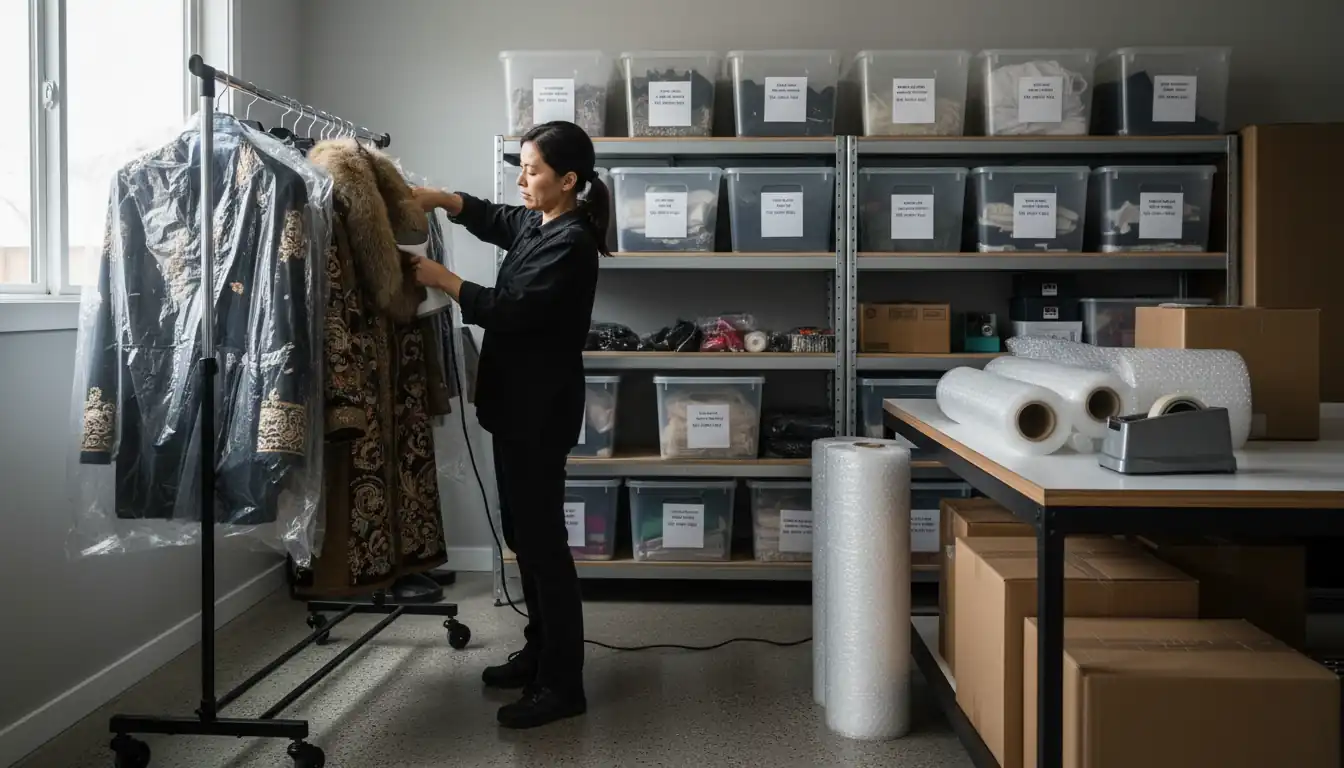
Once you have mastered the art of finding value, the next step is maximizing the return on every item. This is where we answer the question: What is the most profitable item to flip? While antiques have the highest margins, the most profitable item is actually any item that you have professionally presented. Profit is often found in the quality of your listing rather than the item itself.
Photography and Listing Optimization for Maximum Visibility
A "pro" listing looks different than a "hobbyist" listing. You are competing for attention in a crowded feed, and your main image is your only hook.
- Lighting is Everything: Never take photos in a dark garage. Move the item near a window for natural light or take it outside during the "golden hour." Clear, bright photos suggest that the item is clean and well-maintained.
- The "Staged" Look: If you are selling a coffee table, put a book and a small plant on it. This helps the buyer visualize the item in their own home. It moves the purchase from a "utility" buy to an "aspirational" buy.
- SEO-Friendly Descriptions: Facebook’s search algorithm relies on keywords. Don't just write "Table." Write "Mid-Century Modern Teak Coffee Table - Solid Wood - Danish Style." Include dimensions, any flaws (be honest!), and your general location.
| Listing Element | Hobbyist Approach | Professional Approach |
|---|---|---|
| Title | "Old Bike" | "Specialized Rockhopper Mountain Bike - 21 Speed - Ready to Ride" |
| Photos | 1 blurry photo in a dark shed | 5-10 photos from all angles in bright light |
| Description | "Works fine. Pick up only." | Detailed specs, recent maintenance, and "Smoke-free home." |
| Price | Guessed based on gut feeling | Researched based on "Sold" listings and market value |
Building a Reputation and Staying Safe
To scale this into a long-term business, your reputation is your currency. Facebook displays your seller rating prominently. A 5-star rating allows you to charge 10-20% more than a seller with no history because buyers feel safe with you.
- Under-Promise and Over-Deliver: If an item has a small scratch, photograph it and mention it. When the buyer arrives and sees you were honest, they are much more likely to leave a positive review.
- Safety First: Always meet in public, well-lit places for smaller items. Many police stations have "Safe Exchange Zones" specifically for Marketplace transactions. For furniture pickups at your home, try to have the item in the garage or on the porch so buyers don't need to enter your living space.
- Digital Payments: While cash is great, offering Venmo or Zelle makes it easier for buyers who don't carry paper money. Just ensure the funds are "confirmed" in your app before the buyer leaves with the item.
By treating every listing like a professional storefront, you build a brand. Eventually, you will find that people start following your profile, waiting for your next "drop" because they know your items are curated, clean, and accurately described.
Conclusion
Flipping on Facebook Marketplace is one of the few side hustles that requires almost no "buy-in" but offers an unlimited ceiling for growth. You start by noticing the value in everyday items—the strollers, the power tools, and the seasonal gear that keeps your cash flow moving. As your eye for quality develops, you move into the high-margin world of vintage and antiques, using tools like the Relic app to ensure you never miss a hidden gem.
The difference between a "neighbor with a cluttered garage" and a "successful flipper" is simply the willingness to look closer. You now have the framework to identify profit, negotiate like a pro, and present your finds to the world with confidence.
Your next step is simple: Open the Marketplace app right now. Look past the first ten listings of "junk" and find that one item that is undervalued, poorly photographed, or perfectly timed for the season. That is where your new business begins. Happy hunting.
Identify antiques instantly
Point your camera at any antique, collectible, or vintage item. Get valuations, history, and market insights in seconds.
Download for iPhone